
Eric J. Jacobs, PhD, cancer epidemiologist and strategic director of pharmacoepidemiology, American Cancer Society, discusses results from a prospective cohort study examining the association between BMI and pancreatic cancer mortality.
Eric J. Jacobs, PhD, cancer epidemiologist and strategic director of pharmacoepidemiology, American Cancer Society, discusses results from a prospective cohort study examining the association between BMI and pancreatic cancer mortality.
Steven M. Lipkin, MD, PhD, the Gladys and Roland Harriman Professor of Medicine, professor of medicine in the Division of Gastroenterology and Hepatology, and vice chair for research in the Weill Department of Medicine at Weill Cornell Medicine; and a geneticist at NewYork-Presbyterian/Weill Cornell Medical Center, discusses a study of a cancer prevention vaccine in a preclinical model of Lynch syndrome during the 2019 AACR Annual Meeting
Gilteritinib was found to significantly improve overall survival in patients with relapsed/refractory FLT3 mutation–positive acute myeloid leukemia, according to updated findings of the phase III ADMIRAL trial.

The PI3K-delta inhibitor umbralisib was found to demonstrate an overall response rate of 52% and show an encouraging tolerability profile in patients with relapsed/refractory marginal zone lymphoma, according to findings from a cohort of the phase IIb UNITY-NHL trial.
A majority of patients with large triple-negative breast tumors achieved pathologic complete response when treated with the viral oncolytic talimogene laherparepvec plus neoadjuvant chemotherapy.
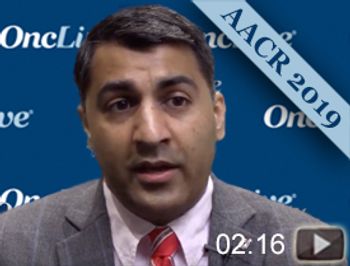
Sameek Roychowdhury, MD, PhD, associate professor of medical oncology, the Ohio State University Comprehensive Cancer Center, discusses a phase II study with infigratinib (BGJ398) in patients with cholangiocarcinoma.

Prasad S. Adusumilli, MD, surgeon, deputy chief of Thoracic Service, co-director of the Mesothelioma Program, head of Solid Tumors Cell Therapy, Cellular Therapeutics Center, at Memorial Sloan Kettering Cancer Center, discussed the results of a phase I study exploring mesothelin-targeted CAR T-cell therapy in patients with advanced solid tumors during the 2019 AACR Annual Meeting.
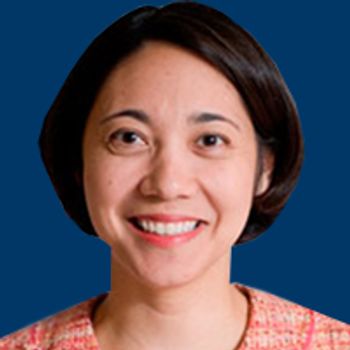
The combination of osimertinib and the MET inhibitor savolitinib demonstrated encouraging clinical activity and an acceptable risk-benefit profile in patients with EGFR-mutant, MET-amplified non–small cell lung cancer who previously received EGFR TKIs.

The immune checkpoint inhibitor combination of nivolumab and ipilimumab induced a greater than 40% response rate and was well tolerated in patients with high-grade neuroendocrine carcinoma.

CAR T cells targeting mesothelin-expressing tumors demonstrated safety and efficacy in a preliminary clinical evaluation in patients with malignant pleural disease.
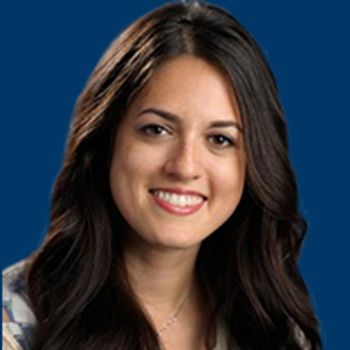
The administration of HER2-directed CAR T-cell therapy and lymphodepletion chemotherapy demonstrated antitumor activity and was found to be safe in pediatric and adult patients with advanced HER2-positive sarcoma.

Pre-existing cardiovascular disease was associated with an increased mortality risk during the first 6 months of abiraterone acetate treatment in patients with advanced prostate cancer.
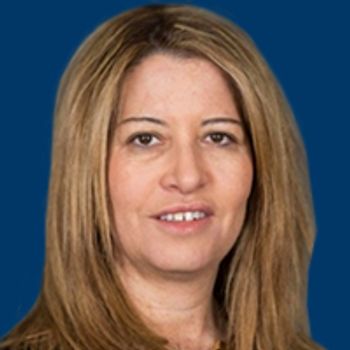
Many younger patients see more than one doctor and face misdiagnoses before being given a diagnosis of colorectal cancer.
A liquid biopsy test detected all of the guideline-recommended biomarkers in newly diagnosed patients with metastatic non–small cell lung cancer at a similar rate but faster turnaround time to that of tissue genotyping.

Select patients with melanoma who consume a diet rich in fiber could see an improved response to treatment with immunotherapy.
Robert Ferris, MD, PhD, vice chair for Clinical Operations, associate director for Translational Research, and co-leader of the Cancer Immunology Program at the University of Pittsburgh Cancer Institute, discusses the updated findings from the CheckMate-141 trial in head and neck cancer.

Komal L. Jhaveri, MD, FACP, medical oncologist, Memorial Sloan Kettering Cancer Center, discusses the results of a basket study of taselisib in patients with PIK3CA-mutated solid tumors.

A search for molecular guidance in the use of anti-PD-1 therapy in urothelial cancer pointed toward myeloid-derived suppressor cells as a potentially useful biomarker.
Tumor mutational burden in non–small cell lung cancer identified patients who were more likely to respond to first-line combination immunotherapy with nivolumab and ipilimumab, an updated analysis of CheckMate-586 clinical trial data showed.
Alice T. Shaw, MD, PhD, associate professor of medicine, Harvard Medical School, attending physician, Thoracic Cancer Program, Massachusetts General Hospital, discusses the efficacy of lorlatinib in ALK-positive non–small cell lung cancer.
Alexander M. M. Eggermont, MD, PhD, director general of Gustave Roussy Cancer Campus Grand Paris in Villejuif, France, discusses the impact of adjuvant anti–PD-L1 agents on the treatment landscape of melanoma.
Treatment with nivolumab reduced the risk of death by 32% compared with investigator’s choice of therapy for patients with metastatic or recurrent squamous cell carcinoma of the head and neck.
Combination use of CMP-001, an intratumoral toll-like receptor 9 agonist, and pembrolizumab (Keytruda) showed clinical activity in reversing PD-1 checkpoint inhibition resistance in patients with metastatic melanoma.
Adding atezolizumab to chemotherapy and an angiogenesis inhibitor led to significant improvement in progression-free survival for patients with untreated advanced nonsquamous non-small cell lung cancer.
Adding the IDO1 inhibitor epacadostat to the PD-L1 inhibitor durvalumab (Imfinzi) failed to induce any clinical responses in patients with pancreatic cancer.

Padmanee Sharma, MD, PhD, scientific director, Immunotherapy Platform, The University of Texas MD Anderson Cancer Center, discusses updated findings from the CheckMate-275 trial in bladder cancer during an interview at the 2018 AACR Annual Meeting.

Arjun V. Balar, MD, assistant professor, Department of Medicine, director, Genitourinary Medical Oncology Program, NYU Langone’s Perlmutter Cancer Center, discusses the results of a study investigating durvalumab (Imfinzi) plus tremelimumab in patients with metastatic urothelial cancer.

The combination of nivolumab and ipilimumab more than tripled the 1-year progression-free survival rate versus chemotherapy for treatment-naïve patients with non–small cell lung cancer with high tumor mutation burden.

Neoadjuvant treatment with nivolumab demonstrated a 45% major pathologic response rate in patients with resectable stage I to III non–small cell lung cancer irrespective of PD-L1 expression.

An off-the-shelf, dual-targeted chimeric antigen receptor T-cell approach yielded positive results in preclinical specificity, functionality, and efficacy studies.