
Susan Galbraith, MD, PhD, head, Oncology Innovative Medicine, AstraZeneca, discusses updated data from the ongoing phase I/II AURA study looking at AZD9291 for NSCLC.
Susan Galbraith, MD, PhD, head, Oncology Innovative Medicine, AstraZeneca, discusses updated data from the ongoing phase I/II AURA study looking at AZD9291 for NSCLC.

Dual HER2 blockade with pertuzumab and trastuzumab plus chemotherapy for the treatment of HER2-positive metastatic breast cancer improved median OS by almost 16 months over standard first-line therapy.
Sandra M. Swain, MD, discusses final overall survival analysis from the CLEOPATRA study of first-line pertuzumab, trastuzumab, and docetaxel for the treatment of patients with HER2-positive metastatic breast cancer.

Cediranib improved response rate and median PFS when added to conventional chemotherapy in a phase II study of patients with relapsed or metastatic cervical cancer.

Almost 60% of patients with advanced non–small cell lung cancer experienced tumor shrinkage when treated with the PD-L1 inhibitor pembrolizumab.

Vintafolide in combination with docetaxel showed improvements in PFS and OS compared with single-agent docetaxel as second-line treatment of patients with folate receptor–positive NSCLC.
Harriet Kluger, MD, associate professor of medicine, Yale Cancer Center, discusses the results from a phase I trial of nivolumab and ipilimumab for the treatment of patients with advanced melanoma.

Patients with advanced lung cancer had improved appetite, less weight loss, and a significant increase in lean body mass when treated with the ghrelin agonist anamorelin.

Afatinib delayed disease progression for approximately one month longer than chemotherapy and helped prevent painful symptoms from worsening for patients with relapsed or metastatic head and neck squamous cell carcinoma.

Dovitinib, an investigational oral tyrosine kinase inhibitor (TKI), demonstrated a "manageable" safety profile while controlling disease in about half of patients with advanced gastrointestinal stromal tumor (GIST) who had discontinued treatment with imatinib due to disease progression or intolerance
Peter Emtage, discusses a phase I open-label study evaluating the safety and tolerability of MEDI4736 in combination with tremelimumab for the treatment of patients with advanced non-small cell lung cancer.
Daniel P. Petrylak, MD, Professor of Medicine (Medical Oncology) and of Urology, Professor and Co-Director, Signal Transduction Research Program, Yale Cancer Center, discusses results from the phase II STRIDE study.

Treatment with the combination of bevacizumab and chemotherapy improved PFS and OS in women with HER2-negative metastatic breast cancer.
High pretreatment levels of serum VEGF-A and TGF-β1 indicated significantly worse disease-free survival (DFS) following neoadjuvant chemoradiotherapy in patients with esophageal squamous cell carcinoma.

Timing of metastatic development, lymph node involvement, and type of disease all factor into the overall survival rate of patients with stage IV NSCLC.
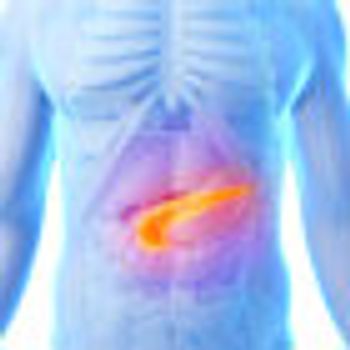
The combination of chemotherapy and stereotactic ablative radiotherapy (SABR) may allow patients with locally advanced pancreatic cancer to undergo surgery, a procedure that might not have otherwise been an option

With the use of MRI imaging to restrict doses to erectile tissues, nearly half of men treated with external beam radiation therapy (EBRT) for prostate cancer were able to be sexually active without aids or medications 5 years later, and nearly 80% could be sexually active if such support was an option

When given along with radiation therapy to men with high-risk prostate cancer, 18 months of androgen-deprivation therapy (ADT)-as opposed to a 36-month course-not only generates similar long-term outcomes, but results in a better quality of life

Radiotherapy is equally as effective in the palliation of dysphagia (difficulty swallowing) as chemoradiotherapy for patients with advanced esophageal cancer
Despite a recent decline in utilization, consolidated radiation therapy has been shown to improve 10-year survival rates for patients with stage I/II Hodgkin's lymphoma following treatment with chemotherapy

The combination of letrozole with either the CDK4/6 inhibitor LEE011 or the PI3 kinase Inhibitor BYL719 demonstrated clinical activity for women with ER-positive, HER2-negative breast cancer.

Julie R. Gralow, MD, discusses the use of bisphosphonates in early-stage breast cancer.

Elisa K. Chan, MD, discusses improving mammography screening rates with signed letters from physicians. Chan worked for the BC Cancer Agency during the study.

The addition of trastuzumab to fulvestrant prolonged responses compared with fulvestrant alone for certain patients with metastatic breast cancer.
A novel HER2-derived peptide vaccine designed to stimulate CD8+ cytotoxic T-lymphocytes reduced the rate of breast cancer recurrence and proved safe and well tolerated in the adjuvant setting.

The PARP inhibitor veliparib exhibits antitumor activity and is safe and tolerable on a continuous dosing schedule when used for the treatment of patients with BRCA-positive and BRCA-wild type tumors.
Long-term follow-up of a phase III clinical trial shows strong trends toward a greater likelihood of resuming menses and becoming pregnant when a luteinizing hormone-releasing hormone (LH-RH) analog is administered with chemotherapy in patients with breast cancer
Breast conserving therapy (BCT) improves overall survival compared with other local treatments in patients with stage I breast cancer, according to an examination of the National Cancer Database (NCDB).
Mark Sisco, MD, Clinical Assistant Professor, Division of Plastic and Reconstructive Surgery, NorthShore Univeristy HealthSystem, discusses the results of a NSQIP analysis of 30-day complications after bilateral versus unilateral mastectomy with immediate reconstruction

Sunil Verma, MD, MSEd, FRCPC, associate professor, University of Toronto, chair, Breast Medical Oncology, Sunnybrook Odette Cancer Centre, discusses targeting HER2 in early-stage breast cancer.