scout

Tony Hagen

Articles by Tony Hagen

Lalan S. Wilfong, MD

The use of oncology biosimilars has expanded rapidly in the United States during the past 2 years as providers embraced a growing armamentarium of new products, according to findings from real-world data reported at the 2021 American Society of Clinical Oncology Annual Meeting.

Ted Okon, MBA

Although the United States is behind Europe in terms of biosimilars approved and launched, the FDA is adding more approvals each year—29 since 2014—and 73 additional biosimilar candidates are in clinical trials and/or under FDA review.

E. Randolph “Randy” Broun, MD

Providers and health care institutions want more real-world data on how patients respond to various biosimilar products, according to a varied panel of private practice, academic hospital, and group purchasing organization experts in a discussion at the Community Oncology Alliance virtual 2021 Community Oncology Conference in April.

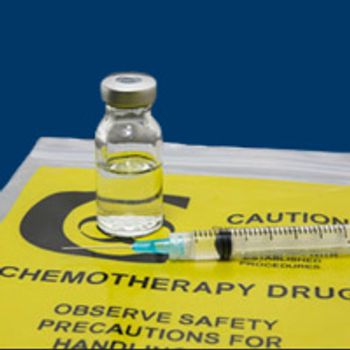
The United States Pharmacopeial Convention (USP) General Chapter is a good start for improving the protection of healthcare workers exposed to hazardous drugs, but more studies and safety protocols are needed, according to an American Society of Clinical Oncology (ASCO) expert panel that evaluated USP and various other guidelines in a report last year.

Based on efficacy, tolerability, and practicality, neoadjuvant therapy in lung cancer offers significant advantages over adjuvant treatment, said Jamie E. Chaft, MD, in a presentation during the 14th Annual New York Lung Cancers Symposium®. However, she added, adjuvant treatment predominantly remains the standard of care at many cancer centers, she said.

A 2018 Giants of Cancer Care award for Community Outreach, Education, and Cancer Policy, Richard L. Schilsky, MD, built a scaffolding upon which new trials were launched into emerging areas of oncology investigation. His work has led to new standards in cancer care, particularly in breast cancer, and along the way he has furthered the careers of many successful and talented oncologists and investigators.

A consortium of cancer care institutions released details on a prototype system designed to link electronic health record systems to provide a source of real-world patient information to guide research and improve cancer treatment.

Therapy for patients with multiple myeloma encompasses many agents and potential combinations, but truly personalizing care will require knowing how those agents interact for maximum efficacy and incorporating patient preferences for toxicity into the care plan.

Real-world data on the use of chimeric antigen receptor T-cell therapy in large B-cell lymphoma bear out the pivotal results from ZUMA-1 and demonstrate not only that the treatment approach is here, but also that it’s time to address issues of efficacy, safety, cost, and moving this approach into earlier lines of therapy.

Latest Updated Articles