
The treatment armamentarium for adjuvant melanoma has expanded rapidly, which has left the treatment challenge of selecting between immunotherapy and targeted therapy without any head-to-head comparative data.
The treatment armamentarium for adjuvant melanoma has expanded rapidly, which has left the treatment challenge of selecting between immunotherapy and targeted therapy without any head-to-head comparative data.
The median overall survival for patients with chronic lymphocytic leukemia has more than tripled since the 1970s, primarily due to an ever-expanding armamentarium of novel agents and earlier diagnosis.
Steven M. Ansell, MD, PhD, discusses the efficacy of PD-L1 blockade in Hodgkin lymphoma, patient treatment that has encouraged him to look for deeper solutions, alternative drug combinations that appear to be making headway, and potential avenues of discovery for the future.

United States’ versus European perspectives on bleomycin in chemotherapy combinations for advanced Hodgkin lymphoma, along with the value of interim positron emission tomography, were discussed at the 2018 Pan Pacific Lymphoma Conference.
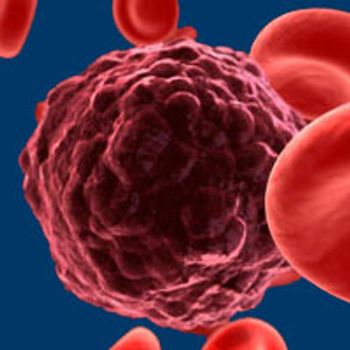
A retrospective study of patients with Hodgkin lymphoma found high rates of sequelae including pulmonary events and cardiovascular disease following frontline treatment with chemotherapy including bleomycin.

Steven M. Horwitz, MD, discusses the best strategy for the treatment of CD30-positive peripheral T-cell lymphomas.

Combinations of novel drugs in lymphomas have the potential to overcome resistance to therapy but come with sometimes unexpected adverse events that demand careful monitoring.

An effective lymphodepletion strategy is critical to success with chimeric antigen receptor T-cell therapy, but also the choice of patients and even the cells used for CAR T cell manufacturing should be made with care.

In a groundbreaking study of costs and quality of cancer care among cancer clinics in the state of Washington, investigators found wide disparity in end-of-life care, suggesting that improvements in cost and quality could be attained if treatment centers share information on what works and endeavor to improve.

The Centers for Medicare & Medicaid Services has proposed a slate of changes that would reduce payment for some forms of patient evaluation and management and reduce the payment margin over wholesale acquisition cost for Medicare Part B drugs.

CMS has proposed a different way to handle payment for chimeric antigen receptor T-cell therapy, one that the medical and manufacturing community thinks is unworkable.

A course of low-dose maintenance chemotherapy administered after standard-of-care intensive chemotherapy led to significant improvements in disease-free and overall survival in pediatric rhabdomyosarcoma.

Initial results from the Circulating Cell-Free Genome Atlas study strongly suggest that cell-free DNA tests can be used with a high degree of specificity to detect signs of early stage lung cancer.

A study that compared costs of treatment for metastatic colorectal cancer in Western Washington and the province of British Columbia in Canada found that prices were more than twice as high for the US patients than for their Canadian counterparts, with no significant difference in outcomes.
CMS's initial payment codes for CAR T-cell therapies are opposed by the medical community on the basis that they would be cumbersome to implement and wouldn't reflect the full amount of care delivered to each patient.

Experts across the medical spectrum weigh in on requesting prior authorization, and how that process effects the treatment of cancer.

Since 2008, 423 individual cancer treatment sites have closed and another 658 community cancer centers were acquired by or became affiliated with hospitals.

A phase Ib study of necitumumab in combination with abemaciclib failed to meaningfully improve outcomes in patients with stage IV non–small cell lung cancer.

In findings consistent with earlier results on efficacy and adverse events reported for the phase III ALEX trial, investigators announced superior patient-reported outcomes for the next-generation tyrosine kinase inhibitor alectinib versus the standard of care TKI inhibitor crizotinib in ALK-positive non–small cell lung cancer.

Anti PD-L1 immunotherapy with atezolizumab (Tecentriq) was strongly superior to docetaxel in locally advanced or metastatic non–small cell lung cancer, according to 3-year survival findings from the phase II POPLAR study.

When investigators looked at roughly 150,000 cases of well-differentiated thyroid cancer using the SEER database of the National Cancer Institute, they knew that the use of radioactive iodine in conjunction with surgery and other treatments for thyroid cancer had increased dramatically over the years.

The shortage of doctors and other professionals to fill available positions in oncology practice is not news to practitioners—the American Society of Clinical Oncology has long chronicled the growing need for young oncologists to fill the ranks as senior ones retire or leave due to burnout.

Endocrine therapy can achieve tumor reduction for patients with ER-positive breast cancer, possibly avoiding the need for chemotherapy or even surgery in some patients; however, deciding how long to continue this therapy can be tricky.
The latest revision of the staging manual for breast cancer from the American Joint Committee on Cancer is a quantum leap toward precision oncology, as it codifies advanced knowledge of the role of biologic factors in cancer, and oncologists should now be using it.

Palbociclib (Ibrance) demonstrated significant efficacy in combination with letrozole (Femara) in the frontline setting of estrogen receptor-positive, HER2-negative, postmenopausal metastatic breast cancer.

Investigators looking for a superior means of testing for response to therapy in metastatic castration-resistant prostate cancer said they found the solution in a study of circulating tumor cells.

A recent study of oncologists’ use of next-generation sequencing to test for actionable genetic mutations reveals a stark gap between the appropriateness and the actual utilization of these tests.

The addition of docetaxel (Taxotere) to frontline long-term hormone therapy for advanced prostate cancer improved quality of life and reduced the need for subsequent therapy, contributing to lower overall costs in the nonmetastatic setting.
Physicians are carefully evaluating potential partnership and referral deals to ensure that whatever they do is perceived as aligned with delivering better, more efficient care.

Congressional "right-to-try" legislation could make investigational drugs available to desperately ill patients sooner in the trials process, but there are substantial risks.