

First-line tiragolumab plus atezolizumab did not improve PFS and OS vs atezolizumab alone in PD-L1–high, unresectable or metastatic NSCLC.
First-line tiragolumab plus atezolizumab did not improve PFS and OS vs atezolizumab alone in PD-L1–high, unresectable or metastatic NSCLC.

Bria-IMT plus checkpoint inhibition showed a manageable safety profile and activity in metastatic breast cancer.
The majority of patients with prostate cancer treated with an enzalutamide or leuprolide acetate regimen recovered their testosterone levels.
Quoc-Dien Trinh, MD, MBA, discusses outcomes for darolutamide plus ADT in Black patients with metastatic hormone-sensitive prostate cancer.
Alireza Ghoreifi, MD, discusses the feasibility of consolidative surgery for advanced urothelial cancer receiving pembrolizumab/enfortumab vedotin.
Treatment with 6.5 mg/kg of tegavivint was associated with primarily grade 1/2 TRAEs in patients with advanced hepatocellular carcinoma.

Patients with mCRPC enrolled in the phase 3 TALAPRO-2 trial harboring TMPRSS2-ERG fusions in ctDNA had a distinct tumor molecular profile vs those without.
Zongertinib provided clinical benefit in previously treated advanced non–small cell lung cancer harboring HER2 mutations.

Talazoparib plus enzalutamide improved rPFS vs placebo plus enzalutamide in patients with mCRPC with or without AR alterations.

Olaparib plus pembrolizumab was safe and effective in HRR gene–mutated and/or HRD-positive advanced tumors.

Penpulimab plus chemotherapy improved progression-free survival in recurrent or metastatic nasopharyngeal carcinoma.
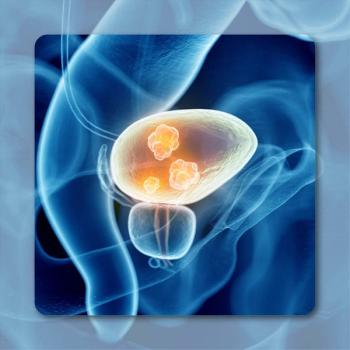
Interim data from a phase 2 study support the potential of TARA-002 as an intravesical immunotherapy in high-risk NMIBC.
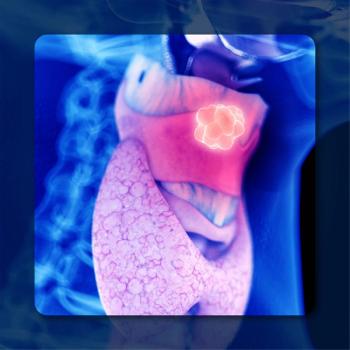
Perioperative pembrolizumab with postoperative radiation with or without cisplatin showed durable EFS in resectable, locally advanced HNSCC.

Zoldonrasib demonstrates early promise in patients with KRAS G12D–mutated non–small cell lung cancer.
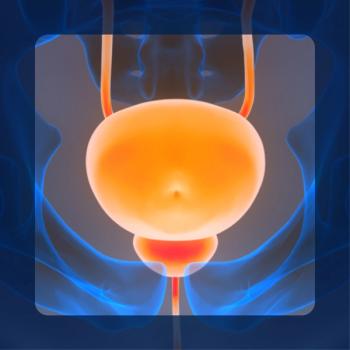
Neoadjuvant mitomycin C improved 18-month recurrence-free survival and demonstrated favorable safety in non–muscle-invasive bladder cancer.
Joseph Jacob, MD, MCR, discusses how emerging data for TAR-200 could represent a shift in the treatment paradigm for patients with high-risk non–muscle-invasive bladder cancer.
Colin P.N. Dinney, MD, discusses urinary genomic disease burden as a potential biomarker for response to cretostimogene grenadenorepvec in bladder cancer.
The addition of disitamab vedotin to BCG demonstrated high CR rates in HER2-expressing, high-risk NMIBC.
Nogapendekin alfa inbakicept demonstrated sustained CR rates in patients with high-risk BCG-unresponsive NMIBC.
UGN-102 elicits robust responses with acceptable tolerability in recurrent low-grade intermediate-risk non–muscle-invasive bladder cancer.

No complete or partial pathologic responses were achieved with neoadjuvant niraparib in patients with DDR-deficient prostate cancer following surgery.
Enfortumab vedotin plus pembrolizumab followed by surgery led to high CR rates in advanced urothelial cancer.
TAR-200 showed promising results in treating patients with BCG-unresponsive, high-risk NMIBC, achieving an 82.4% complete response rate.
Cretostimogene grenadenorepvec generated complete responses in patients with high-risk BCG-unresponsive NMIBC and CIS with or without Ta/T1 tumors.
TAR-200 produced durable disease-free survival in BCG-unresponsive, papillary-only, high-risk non–muscle-invasive bladder cancer.

Sasanlimab plus BCG significantly improved EFS vs BCG alone in high-risk non–muscle-invasive bladder cancer.
Twelve-month RFS was associated with MRD status in patients with BCG-unresponsive, NMIBC who received treatment with cretostimogene grenadenorepvec.
Continued evaluation of UGN-301 in patients with recurrent NMIBC is warranted.
Experts highlight the top presentations to watch for at the 2025 AUA Annual Meeting.

Panelists discuss how the preliminary results from the IMMagine-1 trial (ASH 2024, abstract #1031) on anitocabtagene autoleucel highlight the evolving role of bispecifics and chimeric antigen receptor (CAR) T-cell therapies in the treatment landscape for relapsed/refractory multiple myeloma (R/R MM).