
The FDA has granted a fast track designation to the T-cell therapy BST02 for the treatment of patients with all forms of liver cancer.

Your AI-Trained Oncology Knowledge Connection!
The FDA has granted a fast track designation to the T-cell therapy BST02 for the treatment of patients with all forms of liver cancer.

Expert oncologists in the field of breast cancer review data in HER2-positive early-stage and metastatic breast cancer.

Kohei Shitara, MD, discusses 4-year survival data of chemotherapy plus nivolumab in advanced gastric/GEJ cancer or esophageal adenocarcinoma.

Selinexor is under investigation as monotherapy and in combination with the JAK inhibitor ruxolitinib in patients with JAK inhibitor–naive myelofibrosis.
An acceptable safety profile and early evidence of clinical activity was observed with ziftomenib plus standard regimens in select patients with AML.
Benjamin Garmezy, MD, provides an overview of recent data on immuno-oncology/TKI combination data in variant renal cell carcinoma.
Rona Yaeger, MD, discusses a study of second-line sotorasib plus panitumumab in patients with KRAS G12C–mutated colorectal cancer.
A sBLA seeking the approval of D-VRd for transplant-eligible patients with newly diagnosed multiple myeloma was submitted to the FDA.

Maurie Markman, MD, discusses the need for a decision support strategy to assist oncologists in treatment selection for patients with actionable mutations.
The FDA granted priority review to a sNDA seeking the approval of alectinib as adjuvant treatment after surgery for early-stage ALK-positive NSCLC.

Liso-cel sBLAs for indications in relapsed/refractory FL and MCL after exposure to a BTK inhibitor have received priority review from the FDA.

Gabriela Hobbs, MD, discusses the significance of key research across myeloproliferative neoplasms from the 2023 ASH Annual Meeting.

The type II variation application for enfortumab vedotin plus pembrolizumab in untreated metastatic urothelial cancer has been validated by the EMA.

Talha Badar, MBBS, MD, discusses the FDA approval of ivosidenib for patients with myelodysplastic syndrome and the future management of this disease.

Functional imaging information from 18F-FDG PET can complement data from anatomic imaging studies from CT and MRI to predict response to ICI therapy.
Press Release
The study, published in Briefings in Bioinformatics, highlights how artificial intelligence can be designed to develop better immunotherapy treatments.
Ranee Mehra, MD, and colleagues detail treatment updates across lung cancer subtypes, including navigating the array of available ALK inhibitors in NSCLC.

Momelotinib gets market authorization from the European Commission for patients with MPNs and disease-related splenomegaly or moderate to severe anemia.

CD19 CAR T cell therapy plus acalabrutinib demonstrated early efficacy in patients with relapsed/refractory mantle cell lymphoma.

The innovative “fragmentomics” approach could one day allow doctors to identify cancer in patients sooner than possible today using smaller blood draws.
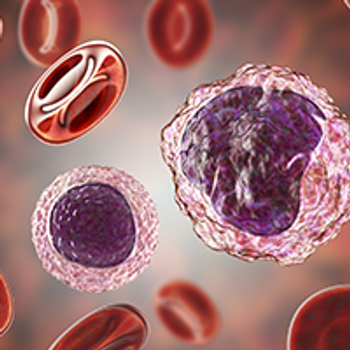
VDA-1102 led to an objective response rate of 56% in patients with mycosis fungoides, according to findings from an interim analysis of a phase 2a study.
The FDA has granted priority review to trastuzumab deruxtecan for patients with unresectable or metastatic HER2-positive advanced solid tumors.

The Herbert Irving Comprehensive Cancer Center has developed processes to actively screen any patient with a relevant mutation for an open trial.

Kiara Ellis, MSW, details community outreach and engagement conversations centered around key matters affecting NCI-designated cancer centers.

Real-world recurrence and prognosis was determined through the identification of morphologic RCC types and tumor stages.

Subcutaneous nivolumab coformulated with rHuPH20 demonstrated noninferiority of PK exposures vs intravenous nivolumab in metastatic ccRCC.
Adjuvant nivolumab monotherapy did not yield a disease-free survival benefit vs placebo in patients with localized renal cell carcinoma.
Treatment with adjuvant pembrolizumab significantly improved overall survival vs placebo in patients with clear cell renal cell carcinoma.

Frontline pembrolizumab plus lenvatinib continues to show benefit vs historical controls in advanced non–clear cell renal cell carcinoma.
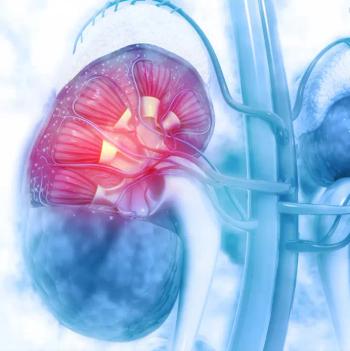
Lenvatinib/pembrolizumab shows a trend of improved PFS and overall response rate vs standard immunotherapies in advanced renal cell carcinoma.