

The European Commission has granted a conditional marketing authorization to pralsetinib for use as a single agent in adult patient with RET fusion–positive advanced non–small cell lung cancer who did not previously receive a RET inhibitor.

Your AI-Trained Oncology Knowledge Connection!
The European Commission has granted a conditional marketing authorization to pralsetinib for use as a single agent in adult patient with RET fusion–positive advanced non–small cell lung cancer who did not previously receive a RET inhibitor.
Patients with lymphoid malignancies, especially those who have received recent anti-CD20 antibody therapy, have reduced humoral responses to the mRNA COVID-19 vaccines, and as such, should continue to take precautionary measures against COVID-19 infection irrespective of vaccination status.
The addition of quizartinib to chemotherapy resulted in a statistically significant and clinically meaningful improvement in overall survival vs standard chemotherapy alone in patients with newly diagnosed, FLT3-ITD–positive acute myeloid leukemia.

The trial is the first in the world offering this City of Hope-developed investigational therapy to patients with the hope of one day improving survival for people with triple-negative breast cancer.
Diane Reidy-Lagunes, MD, unpacked recent updates in neuroendocrine tumors.
Corey S. Cutler, MD, MPH, FRCPC, discusses the diagnostic and treatment landscape of chronic graft-vs-host disease.

Molecular markers, risk, and response are being used to better tailor escalated and de-escalated treatment approaches for women with breast cancer.
Although mortality rates in patients with hematologic cancers who develop breakthrough COVID-19 cases after vaccination are high, there has been a significant decrease in incidence since vaccines have become available.
Sarah Sammons, MD, discusses key advances made across the spectrum of breast cancer, including HER2-positive, hormone receptor–positive, and triple-negative disease, as well as key data that have reshaped these paradigms.

Chimeric antigen receptor T-cell therapies are rapidly shifting the treatment paradigm for a multitude of hematologic malignancies.
Tampa General Hospital, the Florida Cancer Specialists & Research Institute, Proton Therapy Partners, and Florida Urology Partners announced a new collaborative partnership with plans to build a proton therapy center in Tampa Bay.
R. Lor Randall, MD, FACS, the 10-year results of a retrospective analysis, potential strategies to mitigate early failures in recipients of compressive osseointegrative endoprosthetic devices, and the need for communication between medical oncologists and orthopedic surgeons to ensure patients on chemotherapy receive optimal care.
A personalized treatment paradigm based on hypoxia imaging is promising and may yield a successful, personalized de-escalation strategy for patients with HPV-associated oropharynx cancer.
The FDA has approved pembrolizumab for the adjuvant treatment of patients with renal cell carcinoma who are at intermediate-high or high risk of recurrence following nephrectomy, or following nephrectomy and resection of metastatic lesions.

The addition of a short-term, flat dose of bevacizumab to pembrolizumab was found to enhance the response to anti–PD-1 therapy in the absence of chemotherapy for patients with platinum-resistant epithelial ovarian cancer.

Sacituzumab govitecan-hziy significantly improved overall response rate in Chinese patients with metastatic triple-negative breast cancer.
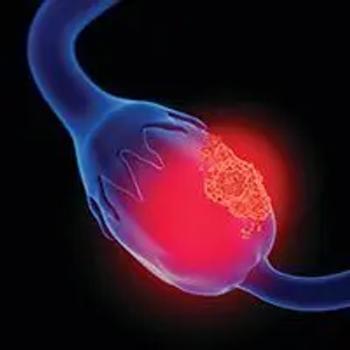
The combination of the PD-1/VEGF bispecific antibody AK112 and the PARP inhibitor olaparib is under investigation as a potential treatment option for patients with BRCA1/2 germline wild-type, platinum-sensitive, recurrent ovarian cancer as part of a phase 1b/2 trial.
Edgardo Santos, MD, discusses the current state of targeted therapies for EGFR- and ALK-positive non–small cell lung cancer, as well as immunotherapy in stage III NSCLC, and management strategies in small cell lung cancer.

American Oncology Network, LLC, a high-growth medical oncology provider with a focus on supporting the long-term viability of oncology treatment in community-based settings, announced that John Misitis has joined as Vice President of Business Development.

The investigative agent SL-172154 was found to be well tolerated, with no dose-limiting toxicities observed, in patients with platinum-resistant ovarian cancer, according to findings from a phase 1 dose-escalation trial presented during the 2021 SITC Annual Meeting.
For patients with advanced clear cell renal cell carcinoma, it will be of utmost importance to recognize the variation in response and type of progression with first-line therapy, the patient’s characteristics and motivations, and the promise of new agents and combinations.
Although community oncologists and hematologists were concerned about loss of income during the COVID-19 pandemic, the loss of in-person patient interaction was cited as the key factor impacting their professional satisfaction.

The American Association for Cancer Research issued a statement today congratulating Robert Califf, MD, on his nomination to be the next FDA commissioner. The association “strongly supports” his return to the agency.

The FDA granted an orphan drug designation to toripalimab for the treatment of patients with esophageal cancer.
Surufatinib demonstrated a comparable health-related quality of life with placebo in patients with advanced neuroendocrine tumors.

The Cancer Cell Map Initiative, developed by investigators at the University of California San Francisco and the University of California San Diego, has successfully charted how hundreds of genetic mutations involved in breast cancer and cancers of the head and neck affect the activity of proteins that ultimately lead to disease.
Luis E. Raez, MD, FACP, FCCP, discusses frontline immunotherapeutic options in NSCLC, management strategies for patients with stage III disease, targeted approaches for patients with EGFR- and ALK-positive NSCLC, and how the field of SCLC is navigating newly available therapies.
Florida Cancer Specialists & Research Institute opened its new state-of-the-art Trinity Cancer Center, providing the most advanced and personalized treatments and services for patients with all forms of cancers and blood disorders.
Investigators aim to expand the treatment portfolio with the phase 3 TROPION-LUNG01 trial, which is designed to examine datopotamab deruxtecan vs docetaxel in patients with advanced or metastatic NSCLC without actionable genomic alterations who have previously received platinum-based chemotherapy and immunotherapy.
Concurrent treatment with ibrutinib in patients with relapsed/refractory chronic lymphocytic leukemia who were receiving lisocabtagene maraleucel led to measurable effects in both CAR+ and endogenous T cells, both of which were linked with improved efficacy.