

Nivolumab alone or in combination with ipilimumab produced encouraging responses that were maintained over time in patients with recurrent or metastatic cervical cancer.
Nivolumab alone or in combination with ipilimumab produced encouraging responses that were maintained over time in patients with recurrent or metastatic cervical cancer.

The FDA has granted a fast track designation to batiraxcept for the treatment of patients with advanced or metastatic clear cell renal cell carcinoma who have progressed after 1 or 2 prior lines of systemic therapy that include both immuno-oncology–based and VEGF TKI–based therapies, either in combination or sequentially.

The combination of NT-I7 and pembrolizumab showed significant clinical activity in checkpoint inhibitor–naïve, relapsed/refractory microsatellite stable colorectal cancer and pancreatic cancer without liver metastasis.
The FDA has granted CB-010 a regenerative medicine advanced therapy designation for relapsed/refractory large B-cell lymphoma and a fast track designation for relapsed/refractory B-cell non-Hodgkin lymphoma.

The combination of cabozantinib and atezolizumab generated rapid and durable responses in patients with advanced head and neck squamous cell carcinoma who received prior treatment with platinum-based chemotherapy.
The combination of the p38 MAPK inhibitor ARRY-614 plus nivolumab with or without ipilimumab was well tolerated and elicited disease control in high-risk, PD-(L)1–refractory patients with advanced solid tumors.
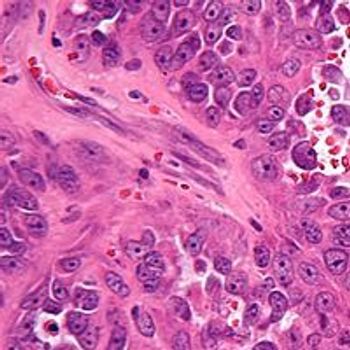
Camsirubicin in combination with pegfilgrastim produced encouraging clinical activity and safety in patients with advanced soft tissue sarcoma.

The FDA has granted an orphan drug designation to vebreltinib for the treatment of patients with non–small cell lung cancer harboring MET genomic tumor aberrations.

The FDA has granted an orphan drug designation to the highly specific HDAC6 inhibitor AVS100 for the treatment of patients with stage IIB to IV melanoma.

The combination of sotigalimab and pembrolizumab showed encouraging antitumor activity and was well tolerated in the frontline setting of patients with metastatic melanoma.
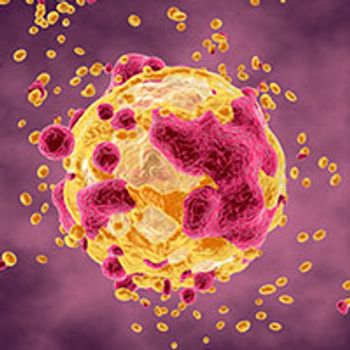
CYNK-101 demonstrated synergistic activity when used in combination with avelumab through antibody-dependent cellular cytotoxicity against PD-L1–positive non–small cell lung cancer, triple-negative breast cancer, and bladder cancer cell lines, according to preclinical data.

CTX130, an investigational allogeneic, CRISP/Cas9 gene-edited, anti-CD70 CAR T-cell therapy, was found to be safe with early signs of clinical activity in patients with advanced clear cell renal cell carcinoma, according to findings from the phase 1 COBALT-RCC trial.
Regorafenib plus ipilimumab and nivolumab led to encouraging survival and responses in approximately half of patients with microsatellite stable, non–liver metastatic colorectal cancer who progressed on prior chemotherapy.
The addition of CBM588 to the combination of nivolumab and ipilimumab produced superior response rates and a progression-free survival benefit vs nivolumab plus ipilimumab alone in previously untreated patients with metastatic renal cell carcinoma.
The FDA has granted a breakthrough therapy designation to elranatamab for the treatment of patients with relapsed/refractory multiple myeloma.

SRF388 elicited responses in pretreated patients with locally advanced or metastatic non–small cell lung cancer.
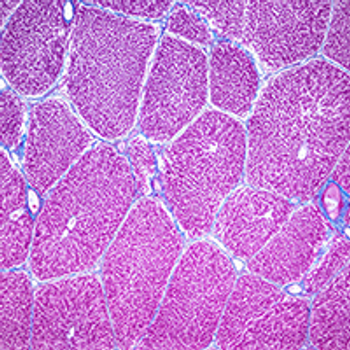
The FDA has granted an orphan drug designation to OTX-2002 for the treatment of patients with hepatocellular carcinoma.
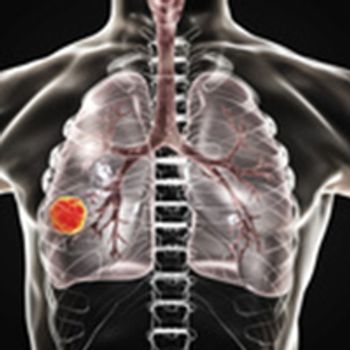
Telisotuzumab vedotin in combination with erlotinib induced promising outcomes in patients with advanced, EGFR-mutated, c-MET-positive non–small cell lung cancer who were contraindicated for surgery or other approved therapies.

ABBV-383 was effective and well tolerated at all administered doses in patients with relapsed/refractory multiple myeloma, according to safety and efficacy results from an ongoing first-in-human, phase 1 dose-escalation/-expansion study.