

Brian J. Druker, MD, one of the pioneering researchers who discovered imatinib, has maintained his focus on finding new and better treatments for CML and other leukemias.
Brian J. Druker, MD, one of the pioneering researchers who discovered imatinib, has maintained his focus on finding new and better treatments for CML and other leukemias.

A combination of maintenance bevacizumab plus standard second-line chemotherapy appears to be an effective strategy in managing patients with metastatic colorectal cancer after disease progression

Despite missing its main goals, the PointBreak trial did provide guidance about how best to structure maintenance therapy in NSCLC, and it proved that an option besides paclitaxel is available.

PS2 patients in focus at the 7th Annual New York Lung Cancer Symposium, hosted by Physicians' Education Resource, that took place in New York City.

Heinz-Josef Lenz, MD, has focused his research on a range of scientific and translational questions, including the regulation of gene expression in drug resistance and targeted therapies.
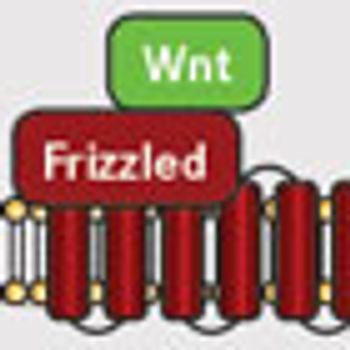
Tumor-initiating cells are thought to be the source of metastasis. For these reasons, the Wnt pathway is viewed as a strong candidate for therapeutic intervention.

Treating estrogen receptor–positive breast cancer without sparking resistance is a complex endeavor that should involve simultaneously targeting the hormone-signaling and PI3 kinase molecular pathways

In the absence of a phase III randomized trial, what constitutes sufficient evidence to justify use of a treatment, particularly a nontraditional treatment or one that challenges common practice?

For the past six years, researchers have been working to develop a treatment for patients with CML who have become resistant to the groundbreaking drug imatinib and to the TKIs dasatinib and nilotinib that were developed subsequently.
Ipilimumab provides a striking example of the way in which some patients derive long-term benefits from therapy while others do not. The reasons for such differences should be a priority for translational research.