

The American Society of Clinical Oncology has honored 11 people with distinguished awards in recognition of their special contributions to cancer care.
The American Society of Clinical Oncology has honored 11 people with distinguished awards in recognition of their special contributions to cancer care.
The development of targeted therapies for a variety of tumor types has highlighted a greater need for widespread molecular testing to determine which patients have the mutations that these therapies target.

Smokers are better able to remember the printed health-risk warnings that appear in cigarette advertisements and labels when the messages include images.

Research presented at the ASCO Annual Meeting in June included these two clinical trials in advanced, metastatic non-small cell lung cancer.

Amid a continuing debate over healthcare spending in the United States, the oncology community is growing more introspective about the costs associated with increasingly sophisticated cancer therapeutics.
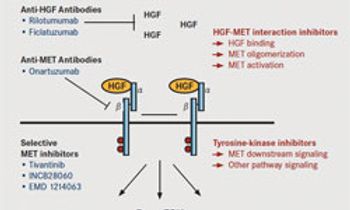
An effort to nurture the drug development skills of young oncologists as they explore a novel targeted agent has gained support from the Conquer Cancer Foundation of the American Society of Clinical Oncology.

Men with a baseline PSA between 1.5 and 4.0 ng/mL faced a 15-fold increase in prostate cancer over a four-year period as compared with men whose baseline PSA levels were

Melinda L. Telli, MD, is actively involved in clinical research that focuses on DNA repair targeted therapeutics for the treatment of triple-negative and BRCA1/2 mutation-associated breast cancer.

Since the phase III AFFIRM trial of enzalutamide was halted after meeting its endpoint of improved OS, physicians have remained hopeful about its potential as a treatment for prostate cancer.

Expression levels of thymidylate synthase may help point the way to new treatment options for patients with ALK-positive NSCLC, including combination therapy.
In spite of the setbacks, researchers remain hopeful that a better understanding of the mechanism of action for PARP inhibitors will lead to effective treatment of a wide variety of cancers.
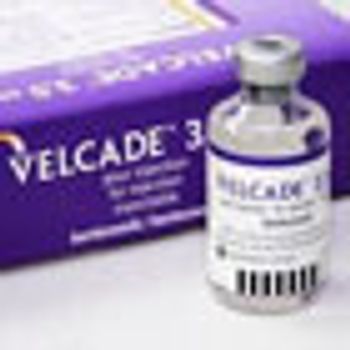
Bortezomib represented a major discovery in cancer research and has helped some patients achieve a complete pathological response and live longer.

As the molecular understanding of breast cancer continues to evolve, the search for treatment targets based upon tumor subtypes and gene expression patterns is intensifying.
It is difficult to overstate the excitement surrounding the development of two new effective therapeutic strategies in the management of metastatic melanoma.