

Oncology specialists who treat patients with mCRPC can look forward to choosing from an expanding array of therapeutic tools, including regimens.
Oncology specialists who treat patients with mCRPC can look forward to choosing from an expanding array of therapeutic tools, including regimens.

An interview with David Cella, PhD, the developer of the FACIT system of questionnaires that scientifically measure the quality of life of patients being treated for cancer.
While many approaches to using immunotherapy for the treatment of prostate cancer are under study, four strategies currently in later-stage clinical development have emerged as the most promising.

The results of several long-term clinical trials published last year clarify the role of combination ADT and RT in the treatment of men with prostate cancer.
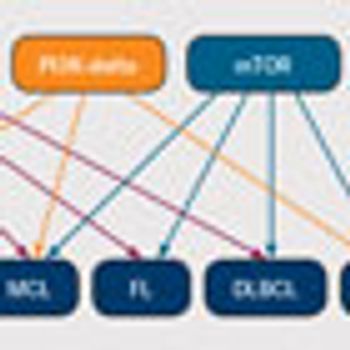
Increased understanding of the molecular mechanisms underlying the pathogenesis of hematologic cancers has led to the development of several promising new classes of targeted therapies.
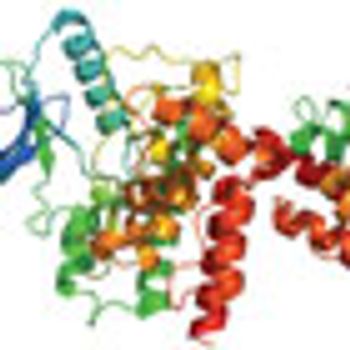
JAK plays an important role in the formation and development of blood cells, and defects in the gene have been identified in myeloproliferative neoplasms.
As the cost of sequencing and analyzing genetic data continues to fall, the nation's leading cancer centers keep unveiling ambitious new clinical programs and research projects that will change the way every cancer specialist practices.
The use of PET/CT scans in the detection of early recurrence in patients with squamous cell carcinoma of the head and neck remains an open question, despite recent research suggesting beneficial results.
To learn more about how photopheresis can help patients fight the symptoms of CTCL, OncologyLive spoke with Dennis Parenti, MD, vice president of Clinical Affairs for Therakos.

Ipilimumab generates antitumor activity in some patients with advanced melanoma whose disease has metastasized to the brain without resulting in unexpected toxicities.
The demonstrated impact of imatinib mesylate on outcomes for patients with CML shifted the oncology paradigm to an intensive search for relevant molecular target.