

Despite the widespread availability of antiemetic regimens, between 30% and 50% of patients receiving chemotherapy experience treatment-related nausea and/or vomiting.
Despite the widespread availability of antiemetic regimens, between 30% and 50% of patients receiving chemotherapy experience treatment-related nausea and/or vomiting.
There are certain commonly used terms in the realm of oncology that may result in unintended consequences and should be considered carefully before being employed in conversation or in writing.
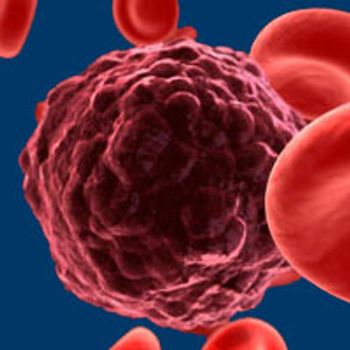
Marcela V. Maus, MD, PhD, evaluates the next generation of chimeric antigen receptor (CAR) T cells in both hematologic malignancies and solid tumors
Chimeric antigen receptor (CAR) T cells have hit prime time, with the 2 recent FDA approvals for this class of cell-based therapy.

Checkpoint blockade immunotherapy has been hailed as a significant advance in anticancer treatment. Yet only a subset of patients experience long-term cancer remission as a result of these therapies, because a significant number of those who initially respond eventually develop resistance.
Due to great progress in alternative donor transplants, almost all transplant-eligible patients, up to age 75 years, in 2017 will be able to find a suitable donor and proceed to transplant, a major advance over the past 10 years.