

Although immunotherapy has become an important modality for treating non–small cell lung cancer, the development of new strategies for targeting oncogenic drivers of disease in subgroups of patients is moving forward at a brisk pace.
Although immunotherapy has become an important modality for treating non–small cell lung cancer, the development of new strategies for targeting oncogenic drivers of disease in subgroups of patients is moving forward at a brisk pace.

The growth and aging of the population combined with advances in the early detection and treatment of cancer have resulted in a growing population of survivors across the nation, according to a study from the American Cancer Society and the National Cancer Institute.

A strong unmet need for survivorship care plans exists in the cancer treatment community and better follow-up is required for patients who have moved on from treatment and are experiencing its aftereffects.
In the phase III PROSPER trial, investigators will attempt a novel approach in localized renal cell carcinoma: priming the immune system prior to nephrectomy with neoadjuvant nivolumab and continuing with adjuvant blockade. The study will be the first to combine neoadjuvant and adjuvant immunotherapy with standard of care nephrectomy.
During an OncologyLive Peer Exchange, the panelists discuss some of the challenges they face when conducting molecular testing, including determining which patients to test, when to test, and how to test to ensure that no golden tickets, such as NTRK gene fusions, are missed. They also discuss the data surrounding TRK inhibitors and their experiences using these agents.

Until now, radiation oncology (RO) has remained largely untouched by the valuebased initiatives of the Centers for Medicare and Medicaid Services. The federal agency aims to change that with a proposed RO Model of care that would promote site-neutral payment and take away incentives for volume-based billing.
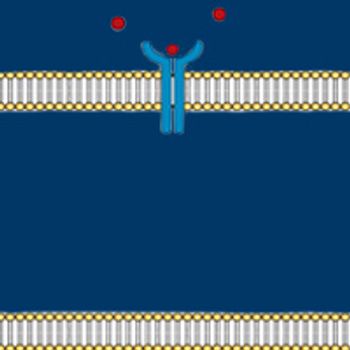
Now, investigators are combining BRAF inhibitors with other targeted therapies in an effort to establish a new chemotherapy-free standard in patients with metastatic colorectal cancer.

Recently, new data were presented for patients in different risk categories that significantly changed the surgical and medical management of patients with newly diagnosed metastatic renal cell carcinoma.

Each year, 10% to 15% of patients with soft-tissue carcinomas receive a diagnosis of rare retroperitoneal sarcoma (RPS), an aggressive disease that typically recurs in 26% of cases and has a 47% to 67% five-year overall survival rate. New radiation therapies hold potential to decrease treatment time and provide local control of RPS.

For clinical science, particularly oncology, there has never been a more exciting era than today.