

Although trastuzumab-based regimens remain the standard treatment for patients with early-stage HER2-positive breast cancer, unanswered clinical questions surround the use of other agents in the neoadjuvant and adjuvant settings.
Although trastuzumab-based regimens remain the standard treatment for patients with early-stage HER2-positive breast cancer, unanswered clinical questions surround the use of other agents in the neoadjuvant and adjuvant settings.
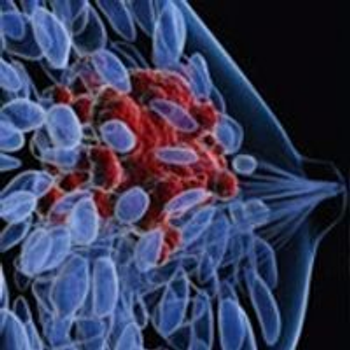
Although endocrine therapies have revolutionized the treatment of breast cancers driven by the estrogen receptor, the development of resistance remains a major challenge that limits long-term remission with currently available drugs.

The combination of navitoclax and ruxolitinib simultaneously inhibits 2 key mechanisms that promote myelofibrosis, resulting in an improvement in symptom control and positive changes in response biomarkers in patients with high-risk disease.

Because the current standard-of-care modalities have significant limitations, there has been a great interest in pursuing immunotherapeutic strategies for glioblastoma.
Investigators are seeking to determine the optimal protocol for monitoring patients with pancreatic cysts to better identify neoplasms that are more likely to become malignant.

The COVID-19 pandemic created new patient care challenges in oncology, such as how to reduce risks of virus exposure for patients who may be immunocompromised and switching from in-person visits to telemedicine.

Costs associated with anticancer therapeutics continue to rise, although it also is recognized that the overall effectiveness of therapy has improved.

John L. Marshall, MD, has made it his mission to improve the lives of patients with GI cancers through innovative research, personalized medicine, and focused advocacy.