
Key opinion leaders in the field share what they considered to be the greatest takeaways from the 2020 Genitourinary Cancers Symposium and provide insight on where treatment is headed in their respective areas of expertise.
Key opinion leaders in the field share what they considered to be the greatest takeaways from the 2020 Genitourinary Cancers Symposium and provide insight on where treatment is headed in their respective areas of expertise.

Neeraj Agarwal, MD, discusses the COSMIC-021 trial and shares the next steps for this research.

Sumanta K. Pal, MD, discusses the cohort 6 findings of the COSMIC-021 trial and other key data that were presented during the 2020 Genitourinary Cancers Symposium.
The combination of cabozantinib and atezolizumab demonstrated clinically meaningful activity in patients with metastatic castration-resistant prostate cancer, including those with high-risk clinical features.
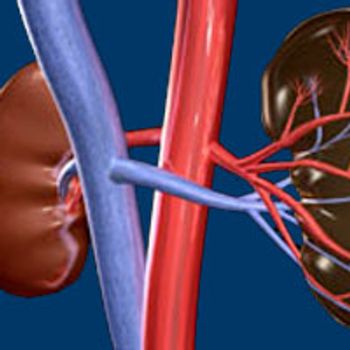
Stereotactic body radiotherapy combined with nivolumab was associated with “high” disease control and overall survival rates in a phase II study of pretreated patients with metastatic renal cell carcinoma; however, the combination did not meet the primary endpoint of overall response rate.
Combining nivolumab (Opdivo) with sitravatinib induced a confirmed objective response rate of 39% and a 92% clinical benefit rate in patients with advanced clear cell renal cell carcinoma.
The oral hypoxia-inducible factor-2α inhibitor MK-6482 induced a partial response rate of 24% and a disease control rate of 80% in patients with advanced clear cell renal cell carcinoma.

The neoadjuvant regimen of nivolumab combined with gemcitabine and cisplatin achieved a pathologic nonmuscle-invasive rate of 66% and a pathologic complete response rate of 49% in patients with muscle-invasive bladder cancer.

A neoadjuvant regimen of durvalumab plus olaparib induced a pathologic complete response rate of 50% in patients with muscle-invasive bladder carcinoma.

Combination therapy with radium-223 and sipuleucel-T yielded conflicting results in patients with metastatic castration-resistant prostate cancer.
Adding apalutamide to androgen deprivation therapy reduced the risk of second progression or death by 34% compared with ADT alone in patients with metastatic castration-sensitive prostate cancer.

Enfortumab vedotin-ejfv combined with pembrolizumab led to an objective response rate of 73% in previously untreated patients with locally advanced or metastatic urothelial cancer who were ineligible for cisplatin-based chemotherapy.
Cabozantinib demonstrated impressive progression free survival when administered post-immunotherapy in patients with metastatic renal cell carcinoma.