
Leah Wells, MD, breaks down the expansion and continued investigation of ADCs in lung cancer management.
Leah Wells, MD, breaks down the expansion and continued investigation of ADCs in lung cancer management.
Christian Capitini has been named the next director of the University of Wisconsin Carbone Cancer Center.
Disrupting liver-driven immune sink by depleting macrophages and preventing T-cell clearance restores responsiveness to immunotherapy in melanoma.
Natalie Callander, MD, discusses the role of ALC monitoring in the management of relapsed/refractory multiple myeloma following CAR T-cell therapy.
To ensure the generalizability of clinical trial results and equitable treatment access, enrollment must reflect the diversity of the patient population.

Adjuvant dalpiciclib plus endocrine therapy met the iDFS primary end point in the DAWNA-A trial in HR-positive, HER2-negative early breast cancer.
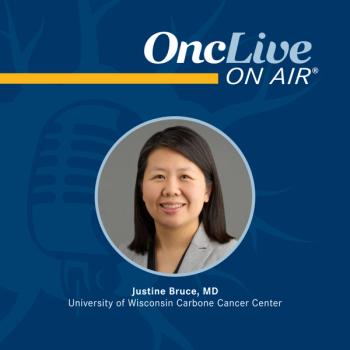
Dr Bruce discusses treatment strategies for nasopharyngeal cancer, including how first-line toripalimab plus chemotherapy has shown improved OS.
Liquid biopsy approaches aid in precision therapy selection for patients with breast cancer in a noninvasive manner.
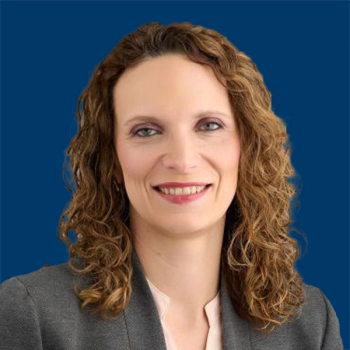
Nataliya Uboha, MD, PhD, underscores the crucial role of molecular profiling for guiding first-line treatment approaches in esophageal adenocarcinoma.
Nataliya Uboha, MD, PhD, discusses how biomarkers help guide treatment decision-making in esophageal adenocarcinoma.
Nataliya Uboha, MD, PhD, highlights the importance of standard endoscopic procedures for the early detection of esophageal cancer.
As we plan for a future with solid tumor CAR T-cell therapy, we should be mindful of lessons learned from CAR T-cell agents for hematologic malignancies.
Here is your snapshot for all therapeutic options that were approved by the FDA in March 2025 spanning tumor types.
Nataliya Uboha, MD, PhD, discusses how the FDA approval of tislelizumab plus chemotherapy addresses unmet needs for patients with metastatic ESCC.
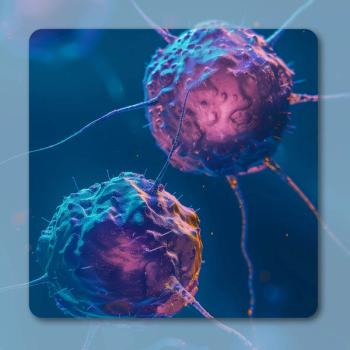
A phase 1 trial is examining the use of mesenchymal stromal cells for treatment of radiation-induced xerostomia in patients who have completed radiation.
Kari Wisinski, MD, discusses factors that influence her decision between CDK4/6 inhibitors for patients with treatment-naive, HR+ metastatic breast cancer.
Zyed Nabeel Zafar, MD, MPH, explores the nuances of postoperative considerations in pancreatic cancer treatment.
Experts from the University of Wisconsin Health discuss ongoing barriers to equitable cancer care and ways to drive change.
UW Health experts advocate for more women in leadership positions and discuss the need to cultivate diversity to reduce disparities in cancer care.
18F-DCFPyL PSMA-PET imaging plus multi-parametric MRI improved the detection of clinically significant prostate cancer in low- and high-risk men on active surveillance.
Dr Kyriakopoulos sheds light on the potential synergy between masofaniten and enzalutamide when used in combination for patients with prostate cancer.

Kari Wisinski, MD, discusses treatment development and the current arsenal for patients with hormone receptor–positive, HER2-negative breast cancer.
Functional imaging information from 18F-FDG PET can complement data from anatomic imaging studies from CT and MRI to predict response to ICI therapy.
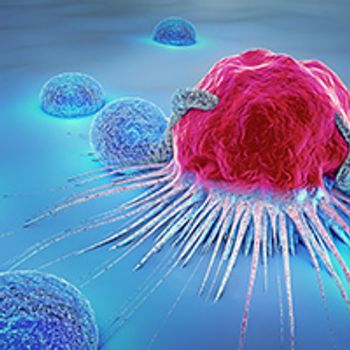
Drug development is a difficult and ever-changing process, with new agents being developed by industry and academic partners.
Kari Wisinski, MD, highlights the use of oral selective estrogen receptor degraders and CDK4/6 inhibitors in the treatment of patients with hormone receptor–positive/HER2-negative breast cancer, the growing role of antibody-drug conjugates across the breast cancer spectrum, and ongoing research taking place at Carbone Cancer Center.
Lubna Chaudhary, MD, MS, discusses the ongoing investigation and utilization of trastuzumab deruxtecan in patients with metastatic HER2-positive breast cancer and compared this agent’s efficacy with that of trastuzumab emtansine.
Malinda West, MD, MS, discusses the use of adjuvant endocrine therapy in combination with CDK4/6 inhibitors in the treatment of patients with early-stage HER2-negative breast cancer.
Lisa Barroilhet, MD, discusses the role of PARP inhibitors in patients with ovarian cancer.

After discussing earlier-line use of CAR T-cell therapy in patients with multiple myeloma, the panel considers key takeaways and future evolutions in the treatment landscape.

Before closing out their discussion on novel therapies in multiply relapsed multiple myeloma, panelists identify the evolving role of CAR T-cell therapy.