
The group of researchers is conducting the largest African-American prostate cancer study ever, aiming to include 10,000 men nationwide.
The group of researchers is conducting the largest African-American prostate cancer study ever, aiming to include 10,000 men nationwide.
Baylor College of Medicine has been awarded more than $17.4 million by the Cancer Prevention & Research Institute of Texas to support new cancer research and programs, core facilities and recruitment of new faculty.
Shoba A. Navai, MD, an assistant professor, Department of Pediatrics, Section of Pediatric Hematology and Oncology, at Baylor College of Medicine, Texas Children’s Hospital, discusses treatment options for patients with relapsed/refractory sarcoma.
Benjamin Leon Musher, MD, associate professor of medicine, hematology and oncology, at Baylor College of Medicine, discusses emerging combination therapies in hepatocellular carcinoma (HCC).
Benjamin Leon Musher, MD, reflects on the progress that has been made in hepatocellular carcinoma and highlights promising combinations that are emerging in the space.
Ghanshyam Yadav, MD, first-year resident, Baylor College of Medicine, discusses the combination of olaparib (Lynparza) and neratinib (Nerlyx) in patients with HER2-overexpressing uterine serous carcinoma.

Brandon G. Smaglo, MD, FACP, assistant professor of internal medicine, Dan L Duncan Comprehensive Cancer Center, Baylor College of Medicine, discusses the FDA approval of TAS-102 (trifluridine/tipiracil; Lonsurf) in gastric/gastroesophageal junction (GEJ) adenocarcinoma.
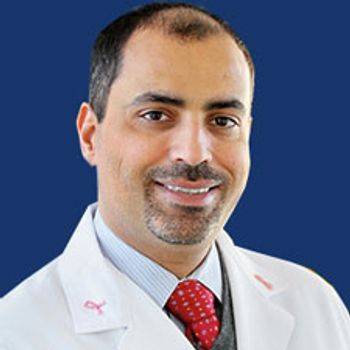
Mothaffar F. Rimawi, MD, discusses the current options in HER2-positive breast cancer and sheds light on where future research is headed.
Matthew J. Ellis, MD, PhD, professor and director, Lester and Sue Smith Breast Center, associate director of precision medicine, Dan L. Duncan Comprehensive Cancer Center, Baylor College of Medicine, discusses adjuvant CDK4/6 inhibition in hormone receptor (HR)-positive breast cancer.

Shirley Michelle Shiller, DO, member of the Precision Medicine Institute's Advisory Committee, Baylor University Medical Center, discusses a patient’s hereditary predisposition to cancer.
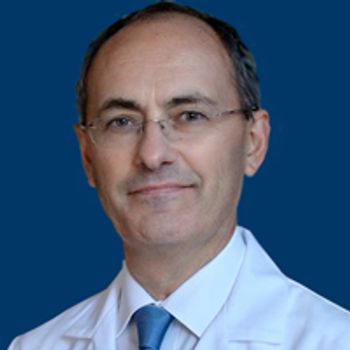
Matthew J. Ellis, MD, PhD, discusses the use of CDK4/6 inhibitors in the treatment of patients with hormone receptor–positive breast cancer.
Shirley Michelle Shiller, DO, member of the Precision Medicine Institute's Advisory Committee, Baylor University Medical Center, discusses molecular testing in gastrointestinal cancers.
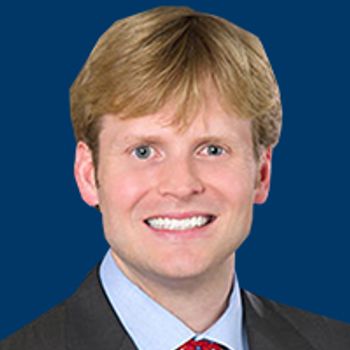
Scott Paulson, MD, discusses recent updates in the treatment of patients with neuroendocrine tumors.

Scott Paulson, MD, co-director of the Gastrointestinal Research Program for The US Oncology Network, medical director for the Neuroendocrine Research and Treatment Center at Baylor Charles A. Sammons Cancer Center, Baylor University Medical Center, discusses when to consider using Lutathera (lutetium Lu 177 dotatate) in patients with neuroendocrine tumors (NETs).
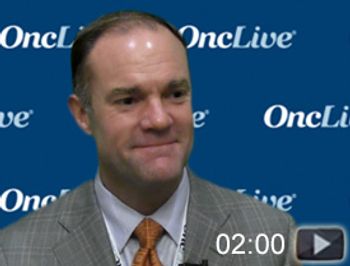
A. David McCollum, MD, oncologist, Baylor University Medical Center, discusses frontline therapy for patients with metastatic colorectal cancer (mCRC).
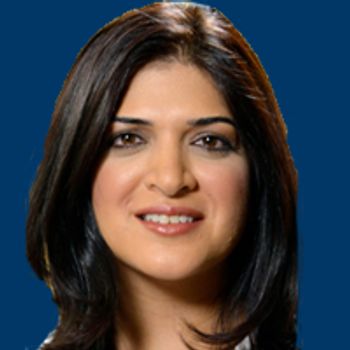
Supported by research, there have been recent developments in using scalp cooling to combat chemotherapy-induced alopecia for patients with breast cancer.

Some HER2-positive breast cancer patients may be able to receive targeted neoadjuvant therapy with lapatinib and trastuzumab without chemotherapy.