
Dr Orloff discusses the distinct biology of uveal melanoma and why it has historically resisted systemic treatment.
Dr Orloff discusses the distinct biology of uveal melanoma and why it has historically resisted systemic treatment.

The top 5 OncLive TV videos of the week cover insights in breast cancer, uveal melanoma, prostate cancer, and multiple myeloma.
Marlana Orloff, MD, discusses efficacy findings with darovasertib plus crizotinib in metastatic uveal melanoma that were seen in the OptimUM-01 trial.

Blake Zenger, MBA, and Brooke Worster, MD, MS, FACP, detail a health care cost impacts model pertaining to the use of cannabis for therapy-related symptoms
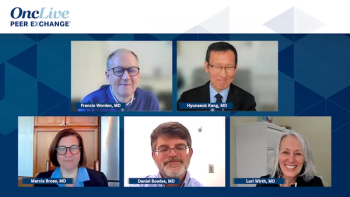
Medical professionals discuss the recently published real-world evidence presented at the American Thyroid Association 2023 Conference.
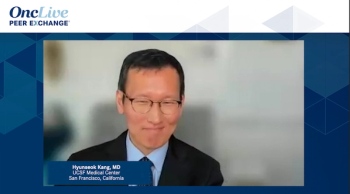
Hyunseok Kang, MD, discusses the importance of balancing toxicities and other factors when initiating first-line treatments for patients with refractory differentiated thyroid cancer (DTC), while emphasizing the need to set clear goals and communicate potential adverse reactions before allowing patients to make informed decisions.
Maria Hafez, MD, discusses the design of, and outcomes from, the phase 3 FeDeriCa trial in patients with HER2-positive early breast cancer.

Lindsay Wilde, MD, explains when cannabis may be appropriate and how she’s seen the agent affect quality of life for her patients.

Brooke Worster, MD, MS, FACP, and chief medical officer at EO Care, details what oncologists should know about medical cannabis pending the expectant marijuana reclassification from a Schedule I to a Schedule III drug.
The burst of translational research leading to PARP inhibitors in prostate cancer, along with imaging and diagnostic advances, has been a monumental evolution for the management of this disease.
Maria Hafez, MD, discusses differences in biomarker expression prior to and following neoadjuvant chemotherapy treatment in HER2-positive breast cancer.
Maria Hafez, MD, explains how hormone receptor status, risk stratification, & other factors influence clinical decisions in early HER2+ breast cancer.
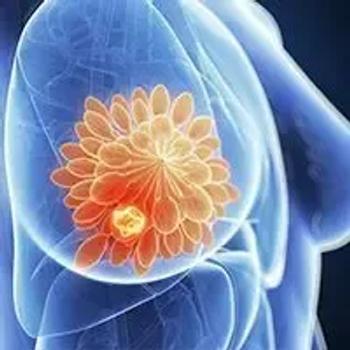
Maria Hafez, MD, discusses factors such as HER2 status, lymph node negativity, and risk stratification that influence the selection of adjuvant treatment approaches for patients with early-stage HER2-positive breast cancer and expands on pivotal data that have changed the paradigm.
OncLive® and The Ruesch Center for the Cure of Gastrointestinal Cancers at Georgetown Lombardi Comprehensive Cancer Center in Washington, DC, have announced the winners of the 2023 Luminary Award in GI cancers.
Kevin Kayvan Zarrabi, MD, MS, FACP, discusses the emergence of triplet therapy of ADT, AR-targeted therapy, and cytotoxic chemotherapy for patients with mHSPC; highlights key trials that have explored and supported the use of these triplets; and expands on the unanswered questions that remain regarding patient selection and chemotherapy eligibility.
Before closing out their discussion on RR DTC management, panelists consider the advent of sequencing through multiple lines of therapy.
Shared insight on the optimal use of RET inhibitor therapy in select patients with RET-rearranged radioiodine-refractory differentiated thyroid cancer.
Centering discussion on the final clinical scenario of RR DTC, Francis Worden, MD, highlights the management of a patient with an identified RET rearrangement.
Expert panelists provide comprehensive insight to the utilization of second-line therapy for patients with RR DTC, covering formulation, dosing, and adverse event management.
A broad view of clinical data behind use of cabozantinib therapy in the second-line setting of radioiodine-refractory differentiated thyroid cancer.
Moving on to a new clinical scenario, Lori Wirth, MD, reviews the second-line management of a patient who progresses on frontline systemic therapy.
Before closing out their discussion on the frontline treatment setting of RR DTC, panelists highlight dose reductions and planned treatment holidays to mitigate adverse events.
Expert perspectives on real world and quality of life data behind systemic therapy in patients with radioiodine-refractory differentiated thyroid cancer.
Expert oncologists work together to review the treatment armamentarium for radioiodine-refractory differentiated thyroid cancer and identify factors that best inform selection of therapy.
A brief review of when it is appropriate to initiate systemic therapy in patients with differentiated thyroid cancer as opposed to continuing active surveillance.
Key opinion leaders in differentiated thyroid cancer take a moment to define radioiodine refractory disease and consider its implications in establishing a treatment pathway.
Comprehensive insight on best practices in dose adjustment and adverse event management in patients receiving systemic therapy for RR DTC.
Expert Marcia Brose, MD, PhD, reviews a patient case of radioiodine-refractory differentiated thyroid cancer (RR DTC) managed with frontline lenvatinib therapy.
Shared insight on best practices in diagnosing patients with differentiated thyroid cancer with a focus on histologic and molecular subtypes.
Opening discussion on the advent of differentiated thyroid cancer (DTC) and management, moderator Lori J. Wirth, MD, provides and overview of prevalence, subtypes, and prognosis.