Lori J. Wirth, MD, Massachusetts General Hospital
Articles by Lori J. Wirth, MD, Massachusetts General Hospital
Lori Wirth, MD, highlights future directions in the treatment of radioactive iodine–refractory differentiated thyroid cancer, emphasizing novel targets and mechanisms of resistance.
Lori Wirth, MD, discusses practical considerations for managing adverse events with the combination of lenvatinib and pembrolizumab in radioactive iodine–refractory differentiated thyroid cancer.
Lori Wirth, MD, reviews clinical evidence supporting the combination of lenvatinib and pembrolizumab in radioactive iodine–refractory differentiated thyroid cancer.
Lori Wirth, MD, discusses how the expanding treatment landscape in advanced differentiated thyroid cancer has shifted focus toward optimal sequencing of therapies.
Lori Wirth, MD, outlines optimal first-line use and sequencing strategies for systemic therapy in radioactive iodine–refractory differentiated thyroid cancer.
Lori Wirth, MD, reviews emerging phase 3 data evaluating dabrafenib plus trametinib in patients with BRAF V600E–mutated advanced differentiated thyroid cancer.
Lori Wirth, MD, reviews recent National Comprehensive Cancer Network guideline updates for patients with radioactive iodine refractory differentiated thyroid cancer.
Lori Wirth, MD, explains how molecular profiling in advanced differentiated thyroid cancer informs both treatment selection and prognosis. Identifying actionable genomic alterations enables clinicians to tailor systemic therapy based on tumor genotype, a cornerstone of precision oncology.
Lori Wirth, MD, discusses the latest NCCN guideline updates in differentiated thyroid cancer.
Lori Wirth, MD, discusses the latest NCCN guideline updates in differentiated thyroid cancer.
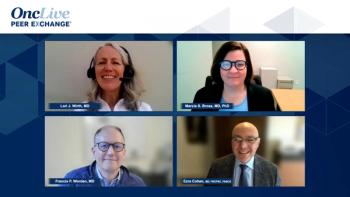
Sequencing Throughout Multiple Lines of Therapy in RR DTC
ByLori J. Wirth, MD, Massachusetts General Hospital,Ezra Cohen, MD, FRCPSC, FASCO, UC San Diego,Francis Paul Worden, MD, University of Michigan Comprehensive Cancer Center,Marcia S. Brose, MD, PhD Before closing out their discussion on RR DTC management, panelists consider the advent of sequencing through multiple lines of therapy.
Optimizing Use of RET Inhibitors in Patients With RR DTC
ByLori J. Wirth, MD, Massachusetts General Hospital,Ezra Cohen, MD, FRCPSC, FASCO, UC San Diego,Francis Paul Worden, MD, University of Michigan Comprehensive Cancer Center,Marcia S. Brose, MD, PhD Shared insight on the optimal use of RET inhibitor therapy in select patients with RET-rearranged radioiodine-refractory differentiated thyroid cancer.
Patient Scenario 3: Treating RR DTC With an Identified RET Fusion
ByLori J. Wirth, MD, Massachusetts General Hospital,Ezra Cohen, MD, FRCPSC, FASCO, UC San Diego,Francis Paul Worden, MD, University of Michigan Comprehensive Cancer Center,Marcia S. Brose, MD, PhD Centering discussion on the final clinical scenario of RR DTC, Francis Worden, MD, highlights the management of a patient with an identified RET rearrangement.
Practical Considerations for Utilizing Second-Line Therapy in RR DTC
ByLori J. Wirth, MD, Massachusetts General Hospital,Ezra Cohen, MD, FRCPSC, FASCO, UC San Diego,Francis Paul Worden, MD, University of Michigan Comprehensive Cancer Center,Marcia S. Brose, MD, PhD Expert panelists provide comprehensive insight to the utilization of second-line therapy for patients with RR DTC, covering formulation, dosing, and adverse event management.
Clinical Data Behind Second-Line Therapy in RR DTC
ByLori J. Wirth, MD, Massachusetts General Hospital,Ezra Cohen, MD, FRCPSC, FASCO, UC San Diego,Francis Paul Worden, MD, University of Michigan Comprehensive Cancer Center,Marcia S. Brose, MD, PhD A broad view of clinical data behind use of cabozantinib therapy in the second-line setting of radioiodine-refractory differentiated thyroid cancer.
Patient Scenario 2: Second-Line Management of RR DTC With Cabozantinib
ByLori J. Wirth, MD, Massachusetts General Hospital,Ezra Cohen, MD, FRCPSC, FASCO, UC San Diego,Francis Paul Worden, MD, University of Michigan Comprehensive Cancer Center,Marcia S. Brose, MD, PhD Moving on to a new clinical scenario, Lori Wirth, MD, reviews the second-line management of a patient who progresses on frontline systemic therapy.
RR DTC: Managing Adverse Events With Dose Reductions or Holds
ByLori J. Wirth, MD, Massachusetts General Hospital,Ezra Cohen, MD, FRCPSC, FASCO, UC San Diego,Francis Paul Worden, MD, University of Michigan Comprehensive Cancer Center,Marcia S. Brose, MD, PhD Before closing out their discussion on the frontline treatment setting of RR DTC, panelists highlight dose reductions and planned treatment holidays to mitigate adverse events.
Quality of Life and Real-World Data in Patients With RR DTC
ByLori J. Wirth, MD, Massachusetts General Hospital,Ezra Cohen, MD, FRCPSC, FASCO, UC San Diego,Francis Paul Worden, MD, University of Michigan Comprehensive Cancer Center,Marcia S. Brose, MD, PhD Expert perspectives on real world and quality of life data behind systemic therapy in patients with radioiodine-refractory differentiated thyroid cancer.
Overview of Available Treatment Options for RR DTC
ByLori J. Wirth, MD, Massachusetts General Hospital,Ezra Cohen, MD, FRCPSC, FASCO, UC San Diego,Francis Paul Worden, MD, University of Michigan Comprehensive Cancer Center,Marcia S. Brose, MD, PhD Expert oncologists work together to review the treatment armamentarium for radioiodine-refractory differentiated thyroid cancer and identify factors that best inform selection of therapy.
RR DTC: Active Surveillance vs Initiating Systemic Therapy
ByLori J. Wirth, MD, Massachusetts General Hospital,Ezra Cohen, MD, FRCPSC, FASCO, UC San Diego,Francis Paul Worden, MD, University of Michigan Comprehensive Cancer Center,Marcia S. Brose, MD, PhD A brief review of when it is appropriate to initiate systemic therapy in patients with differentiated thyroid cancer as opposed to continuing active surveillance.
Defining Radioiodine-Refractory Differentiated Thyroid Cancer
ByLori J. Wirth, MD, Massachusetts General Hospital,Ezra Cohen, MD, FRCPSC, FASCO, UC San Diego,Francis Paul Worden, MD, University of Michigan Comprehensive Cancer Center,Marcia S. Brose, MD, PhD Key opinion leaders in differentiated thyroid cancer take a moment to define radioiodine refractory disease and consider its implications in establishing a treatment pathway.
Practical Considerations for Managing RR DTC With Systemic Therapy
ByLori J. Wirth, MD, Massachusetts General Hospital,Ezra Cohen, MD, FRCPSC, FASCO, UC San Diego,Francis Paul Worden, MD, University of Michigan Comprehensive Cancer Center,Marcia S. Brose, MD, PhD Comprehensive insight on best practices in dose adjustment and adverse event management in patients receiving systemic therapy for RR DTC.
Patient Scenario 1: RR DTC Managed With Frontline Lenvatinib
ByLori J. Wirth, MD, Massachusetts General Hospital,Ezra Cohen, MD, FRCPSC, FASCO, UC San Diego,Francis Paul Worden, MD, University of Michigan Comprehensive Cancer Center,Marcia S. Brose, MD, PhD Expert Marcia Brose, MD, PhD, reviews a patient case of radioiodine-refractory differentiated thyroid cancer (RR DTC) managed with frontline lenvatinib therapy.
Diagnosing DTC: Clinical Workup and Molecular Testing
ByLori J. Wirth, MD, Massachusetts General Hospital,Ezra Cohen, MD, FRCPSC, FASCO, UC San Diego,Francis Worden, MD,Marcia S. Brose, MD, PhD, University of Pennsylvania Shared insight on best practices in diagnosing patients with differentiated thyroid cancer with a focus on histologic and molecular subtypes.
Overview on Differentiated Thyroid Cancer (DTC)
ByLori J. Wirth, MD, Massachusetts General Hospital,Ezra Cohen, MD, FRCPSC, FASCO, UC San Diego,Francis Worden, MD,Marcia Brose, MD, PhD, University of Pennsylvania Opening discussion on the advent of differentiated thyroid cancer (DTC) and management, moderator Lori J. Wirth, MD, provides and overview of prevalence, subtypes, and prognosis.
Future Directions in Biomarker-Based Oncology
ByMark A. Socinski, MD, AdventHealth Cancer Institute,Jonathan Trent, MD, PhD, Sylvester Comprehensive Cancer Center,Lori J. Wirth, MD, Massachusetts General Hospital,Jyoti Patel, MD, FASCO, Lurie Cancer Center at Northwestern Medicine,Benjamin Levy, MD, Johns Hopkins Sidney Kimmel Cancer Center Experts in oncology discuss future directions in biomarker-driven therapy.
NRG1 Fusions in Solid Tumors: The CRESTONE Trial
ByMark A. Socinski, MD, Advent Health Cancer Institute,Jonathan Trent, MD, PhD, Sylvester Comprehensive Cancer Center,Lori J. Wirth, MD, Massachusetts General Hospital,Jyoti Patel, MD, FASCO, Lurie Cancer Center at Northwestern Medicine,Benjamin Levy, MD, Johns Hopkins Sidney Kimmel Cancer Center Dr Mark Socinski describes the design and findings of the CRESTONE trial.
Tumor Agnostic RET Inhibition: The ARROW Trial
ByMark A. Socinski, MD, AdventHealth Cancer Institute,Jonathan Trent, MD, PhD, Sylvester Comprehensive Cancer Center,Lori J. Wirth, MD, Massachusetts General Hospital,Jyoti Patel, MD, FASCO, Lurie Cancer Center at Northwestern Medicine,Benjamin P. Levy, MD, Johns Hopkins Kimmel Cancer Center Dr Jyoti Patel presents data from the ARROW clinical trial.
Tumor Agnostic RET Inhibition: The LIBRETTO-001 Trial
ByMark A. Socinski, MD, Advent Health Cancer Institute,Jonathan Trent, MD, PhD, Sylvester Comprehensive Cancer Center,Lori J. Wirth, MD, Massachusetts General Hospital,Jyoti Patel, MD, FASCO, Lurie Cancer Center at Northwestern Medicine,Benjamin P. Levy, MD, Johns Hopkins Kimmel Cancer Center Lori Wirth, MD, reviews the phase 1/2 LIBRETTO-001 trial.
RET as a Therapeutic Target for Solid Tumors
ByMark A. Socinski, MD, AdventHealth Cancer Institute,Jonathan Trent, MD, PhD, Sylvester Comprehensive Cancer Center,Lori J. Wirth, MD, Massachusetts General Hospital,Jyoti Patel, MD, FASCO, Lurie Cancer Center at Northwestern Medicine,Benjamin P. Levy, MD, John Hopkins Sidney Kimmel Cancer Center Expert oncologists discuss RET-driven therapy for select solid tumors.