
Opinion|Videos|July 15, 2026
Managing Adverse Events With Lenvatinib and Pembrolizumab in Thyroid Cancer
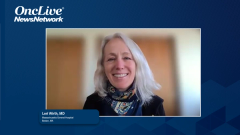
Lori Wirth, MD, discusses practical considerations for managing adverse events with the combination of lenvatinib and pembrolizumab in radioactive iodine–refractory differentiated thyroid cancer.
Advertisement
Episodes in this series
Lori Wirth, MD, discusses practical considerations for managing adverse events with the combination of lenvatinib and pembrolizumab in radioactive iodine–refractory differentiated thyroid cancer. A key clinical challenge is distinguishing lenvatinib-associated diarrhea from immune-related colitis caused by pembrolizumab. Wirth explains that this differentiation is typically straightforward in practice, as holding lenvatinib often leads to rapid symptom improvement if the diarrhea is drug-related. If symptoms persist, further evaluation for immune-mediated toxicity is warranted. Overall, overlapping toxicities between the two agents are limited, allowing clinicians to manage adverse events according to established strategies for each therapy individually. Lenvatinib-related toxicities are addressed with dose holds and reductions, while immune-related adverse events from pembrolizumab are managed per standard immunotherapy guidelines. This approach supports safe and effective use of combination therapy in selected patients.
Supported in part by Eisai, content independently produced by OncLive.
Advertisement
Related to this article

The top 5 OncLive TV videos of the week cover insights in MDS, multiple myeloma, pancreatic cancer, colorectal cancer, and uveal melanoma.

The combination nearly doubled the confirmed response rate in the randomized phase 2 portion of HexAgon-HN, with the greatest benefit in HPV-positive disease.

The FDA approved pirtobrutinib for untreated chronic lymphocytic leukemia, granted priority review to elinzanetant for breast cancer hot flashes, and more.

The 2026 amendment adds 40 new recommendations, including active surveillance, office-based treatment, and chemoablation for select recurrent low-grade disease.

The FDA has approved pirtobrutinib for the treatment of adult patients with previously untreated CLL or SLL harboring no known 17p deletion.

By finding a way to attack the most important human oncogene, KRAS, the UCSF chemical biologist launched a new era in cancer treatment.

TRE-515 earned fast track status in combination with KRAS inhibitors for G12C-mutated NSCLC after anti–PD-(L)1 therapy and platinum-based chemotherapy.

An NDA for zipalertinib in EGFR exon 20 insertion–positive NSCLC is being supported by phase 3 REZILIENT3 data.
Advertisement
Advertisement
Trending on OncLive
1
INBRX-106 Plus Pembrolizumab Improves Responses and PFS in First-Line PD-L1–Positive HNSCC
2
FDA Approves Pirtobrutinib for Previously Untreated CLL/SLL
3
The OncFive: Top Oncology Articles for the Week of 9/27/2026
4
NDA Submission Is Initiated for Zipalertinib Plus Chemotherapy in Frontline EGFR Exon 20 Insertion+ NSCLC
5