
Opinion|Videos|April 7, 2026
Evolving Sequencing Strategies in Advanced Thyroid Cancer Based on Molecular Profile
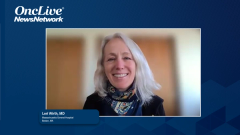
Lori Wirth, MD, discusses how the expanding treatment landscape in advanced differentiated thyroid cancer has shifted focus toward optimal sequencing of therapies.
Advertisement
Episodes in this series
Lori Wirth, MD, discusses how the expanding treatment landscape in advanced differentiated thyroid cancer has shifted focus toward optimal sequencing of therapies. For patients without actionable kinase fusions, lenvatinib remains the preferred first-line therapy. In the second-line setting, treatment selection is increasingly driven by tumor genomics. Patients with BRAF V600E–mutated disease benefit from dabrafenib plus trametinib based on phase 3 data, while those without this mutation derive benefit from cabozantinib, supported by results from the COSMIC-311 trial demonstrating improved progression-free survival. Data remain limited for sequencing after progression on RET or NTRK-targeted therapies; however, lenvatinib is a reasonable option in this context. Additionally, repotrectinib offers a targeted approach for patients with NTRK fusion–positive disease who develop resistance to first-generation TRK inhibitors, addressing kinase solvent front mutations.
Supported in part by Eisai, content independently produced by OncLive.
Advertisement
Related to this article

The top 5 OncLive TV videos of the week cover insights in MDS, multiple myeloma, pancreatic cancer, colorectal cancer, and uveal melanoma.

The combination nearly doubled the confirmed response rate in the randomized phase 2 portion of HexAgon-HN, with the greatest benefit in HPV-positive disease.

The FDA approved pirtobrutinib for untreated chronic lymphocytic leukemia, granted priority review to elinzanetant for breast cancer hot flashes, and more.

The 2026 amendment adds 40 new recommendations, including active surveillance, office-based treatment, and chemoablation for select recurrent low-grade disease.

The FDA has approved pirtobrutinib for the treatment of adult patients with previously untreated CLL or SLL harboring no known 17p deletion.

By finding a way to attack the most important human oncogene, KRAS, the UCSF chemical biologist launched a new era in cancer treatment.

TRE-515 earned fast track status in combination with KRAS inhibitors for G12C-mutated NSCLC after anti–PD-(L)1 therapy and platinum-based chemotherapy.

An NDA for zipalertinib in EGFR exon 20 insertion–positive NSCLC is being supported by phase 3 REZILIENT3 data.
Advertisement
Advertisement
Trending on OncLive
1
INBRX-106 Plus Pembrolizumab Improves Responses and PFS in First-Line PD-L1–Positive HNSCC
2
FDA Approves Pirtobrutinib for Previously Untreated CLL/SLL
3
Five Under 5: Top Oncology Videos for the Week of 9/27
4
NDA Submission Is Initiated for Zipalertinib Plus Chemotherapy in Frontline EGFR Exon 20 Insertion+ NSCLC
5