
R. Lor Randall, MD, FACS, discusses a new STS surveillance algorithm based on findings that show the comparable diagnostic utility of ultrasound and MRI.
R. Lor Randall, MD, FACS, discusses a new STS surveillance algorithm based on findings that show the comparable diagnostic utility of ultrasound and MRI.
R. Lor Randall, MD, FACS, summarizes the current status of and future directions for imaging protocols for post-surgical extremity STS surveillance.
R. Lor Randall, MD, FACS, compares the diagnostic accuracy, recurrence detection rates, and cost effectiveness of MRI vs ultrasound STS surveillance.

Targeted gene therapy kills herpesvirus-linked cancer cells, sparing healthy tissue
R. Lor Randall, MD, FACS, discusses the current paradigm and future trajectory of imaging modalities for the surveillance of soft tissue sarcoma.

Ultrasound is cheaper, faster, and is widely available compared with MRI, but is it enough to displace the gold standard imaging tool?
R. Lor Randall, MD, FACS, spreads awareness about the benign, self-correcting nature of non-ossifying fibromas, which are commonly confused with sarcoma.

R. Lor Randall, MD, FACS, discusses when to intervene prophylactically in patients with advanced cancer and skeletal metastases.

Cancer parametric PET imaging with radioactive tracers is reduced from an hour to 20 minutes
Misako Nagasaka, MD, PhD, discussed the clinical significance of the FDA approval of taletrectinib in ROS1-positive NSCLC.

A clinical trial is testing an extract that could unlock the body’s natural ability to fight cancer.

Clinical trial tests new treatment approach, offers hope for personalized therapies.
R. Lor Randall, MD, FACS, discusses the importance of orthopedic oncology consensus meetings and the need for agreement about certain surgical practices.
R. Lor Randall, MD, FACS, discusses the development of a bone marrow matrix to study osteosarcoma and the model’s mechanisms of metastasis control.
R. Lor Randall, MD, FACS, discusses the significance of the FDA approval of vimseltinib for patients with symptomatic TGCT.
Clinicians parse through the impacts of tumor-agnostic FDA approvals, examining T-DXd and repotrectinib's 2024 approvals in particular.
R. Lor Randall, MD, FACS, discusses the enrollment criteria for a trial investigating surgical outcomes in patients with proximal femur metastases.
R. Lor Randall, MD, FACS, discusses the utility of routine intraoperative frozen section in soft tissue sarcomas and the impact of added costs.

R. Lor Randall, MD, FACS, discusses the construction and preclinical utility of spheroid models for drug development in osteosarcoma.
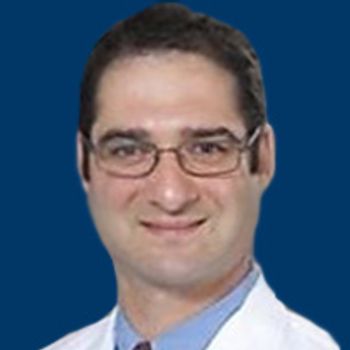
Jonathan Wesley Riess, MD, MS, details the potential for ivonescimab in NSCLC after improving PFS vs pembrolizumab in the HARMONi-2 trial.

Findings point to a biomarker that may give a “head start” to triple-negative breast cancer in Black women.
R. Lor Randall, MD, FACS, discusses advancements in preclinical research identifying therapeutic vulnerabilities in soft tissue sarcomas.

Jonathan Wesley Riess, MD, MS, and Megan E. Daly, MD, provide radiation and medical oncology perspectives on NCCN guideline updates in lung cancer.
R. Lor Randall, MD, FACS, discusses research in orthopedic oncology that is revolutionizing the management of metastatic bone disease from primary cancers.
Secondary metastatic involvement in the musculoskeletal system due to primary cancers and MBD affect patient quality of life and create gaps in care.
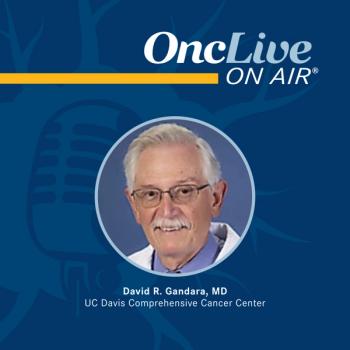
Dr Gandara discusses the optimal use of liquid biopsy for patients with NSCLC and available treatment options for patients with KRAS-mutant NSCLC.
R. Lor Randall, MD, FACS, discusses the relationship between poverty, race, ethnicity, and survival outcomes in pediatric nonmetastatic osteosarcoma.
R. Lor Randall, MD, FACS, highlights key findings from the pivotal MOTION trial of vimseltinib in patients with TGCT.
R. Lor Randall, MD, FACS, details how he treats patients with TGCTs and the potential of vimseltinib to join pexidartinib in the treatment landscape.
R. Lor Randall, MD, FACS, details findings from a genetic and epigenetic study showing 5 sarcoma subtypes had EZH2 activity and a shared epigenetic profile.