R. Lor Randall, MD, FACS, discusses limb salvage surgeries that have been made possible through 3D printing, and the technological advances that are helping to increase precision and turnaround times.
R. Lor Randall, MD, FACS, discusses limb salvage surgeries that have been made possible through 3D printing, and the technological advances that are helping to increase precision and turnaround times.
R. Lor Randall, MD, FACS, discusses the evolution of orthopedic surgery in sarcoma.
R. Lor Randall, MD, FACS, highlights the various data presented at the annual MSTS meeting and their implications for the future of sarcoma treatment.
In our exclusive interview, David R. Gandara, MD highlights the benefits and challenges of delivering patient care virtually and its reception among patients, discusses the sustainability of virtual CME platforms and forecasts what the “new normal” of oncology education may look like as a result of the pandemic.
R. Lor Randall, MD, highlights the innovative efforts by the COG, ongoing studies in sarcomas, and how the organization is adapting during a world with COVID-19.
Premenopausal women with breast cancer who were previously treated with radiotherapy for a primary childhood, adolescent, or young adult cancer were found to have worse breast cancer–specific survival.
Karen Kelly, MD, discusses the experimental window-of-opportunity studies with monotherapies in lung cancer.
David R. Gandara, MD, discusses the impact of immunotherapy on the tumor microenvironment in lung cancer.
R. Lor Randall, MD, FACS, discusses current approaches in the surgical management of patients with osteosarcoma that has metastasized to the lungs.
Karen Kelly, MD, discusses challenges with choosing when to start immunotherapy in patients with lung cancer.
R. Lor Randall, MD, FACS, highlights the specific challenges faced by adolescent and young adult patients with sarcomas, the importance of promoting awareness of this issue, and the resources available to improve outcomes in this population.
R. Lor Randall, MD, FACS, discusses the SAFETY trial (NCT03944798) in soft tissue sarcoma.
R. Lor Randall, MD, discusses the referral challenges for orthopedic oncologists and the importance of improving quality of life for patients with metastatic bone disease.
R. Lor Randall, MD, FACS, discusses ongoing research in sequencing the tumors of patients with primary bone or tissue sarcomas.
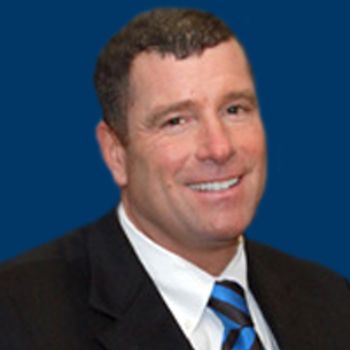
R. Lor Randall, MD, FACS, discusses ongoing studies and treatment options in the orthopedic oncology landscape.
Jonathan Riess, MD, MS, discusses ongoing research with PARP inhibitors in lung cancer and potential biomarkers for this class of agents.

Richard Bold, MD, chief of the Division of Surgical Oncology, has been named Physician-in-Chief of the UC Davis Comprehensive Cancer Center.
Primo N. Lara, MD, associate director for translational research, UC Davis Comprehensive Cancer Center, discusses the potential role of IDO inhibitors in the treatment of patients with renal cell carcinoma.
Advances in treatment and supportive care have resulted in substantial improvements in cancer survival and a growing number of cancer survivors in the United States.
Researchers at the UC Davis Comprehensive Cancer Center are personalizing treatment using tumor xenografts in mice to test and identify more precise treatments for bladder cancer patients.
Clinical trial designs are transforming dramatically in order to expedite the discovery and validation of new predictive biomarkers for patients with non–small cell lung cancer and other types of solid tumors.
Thomas J. Semrad, MD, assistant professor, co-director, Phase I Program, UC Davis Health System, discusses the Serial Patient-Derived Xenografts to Understand Cancer Therapy Resistance (SPIDER) program at UC Davis Health System, aimed at understanding patient resistance to cancer therapies.
Moon S. Chen Jr., PhD, MPH, associate director, Population Research and Cancer Disparities, professor, UC Davis Comprehensive Cancer Center, discusses various disparities in cancer care in underserved populations.
Megan E. Daly, MD, assistant professor of radiation oncology, UC Davis Cancer Center, discusses upcoming clinical trials involving radiation therapy for the treatment of lung cancer.
Jeanine Stiles, chief administrative officer, associate director for administration, UC Davis Comprehensive Cancer Center, discusses the importance of supportive care for patients with cancer.
Clinical trial designs are undergoing a dramatic transformation geared toward the discovery and validation of new predictive biomarkers.
A number of clinical trials are now assessing PD-1 and PD-L1 inhibitors in combination with chemotherapy, targeted therapies, and radiation therapy in an attempt to further improve outcomes for patients with non–small cell lung cancer.

The rise of oral anticancer agents is revolutionizing cancer treatment for both patients and cancer care providers. Patients can take their medications in the comfort of their own homes without the need for needles, long stints in infusion chairs or intensive nursing oversight.
David R. Gandara, MD, Professor of Medicine, Division of Hematology and Oncology, Director, Thoracic Oncology Program, Associate Director, Clinical Research, UC Davis Comprehensive Cancer Center, discusses examining third-generation EGFR TKIs in lung cancer.
Jonathan Riess, MD, MS, Assistant Professor of Medicine, Hematology and Oncology, UC Davis Comprehensive Cancer Center, discusses PD-L1 expression in a thymoma tissue microarray.