
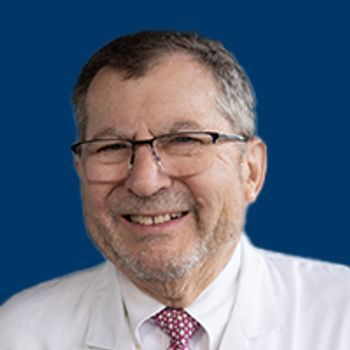
Hyman B. Muss, MD, discusses the potential benefits of metronomic chemotherapy and which patients with metastatic breast cancer could be candidates, as well as how to approach end-of-life conversations and decisions for patients.
Hyman B. Muss, MD, discusses the potential benefits of metronomic chemotherapy and which patients with metastatic breast cancer could be candidates, as well as how to approach end-of-life conversations and decisions for patients.
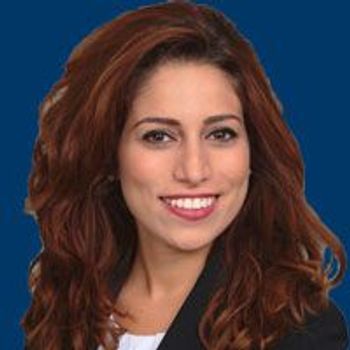
Yara Abdou, MD, discusses the racial and clinical analysis of the RxPONDER trial, the need to further investigate the factors that create racial disparities in breast cancer, and the importance of enrolling minority populations onto clinical trials.
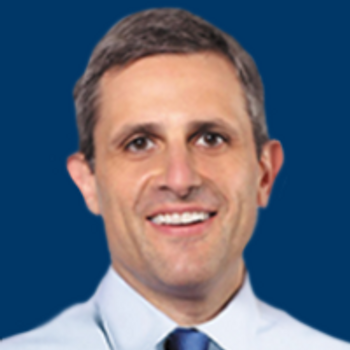
For Kevin Kalinsky, MD, MS, director of breast medical oncology at the Winship Cancer Institute of Emory University in Atlanta, Georgia, his work on the RxPONDER trial serves as one of a few accomplishments for which he is grateful that have impacted clinical care.
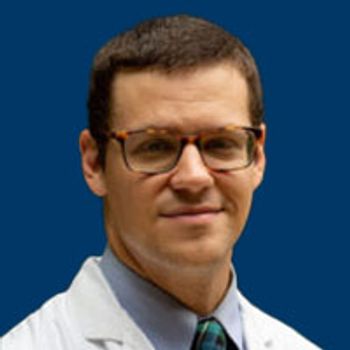
Oncology fellows at the University of North Carolina turned their despair over the murders of George Floyd and Breonna Taylor into an effort to improve racial equity.
The combination of PDS0101 and pembrolizumab led to encouraging responses and favorable safety with no grade 3 or greater treatment-related adverse effects in patients with checkpoint inhibitor–naïve HPV16-positive recurrent or metastatic head and neck squamous cell carcinoma, according to findings from a prespecified interim analysis of the phase 2 VERSATILE-002 study.
Yara Abdou, MD, discusses the significance of the phase 3 DESTINY-Breast03 trial in HER2-positive breast cancer.
Dr Coombs discusses research that was presented at the 2021 ASH Annual Meeting and Exposition in chronic lymphocytic leukemia, including that with covalent and noncovalent BTK inhibitors, COVID-19 vaccinations, and time-limited combinations.
Jared Weiss, MD, discusses the design of the phase 3 KRYSTAL-10 trial in KRAS G12C-mutated unresectable or metastatic colorectal cancer.
Jared Weiss, MD, sheds light on the exploration of adagrasib as a monotherapy and in combination with cetuximab in patients with KRAS G12C–mutated metastatic colorectal cancer, key findings from the KRYSTAL-1 study, and next steps for research.
Dr. Coombs discusses research that will be presented at the upcoming 2021 ASH Annual Meeting and Exposition in chronic lymphocytic leukemia, including that with covalent and noncovalent BTK inhibitors, COVID-19 vaccinations, and time-limited combinations.
Jared Weiss, MD, discusses the rationale for the phase 1/2 KRYSTAL-1 trial in patients with KRAS G12C–mutated colorectal cancer.
Jared Weiss, MD, discusses the efficacy results of the ongoing phase 1/2 KRYSTAL-1 trial in KRAS G12C–mutated colorectal cancer.
Catherine Callaghan Coombs, MD, discusses the rationale for the BRUIN study, key efficacy and safety findings, and next steps with pirtobrutinib in chronic lymphocytic leukemia.
Chad V. Pecot, MD, discusses selecting between available targeted therapies in RET-, KRAS-, and MET exon 14 skipping–mutant non–small cell lung cancer.
Catherine Callaghan Coombs, MD, discusses the efficacy results of the ongoing phase 1/2 BRUIN study with pirtobrutinib in chronic lymphocytic leukemia.
Chad V. Pecot, MD, discusses addressing mechanisms of resistance with new targeted therapies in non–small cell lung cancer.
Lisa A. Carey, MD, FASCO, discusses the updated results of the phase 3 PALOMA-3 trial in hormone receptor–positive, HER2-positive breast cancer.
Joshua F. Zeidner, MD, discusses the risk of transformation to acute myeloid leukemia in higher-risk myelodysplastic syndromes.
Joshua F. Zeidner, MD, discusses the role that HMAs have played in the MDS treatment landscape and shared data reported with promising emerging agents like pevonedistat that can be combined with HMAs to improve outcomes for certain patient subsets.
Lisa A. Carey, MD, FASCO, discusses the phase 3 monarchE trial in hormone receptor–positive, HER2-negative breast cancer.
Chad V. Pecot, MD, discusses the growth of actionable targets in lung cancer.
Lisa A. Carey, MD, FASCO, discusses the clinical implications of the phase 3 FeDeriCa trial in HER2-positive breast cancer.
Dr. Weiss discusses the significance of the FDA approval of trilaciclib in extensive-stage small cell lung cancer and key efficacy and safety data that have been reported with the CDK4/6 inhibitor.
Jared Weiss, MD, discusses the FDA approval of trilaciclib in small cell lung cancer.
Jared Weiss, MD, discusses key trials in nonsquamous non–small cell lung cancer in depth and their impact on the field.
Chad Pecot, MD, assistant professor, Department of Medicine, University of North Carolina (UNC) Lineberger Comprehensive Cancer Center, discusses the frontline standard of care in advanced squamous non–small cell lung cancer (NSCLC).
Michael S. Lee, MD, assistant professor of medicine, Department of Molecular Therapeutics, UNC Lineberger Comprehensive Cancer Center, discusses tailoring treatment to tumor sidedness in patients with metastatic colorectal cancer.
Michael S. Lee, MD, sheds light on the treatment options available in the metastatic colorectal cancer space and highlights strategies poised to improve patient outcomes.
Peter Voorhees, MD, discusses the clinical potential of adding daratumumab to bortezomib, lenalidomide, and dexamethasone in patients with multiple myeloma.
Peter Voorhees, MD, professor of medicine, UNC Lineberger Comprehensive Cancer Center, discusses the safety run-in of the Griffin study looking at daratumumab in myeloma.