
Brian Rini, MD, details recent data in renal cell carcinoma surrounding the utility of KIM-1 as a potential biomarker and next steps for KIM-1 research.
Brian Rini, MD, details recent data in renal cell carcinoma surrounding the utility of KIM-1 as a potential biomarker and next steps for KIM-1 research.
Mary Philip, MD, PhD, discusses research on the key transcriptional and epigenetic programs that regulate CD8 T cell fate decisions in cancer models.

Christine M. Lovly, MD, PhD, discusses the investigation of the EGFR inhibitor BDTX-1535 in patients with non–small cell lung cancer.
Muhamed Baljevic, MD, FACP, discusses the phase 3 PERSEUS trial in patients with previously untreated multiple myeloma.
Muhamed Baljevic, MD, FACP, discusses the investigation of frontline quadruplet therapies in transplant-ineligible multiple myeloma.
Muhamed Baljevic, MD, FACP, discusses the evolution of quadruplet combination therapies in frontline multiple myeloma.
Katie S. Gatwood, PharmD, BCOP, explains next steps with novel agents in the hematologic oncology field that have the potential to change practice.
Carrie L. Kitko, MD, discusses the use of obecabtagene autoleucel for pediatric patients with relapsed/refractory B-cell acute lymphoblastic leukemia.
Carrie L. Kitko, MD, discusses the current standing of cellular therapies in adult and pediatric ALL and looks toward future developments.
Sattva S. Neelapu, MD, discusses mechanisms of resistance to CAR T-cell therapies in lymphoma and how these areas of need may be addressed.
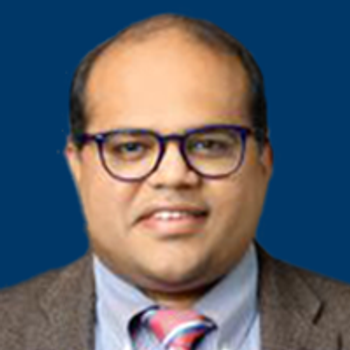
Ashwin Kishtagari, MD, discusses the treatment of patients with myelofibrosis following progression on ruxolitinib.
Kathryn Beckermann, MD, PhD, discusses ongoing studies investigating the role of TREM2 in the treatment of patients with clear cell renal cell carcinoma.
Olalekan O. Oluwole, MBBS, MD, discusses the feasibility of using CAR T-cell therapy in patients with nonhematologic autoimmune disorders.
Andrew P. Jallouk, BS, MD, PhD, discusses research assessing post-transplant relapse prevention strategies in patients with hematologic malignancies.
Kateryna Fedorov, MD, discusses considerations when deciding between quizartinib and midostaurin for patients with FLT3-mutated AML.
Patients with chronic lymphocytic leukemia who initiated therapy through an integrated health-system specialty pharmacy had high therapy adherence rates.
Somedeb Ball, MBBS, discusses the benefits of luspatercept for patients with anemia due to a myelodysplastic syndrome.
Bhagirathbhai Dholaria, MBBS, discusses the benefits and limitations of liso-cel for patients with relapsed/refractory chronic lymphocytic leukemia.
Speculation on the impact of large language models or artificial intelligence in the future of health care is commonplace, causing excitement and concern.
Brian I. Rini, MD, FASCO, shares the importance of the FDA approval of belzutifan in patients with advanced renal cell carcinoma.
Brian I. Rini, MD, FASCO, discusses the background that led to the FDA approval of belzutifan for patients with advanced renal cell carcinoma.
Brian I. Rini, MD, FASCO, discusses the research that led to the FDA approval of belzutifan for patients with advanced renal cell carcinoma.
Kathryn Beckermann, MD, PhD, discusses the treatment of PY314 in combination with pembrolizumab in patients with clear cell renal cell carcinoma.

Drs Kitko and Patel discuss graft-versus-host disease recognition, treatment selection, and ongoing research with novel agents and biomarkers of response.
Emily Arner, PhD, discusses research on the role of SETD2 loss in metastatic clear cell renal cell carcinoma ccRCC.
Bhagirathbhai Dholaria, MBBS, discusses the ongoing evaluation of noncovalent BTK inhibitors in patients with chronic lymphocytic leukemia.
As the treatment paradigm in urothelial cancer expands to include agents directed at various targets, NECTIN-4 has emerged as a promising treatment target.
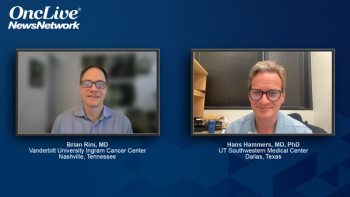
Experts close the discussion by sharing insights on the future in advanced RCC, emphasizing the development of emerging agents and combination regimens for the treatment landscape.
Drs Rini and Hammers discuss additional clinical readouts from the 2023 IKCS: North America meeting including emerging agents for advanced RCC such as belzutifan and zanzalitinib.
It is never too early to think about interviewing for your next opportunity. Even if you have already committed to your next career move, learning how to interview will serve you well as you may be considered for different positions within the organization.