Sponsored
Advertisement

Sponsored Content
The study alters the existing paradigm that CDK1-Cyclin B1 is the only CDK-cyclin complex essential for all stages of mitosis.

Systematic identification of minor histocompatibility antigens informs outcomes after allogeneic stem cell transplantation.
Advertisement
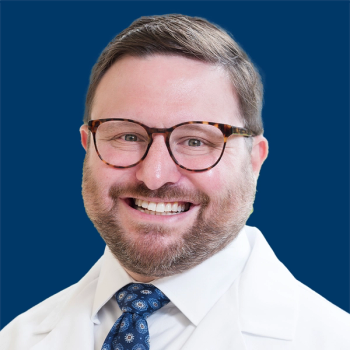
Eric Goodlev, MD, has joined Fox Chase Cancer Center as an associate Professor in the Supportive Oncology and Palliative Care Program.
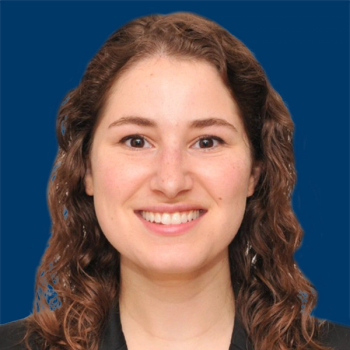
An international team of researchers led by Fox Chase Cancer Center evaluated practice patterns and the management of dermatofibrosarcoma protuberans.
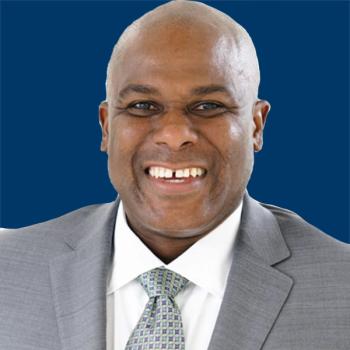
Third year in a row cancer center has been ranked on this listing, based on employee surveys.
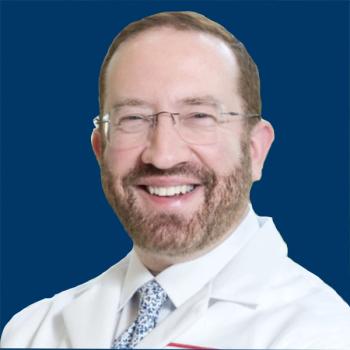
Richard Bleicher, MD, FACS, Clinical Director of the Breast Service Line, has been promoted to Division Chief of Breast Surgery.
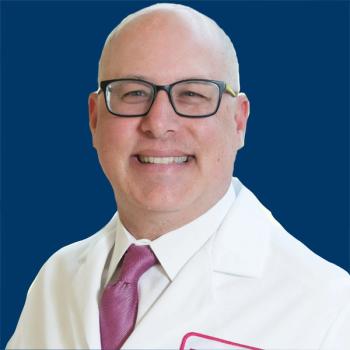
Michael Seidman, MD, has joined Fox Chase Cancer Center as a Professor in the Department of Hematology/Oncology.
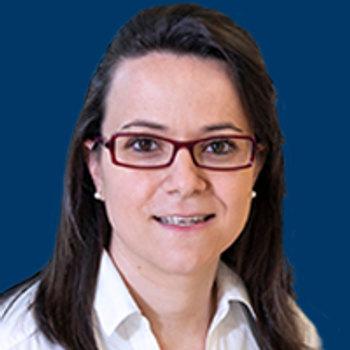
Lucia Borriello, PhD, an Assistant Professor at the Lewis Katz School of Medicine at Temple University and Fox Chase Cancer Center, has received a $150,000 grant to explore chemotherapy’s role in cancer relapse.
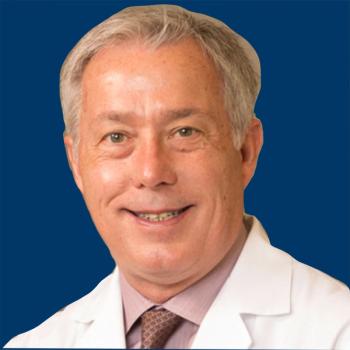
Tennessee Cancer Specialists, the third largest oncology practice in the state, strengthens its ability to deliver cutting-edge advanced care by joining The Network.
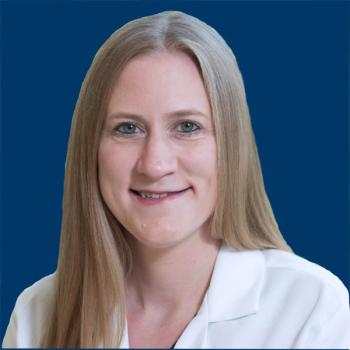
Fox Chase Cancer Center is pleased to announce the hiring of Michelle Pedersen, DO, as a hospitalist and Assistant Professor in the Division of Hospital Medicine within the Department of Medicine.
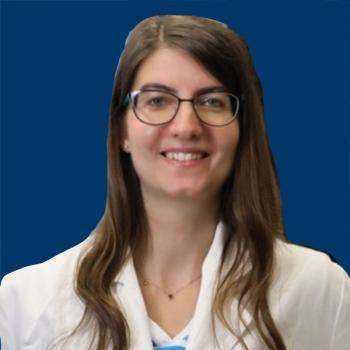
LSU Health New Orleans Announces Groundbreaking Research on Remdesivir’s Novel Immunological Effects
LSU Health New Orleans is proud to announce the publication of a groundbreaking study led by Giulia Monticone PhD in the prestigious journal EMBO Reports.
New START early-phase clinical trial site brings advanced cancer research to Northwell’s Cancer Institute, increases patient access
The HHS competition evaluated the effectiveness of Ochsner Connected MOM in increasing blood pressure monitoring during pregnancy and the postpartum period.
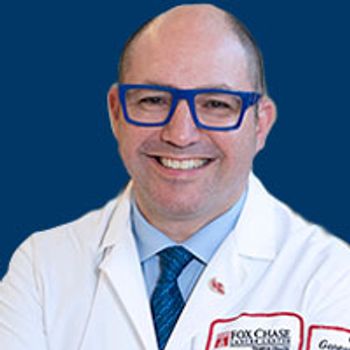
Jeffrey M. Farma, MD, FACS, has been appointed Chair of Surgery at Fox Chase Cancer Center.
Using multiomics, the team identifies novel therapeutic targets in castration-resistant prostate cancer.
A study found stage 3 colon cancer patients with PIK3CA mutations taking celecoxib post-surgery had longer survival and disease-free intervals.
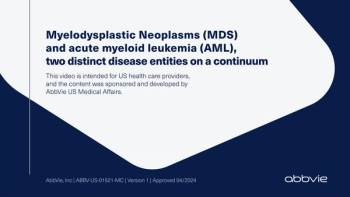
Myelodysplastic neoplasms (MDS; also known as Myelodysplastic Syndromes), and acute myeloid leukemia (AML) are two related but distinct disease entities requiring differential treatment approaches. Watch this video to find out more on the biological, morphological, and clinical differences between the two diseases, and why patient-centric, tailored treatment approaches are important to manage patients with either MDS or AML.
Researcher and clinician, Dr. Francis Worden, reflects on advancements in the treatment of patients with radioactive iodine-refractory differentiated thyroid cancer (RAI-R DTC) and the value of real-world data to provide insights from clinical practice
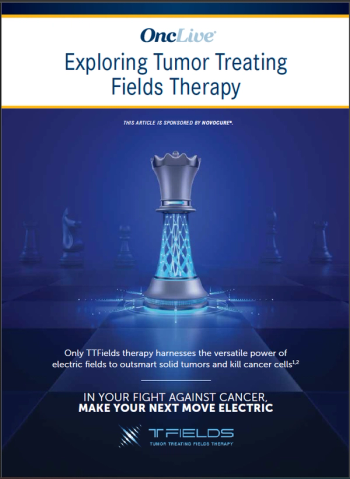
THIS ARTICLE IS SPONSORED BY NOVOCURE®. This article includes expert insights from Moshe Giladi, PhD; and Narasimha Kumar Karanam, PhD, BCMAS. Giladi, Novocure’s Chief Science Officer, oversees Novocure’s preclinical research organization and manages external research partnerships and Novocure’s biostatistics and data management teams. Karanam is Novocure’s Medical Science Liaison and has researched the mechanisms of action underlying tumor treating fields therapy.
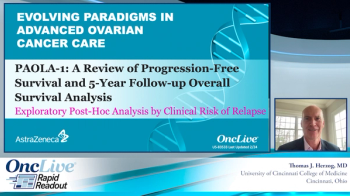
Thomas J. Herzog, MD, examines the PAOLA-1 trial results, focusing on the primary endpoint of progression-free survival (PFS) and key secondary endpoint of overall survival for olaparib in combination with bevacizumab for the treatment of advanced ovarian cancer. He discusses the 5-year overall survival data in relation to the PFS data and reviews the safety profile of the combination therapy with over 5 years of median follow-up. Dr. Herzog also considers the impact of these data on clinical decision-making and patient counseling from the perspective of a practicing gynecologic oncologist.
Advertisement
Advertisement
Trending on OncLive
1
The OncFive: Top Oncology Articles for the Week of 10/11
2
VOLGA, DASL-HiCaP Data Highlight Key Genitourinary Cancer Presentations Arriving at ESMO 2026
3
Alternative Cemiplimab Dosing Strategy Receives CHMP Recommendation in Multiple Cancer Types
4
CHMP Recommends Approval of Daraxonrasib for Previously Treated Metastatic Pancreatic Cancer
5