
Opinion|Videos|November 23, 2026
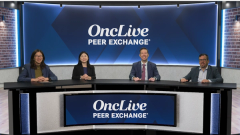
Brain Metastases and Outpatient Delivery of Tarlatamab in ES-SCLC
Panelists discuss the inclusion of patients with asymptomatic, untreated brain metastases in the pivotal tarlatamab maintenance trial, an unusual design choice in small cell lung cancer that contrasts with other maintenance studies that excluded these patients.
Advertisement
Episodes in this series
Panelists discuss the inclusion of patients with asymptomatic, untreated brain metastases in the pivotal tarlatamab maintenance trial, an unusual design choice in small cell lung cancer that contrasts with other maintenance studies that excluded these patients. They review emerging evidence of intracranial activity with tarlatamab and explain how it may open conversations about sparing or delaying brain radiation and its long-term cognitive effects, particularly as patients live longer. Faculty note that in the relapsed setting, baseline brain metastases did not appear to affect survival outcomes with tarlatamab. The conversation then shifts to the practical move from inpatient to outpatient administration. Panelists consider shortened post-infusion monitoring windows in light of when cytokine release syndrome typically occurs, and describe how they select appropriate candidates based on proximity to the treating center, caregiver support, and the ability to seek prompt care. They also emphasize that some patients still warrant hospital admission for initial dosing.
Advertisement
Related to this article

The top 5 OncLive TV videos of the week cover insights in NSCLC, HER2+ gastroesophageal cancer, low-grade glioma, HR+ breast cancer, and CML.
The FDA approved giredestrant plus everolimus in ESR1-mutated breast cancer and neladalkib in ALK+ NSCLC, issued a CRL to ivonescimab, and more.

Daraxonrasib plus gemcitabine/nab-paclitaxel yielded a 60.7% ORR and 12.8-month median PFS in first-line metastatic pancreatic adenocarcinoma.

Sac-TMT improved OS vs treatment of physician’s choice in pretreated gastroesophageal adenocarcinoma, but TroFuse-015 missed its PFS secondary end point.

A gift to MD Anderson Cancer Center supports innovative pancreatic cancer research.

Gynecologic oncologists answer FAQs on LGSOC targeted therapy, PARP inhibitor maintenance, and emerging ADCs in ovarian cancer.

Did you catch all of this week's top oncology news? Test your knowledge with OncLive's Weekly News Quiz.
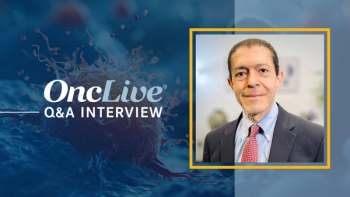
Jorge Cortes, MD, discusses response-based ponatinib dosing, mutation testing, and managing cardiovascular risk in resistant CML.
Advertisement
Advertisement
Trending on OncLive
1
Daraxonrasib Plus Gemcitabine/Nab-Paclitaxel Generates Durable Responses in First-Line Metastatic PDAC
2
Five Under 5: Top Oncology Videos for the Week of 11/20
3
TroFuse-015 Meets Primary OS End Point With Sac-TMT in Third-Line or Later Gastroesophageal Adenocarcinoma
4
Dr Gutierrez on Considerations for Investigating SAR445877 in MSS CRC
5