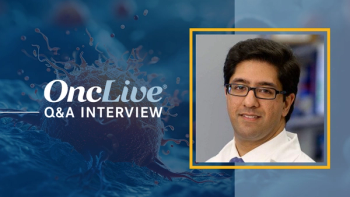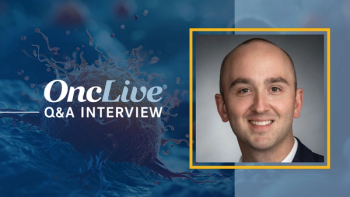
Benjamin Weinberg, MD, discusses the FDA approval of daraxonrasib, RASolute 302 survival data, safety considerations, and future RAS-targeted therapies in pancreatic cancer.
Previous studies have demonstrated that patients who have recurrent or metastatic squamous-cell head and neck cancer (SCHNC) that is resistant to platinum-based chemotherapy can be treated effectively with cetuximab. Belgian researchers hoped to discover whether cetuximab plus platinum-based chemotherapy would be an effective first-line treatment in patients with SCHNC.
Click here to view as PDF.
Phase III
Previous studies have demonstrated that patients who have recurrent or metastatic squamous-cell head and neck cancer (SCHNC) that is resistant to platinum-based chemotherapy can be treated effectively with cetuximab. Belgian researchers hoped to discover whether cetuximab plus platinum-based chemotherapy would be an effective first-line treatment in patients with SCHNC. They conducted a randomized double-blind study that enrolled 442 patients with untreated recurrent or metastatic SCHNC.
On day 1 of the trial, 220 patients received 100 mg/m2 cisplatin or a 1-hour intravenous (IV) infusion of carboplatin at an area under the timeplasma concentration curve of 5 mg/mL per minute plus 1000 mg/ m2 fluorouracil for 4 days every 3 weeks. Patients received a maximum of 6 cycles. The remaining 222 patients received the same chemotherapy regimen for 6 cycles, with the addition of cetuximab at an initial dose of 400 mg/ m2 as a 2-hour IV infusion, followed by a weekly 1-hour 250 mg/m2 IV infusion. Cetuximab therapy was continued until patients experienced either unacceptable toxic effects or disease progression.
P
P
P
Median overall survival for patients who received cetuximab plus platinum-based chemotherapy with fluorouracil was significantly longer, at 10.1 months compared with 7.4 months for patients in the chemotherapy- only arm (HR for death, 0.80; 95% CI, 0.64 to 0.99; = .04). Cetuximab also extended PFS from 3.3 months to 5.6 months (HR, 0.54; <.001). The cetuximab group also had an 80% better response rate than the group that received chemotherapy alone (36% vs 20% respectively, <.001).
P
The most common serious adverse events included anemia, neutropenia, and thrombocytopenia; incidence rates did not differ significantly between the 2 regimens. However, more patients in the cetuximab group than the chemotherapy-only group developed sepsis (9 patients vs 1 patient; = .02). The researchers concluded that cetuximab plus platinum-based fluorouracil chemotherapy as a first-line treatment for recurrent or metastatic SCHNC improved overall survival and PFS compared with platinum-based fluorouracil chemotherapy alone.
Vermorken JB, Mesia R, Rivera F, et al. Platinum-based chemotherapy plus cetuximab in head and neck cancer.
2008;359(11):1116- 1127.
N Engl J Med.
over 16 years ago
Colon Cancer Oncogene Identifiedover 16 years ago
Findings Implicate Virus as Skin Cancer Causeover 16 years ago
Stanford Researchers Lock on to Novel Leukemia Treatment Targetover 16 years ago
Study Links Hepatitis B Exposure to Increased Pancreatic Cancer Riskover 16 years ago
Staying Focused in Turbulent Timesover 16 years ago
Home Sales: It%u2019s A Buyer%u2019s Marketover 16 years ago
How Have Pharmaceutical Giants Fared as the Stock Market Roils?over 16 years ago
Gardasil Indications Expanded to Include Vaginal and Vulvar Cancers