Now Playing
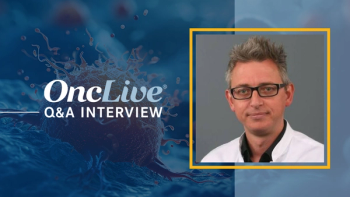
Dr. Jason Sicklick from UC San Diego introduces this OncLive Peer Exchange program addressing the evolving post-third-line GIST landscape, joined by sarcoma experts Dr. Mark Agulnik, Dr. Neeta Somaiah, Dr. Michael Heinrich, Dr. Seth Pollack, and Dr. Brian Schulte. The discussion focuses on the first positive Phase 3 second-line trial in over two decades currently under FDA review.
Dr. Jason Sicklick from UC San Diego introduces this OncLive Peer Exchange program addressing the evolving post-third-line GIST landscape, joined by sarcoma experts Dr. Mark Agulnik, Dr. Neeta Somaiah, Dr. Michael Heinrich, Dr. Seth Pollack, and Dr. Brian Schulte. The discussion focuses on the first positive Phase 3 second-line trial in over two decades currently under FDA review.
The panelists establish context for the remarkably stable 6-year period since ripretinib's 2020 approval, which allowed community and academic oncologists to align guidelines and familiarize themselves with the 4-drug sequence and toxicity management strategies. This stability facilitated consistent practice patterns across different settings.
Dr. Heinrich explains that the inflection point has arrived due to better understanding of previous studies, particularly the INTRIGUE trial's ctDNA analyses that identified which patients responded to different drugs. This knowledge set the stage for testing combination therapy concepts, representing a fundamental shift from sequential monotherapy approaches.
The landscape change stems from sophisticated dissection of resistance mechanisms and patient selection criteria that emerged from analyzing why certain treatments succeeded or failed in specific molecular contexts. This deeper understanding enabled rational design of combination strategies targeting multiple resistance pathways simultaneously.
The session aims to address practical questions clinicians navigate regarding molecular testing implementation, toxicity management strategies, and transitions between therapy lines while incorporating emerging combination data into established treatment paradigms.