
Opinion|Videos|June 25, 2026 (Updated: June 18, 2026)
Ripretinib's Role in Fourth-Line Treatment of GIST
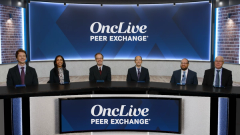
Dr. Pollack characterizes ripretinib as an outstanding fourth-line agent that filled a critical unmet need in post-third-TKI progression settings. Before ripretinib's availability, patients lacked effective treatment options after exhausting the first three lines of therapy.
Advertisement
Episodes in this series
Dr. Pollack characterizes ripretinib as an outstanding fourth-line agent that filled a critical unmet need in post-third-TKI progression settings. Before ripretinib's availability, patients lacked effective treatment options after exhausting the first three lines of therapy.
The INVICTUS trial demonstrated remarkable efficacy with significant overall survival improvement (15 versus 6 months) and progression-free survival benefit (6 months versus 1 month) compared to placebo. The 85% reduction in progression or death risk (HR 0.15) represents unprecedented magnitude in this treatment-refractory population.
Ripretinib's excellent tolerability profile supports durability of treatment, with grade 3/4 treatment-related adverse events being uncommon (lipase increase 5%, hypertension 4%, fatigue 2%) and low discontinuation rates enabling patients to remain on therapy for extended periods.
The drug's unique switch-control mechanism differentiates it from predecessor agents by binding both the switch pocket and activation loop, providing coverage against primary and secondary KIT/PDGFRA mutations. This includes activation-loop mutations (exons 17/18) that typically require type I inhibitor activity.
Post-progression dose escalation from 150mg daily to 150mg twice daily showed extended median progression-free survival by 3.7 months in the INVICTUS IPDE sub-study, providing additional treatment option without requiring new agents. Despite doubling the dose, tolerability remained manageable for most patients already established on monotherapy dosing.
Advertisement
Related to this article

Researchers at Wake Forest University School of Medicine identified a protein that may help breast cancer spread to the brain and evade immune defenses.

Benjamin Weinberg, MD, discusses the FDA approval of daraxonrasib, RASolute 302 survival data, safety considerations, and future RAS-targeted therapies in pancreatic cancer.
Half of lenalidomide-refractory patients with 1 to 3 prior lines remained alive and progression free at least 5 years after a single cilta-cel infusion.

Andrew Kuykendall, MD, discusses the FDA approval of rusfertide and how to apply it in clinical practice for polycythemia vera management.

An NDA seeks FDA approval of savolitinib plus osimertinib for EGFR-mutated NSCLC with MET overexpression or amplification after EGFR TKI therapy.

Jason Hafron, MD, discusses the emotional, clinical, and financial burden of false positive cancer screening results and improved risk stratification.

Raajit K. Rampal, MD, PhD, discusses JAK inhibitor choice in cytopenic myelofibrosis, emerging combinations, and anemia-directed agents.

The sNDA for elinzanetant seeks FDA approval for moderate-to-severe vasomotor symptoms in women receiving endocrine therapy for HR-positive breast cancer.
Advertisement
Advertisement
Trending on OncLive
1
China's NMPA Approves Pirtobrutinib Across CLL
2
FDA Grants Priority Review to Elinzanetant for Endocrine Therapy–Associated Vasomotor Symptoms in HR+ Breast Cancer
3
Long-Term PERSEUS Data Confirm Durable PFS Benefit With D-VRd in Transplant-Eligible Newly Diagnosed Myeloma
4
Calculating the Real Cost of False Positive Findings in Cancer Screening
5