
Opinion|Videos|December 22, 2025
Defining Grade 1 Ocular Toxicities and When to Prioritize Baseline Eye Exams While Using ADCs
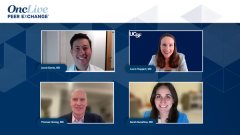
Ophthalmologists discuss the importance of grading dry eye symptoms and the necessity of eye exams before starting certain treatments.
Advertisement
Episodes in this series
In this segment, the panel offers practical guidance on identifying and grading early ocular toxicities in patients receiving antibody–drug conjugates (ADCs). Expert faculty explains that grade 1 symptoms—such as mild dryness, grittiness, intermittent blurry vision that improves with blinking, or subtle light sensitivity—generally signal superficial corneal changes and do not impair daily activities. These early symptoms should prompt clinicians to initiate the referral process to ophthalmology or optometry, even if an appointment may take several weeks.
The discussion then turns to whether ADC therapy should be delayed until after an eye exam. The ophthalmologist emphasizes the value of baseline assessments, noting that chemotherapy and prior cancer therapies commonly cause underlying ocular surface disease, making baseline documentation crucial for interpreting later changes. However, they also recognize the practical challenge of delaying urgently needed cancer treatment. The panelists highlight that some ADCs, such as mirvetuximab soravtansine and tisotumab vedotin, require baseline eye exams, whereas others—like datopotamab deruxtecan—allow treatment initiation with ophthalmologic evaluation soon after.
Advertisement
Related to this article
The FDA approved pirtobrutinib for untreated chronic lymphocytic leukemia, granted priority review to elinzanetant for breast cancer hot flashes, and more.

The 2026 amendment adds 40 new recommendations, including active surveillance, office-based treatment, and chemoablation for select recurrent low-grade disease.
The FDA has approved pirtobrutinib for the treatment of adult patients with previously untreated CLL or SLL harboring no known 17p deletion.

By finding a way to attack the most important human oncogene, KRAS, the UCSF chemical biologist launched a new era in cancer treatment.

TRE-515 earned fast track status in combination with KRAS inhibitors for G12C-mutated NSCLC after anti–PD-(L)1 therapy and platinum-based chemotherapy.

An NDA for zipalertinib in EGFR exon 20 insertion–positive NSCLC is being supported by phase 3 REZILIENT3 data.

Did you catch all of this week's top oncology news? Test your knowledge with OncLive's Weekly News Quiz.

Aglatimagene besadenovec plus EBRT was linked to a 41% lower risk of prostate cancer recurrence or death, alongside durable immune activity.
Advertisement
Advertisement
Trending on OncLive
1
FDA Approves Pirtobrutinib for Previously Untreated CLL/SLL
2
The OncFive: Top Oncology Articles for the Week of 9/27/2026
3
AUA Releases Guideline Amendment for NMIBC
4
FLORA-2 Updates at World Lung: Biomarker Analysis, Safety Follow-Up, and ctDNA Monitoring
5