
Opinion|Videos|February 3, 2026
Multidisciplinary Collaboration for Identifying and Managing ADC-Related Ocular Toxicities
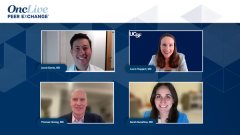
Oncology care thrives on teamwork, emphasizing patient education and communication to manage treatment-related ocular toxicities effectively.
Advertisement
Episodes in this series
In this segment, the expert faculty emphasizes the essential role of multidisciplinary collaboration in detecting and managing ocular toxicities associated with antibody–drug conjugates (ADCs). They highlight that oncology care teams—particularly nurses, nurse practitioners, and pharmacists—are central to capturing early symptoms, triaging urgency, and ensuring appropriate referral to ophthalmology or optometry. The faculty notes that while oncologists introduce toxicities during initial counseling, it is often the extended care team who reinforce education, review supportive care plans, and confirm patient understanding through interactive discussions rather than passive handouts.
The panel underscores the importance of tailoring team workflows to the specific ADC being used, as toxicity severity, monitoring requirements, and supportive care measures differ among agents. By ensuring that all staff members understand these nuances, practices can more effectively guide patients, recognize warning signs, and coordinate timely evaluations. Ultimately, they stress that strong communication across disciplines enhances patient safety, supports adherence, and improves overall care quality.
Advertisement
Related to this article
The FDA approved pirtobrutinib for untreated chronic lymphocytic leukemia, granted priority review to elinzanetant for breast cancer hot flashes, and more.
The 2026 amendment adds 40 new recommendations, including active surveillance, office-based treatment, and chemoablation for select recurrent low-grade disease.
The FDA has approved pirtobrutinib for the treatment of adult patients with previously untreated CLL or SLL harboring no known 17p deletion.
By finding a way to attack the most important human oncogene, KRAS, the UCSF chemical biologist launched a new era in cancer treatment.

TRE-515 earned fast track status in combination with KRAS inhibitors for G12C-mutated NSCLC after anti–PD-(L)1 therapy and platinum-based chemotherapy.

An NDA for zipalertinib in EGFR exon 20 insertion–positive NSCLC is being supported by phase 3 REZILIENT3 data.
Did you catch all of this week's top oncology news? Test your knowledge with OncLive's Weekly News Quiz.
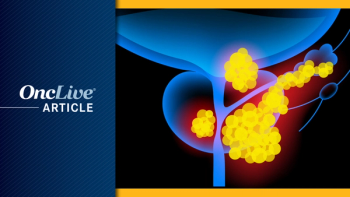
Aglatimagene besadenovec plus EBRT was linked to a 41% lower risk of prostate cancer recurrence or death, alongside durable immune activity.
Advertisement
Advertisement
Trending on OncLive
1
FDA Approves Pirtobrutinib for Previously Untreated CLL/SLL
2
The OncFive: Top Oncology Articles for the Week of 9/27/2026
3
AUA Releases Guideline Amendment for NMIBC
4
FLORA-2 Updates at World Lung: Biomarker Analysis, Safety Follow-Up, and ctDNA Monitoring
5