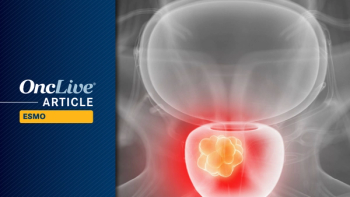
Experts spotlight the prostate and bladder cancer presentations they're most excited to see at the 2026 ESMO Congress.
Joseph Jacob, MD, MCR, discusses how emerging data for TAR-200 could represent a shift in the treatment paradigm for patients with high-risk non–muscle-invasive bladder cancer.
“[TAR-200] allows us to give steady, good doses in the bladder for a much longer period of time.”
Joseph Jacob, MD, MCR, a medical oncologist specializing in bladder cancer, discussed how the emerging data for TAR-200 could represent a significant shift in the treatment paradigm for patients with high-risk, non–muscle-invasive bladder cancer (NMIBC).
TAR-200, a novel intravesical drug delivery system utilizing gemcitabine, differs from traditional intravesical therapies, which are typically administered via catheter-based instillations held in the bladder for 1 to 2 hours. In contrast, TAR-200 provides sustained local drug release that may enhance therapeutic exposure and reduce the logistical burden on patients, Jacob explained.
Data from the phase 2b SunRISe-1 study (NCT04640623) presented by Jacob during the
The broader implications of these findings could include future updates to clinical guidelines, which currently prioritize radical cystectomy following lack of response to BCG; Jacob emphasized that the data for TAR-200 provide a strong argument for offering patients a bladder-sparing alternative, particularly given the durability and tolerability observed.
Furthermore, Jacob highlighted that TAR-200 introduces a new approach to the treatment of bladder cancer through the use of a device-based intravesical platform. This innovation could facilitate the delivery of not only gemcitabine but also other therapeutic agents in future clinical development.
Continued investigation into the long-term outcomes and broader applications of TAR-200 will be important to fully characterize its role in the NMIBC treatment landscape, Jacob concluded.