Brandon Huffman, MD, discusses INCB161734’s mechanism of action, phase 1 data, and the DAWN-303 trial design in KRAS G12D–mutated pancreatic cancer.
Supplements and Featured Publications

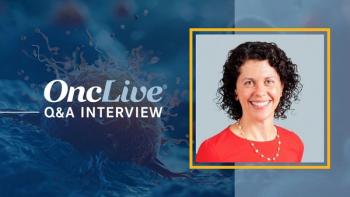
Priya Rastogi, MD, discusses a substudy evaluating a whole-exome sequencing, tumor-informed ctDNA MRD assay in TNBC after neoadjuvant chemotherapy.
“In practice, MRD gives us a much more precise and personalized way to talk with our patients. Instead of just relying on clinical and pathological features at baseline, we can incorporate a dynamic and biological marker that works with us regarding how the body reacts as it receives treatment for breast cancer.”
Priya Rastogi, MD, an associate professor of medicine at the University of Pittsburgh School of Medicine, as well as a medical oncologist at the University of Pittsburgh Medical Center Hillman Cancer Center, discussed findings from a circulating tumor DNA (ctDNA) substudy of the phase 3 NSABP B-59/GBG 96-GeparDouze trial (NCT03281954) evaluating a whole-exome sequencing, tumor-informed ctDNA minimal residual disease (MRD) assay in patients with early triple-negative breast cancer (TNBC) who received neoadjuvant chemotherapy with or without atezolizumab (Tecentriq).
The analysis, findings from which were presented at the
Rastogi emphasized that MRD testing offers a more precise and personalized framework for patient counseling, supplementing baseline clinical and pathologic features with a dynamic, biological marker reflecting treatment response. For patients with MRD-positive disease, she explained, these results may open discussions regarding clinical trial enrollment or, as evidence matures, treatment intensification. Conversely, for patients with MRD-negative disease, the findings can provide reassurance of favorable outcomes and may help avoid overtreatment, Rastogi concluded.