Experts spotlight the prostate and bladder cancer presentations they're most excited to see at the 2026 ESMO Congress.
Fred Saad, MD, CQ, FRCS, FCAHS, discusses PSA end point data from the PSMAddition study in PSMA+ mHSPC
“What we want to be doing in these patients [who] are hormone sensitive is targeting [the] cancer as effectively as possible, and I [believe] this is more evidence that we’re doing the right thing for these patients.”
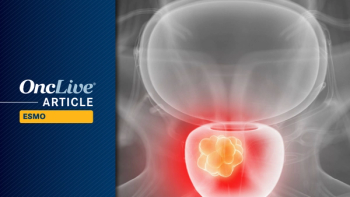
Fred Saad, MD, CQ, FRCS, FCAHS, the director of prostate cancer research at Montreal Cancer Institute and a full professor in the Department of Surgery at the Université de Montréal, discussed data from the prostate-specific antigen (PSA) end points of the phase 3 PSMAddition study (NCT04720157) of lutetium Lu 177 vipivotide tetraxetan (Pluvicto) in combination with androgen deprivation therapy (ADT) and an androgen receptor pathway inhibitor (ARPI) in PSMA-positive metastatic hormone-sensitive prostate cancer mHSPC.
PSMAddition previously met its primary end point, demonstrating a statistically significant 28% reduction in the risk of radiographic disease progression (HR, 0.72; 95% CI, 0.58-0.90; P = .002) with the addition of lutetium Lu 177 vipivotide tetraxetan to ADT plus an ARPI, Saad began. Overall survival data remain immature and updated analyses are anticipated; crossover to lutetium Lu 177 vipivotide tetraxetan was permitted at the time of progression, he explained.
Beyond the primary end point, Saad highlighted data for a series of PSA-based prespecified and post hoc end points that further substantiated the clinical benefit of the lutetium Lu 177 vipivotide tetraxetan–containing regimen. These data, which were presented during the
These findings collectively support the strategy of maximizing tumor suppression in hormone-sensitive disease as early as possible, Saad said. These data are compelling evidence that intensified targeting in mHSPC translates to meaningfully improved and more durable disease control, he concluded.