
Opinion|Videos|June 23, 2026
Final Clinical Takeaways on ADC Use
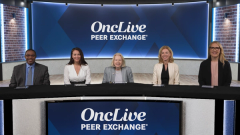
The final takeaways emphasize that antibody drug conjugates are becoming an increasingly important part of gynecologic cancer care, but their successful use depends on staying current with rapidly evolving data and recognizing that these agents are not interchangeable.
Advertisement
Episodes in this series
The final takeaways emphasize that antibody drug conjugates are becoming an increasingly important part of gynecologic cancer care, but their successful use depends on staying current with rapidly evolving data and recognizing that these agents are not interchangeable. Faculty stress that drugs with similar overall activity may carry very different toxicity profiles, and those differences have direct implications for patient counseling, supportive care, and treatment sequencing. Another major message is the importance of thinking beyond the immediate next line of therapy, since payload choice today may influence trial eligibility and later options tomorrow. Experience from other disease settings can also be valuable, particularly when it helps clinicians anticipate and manage toxicities before they become treatment limiting. Clinical trial participation remains essential because many of the most important questions about resistance, sequencing, duration of therapy, and optimal combinations remain unanswered. The overall conclusion is that antibody drug conjugates have opened meaningful new possibilities, but better evidence and careful clinical judgment will determine how fully those possibilities translate into improved patient care.
Advertisement
Related to this article

Benjamin Weinberg, MD, discusses the FDA approval of daraxonrasib, RASolute 302 survival data, safety considerations, and future RAS-targeted therapies in pancreatic cancer.

Half of lenalidomide-refractory patients with 1 to 3 prior lines remained alive and progression free at least 5 years after a single cilta-cel infusion.

Andrew Kuykendall, MD, discusses the FDA approval of rusfertide and how to apply it in clinical practice for polycythemia vera management.

An NDA seeks FDA approval of savolitinib plus osimertinib for EGFR-mutated NSCLC with MET overexpression or amplification after EGFR TKI therapy.

Jason Hafron, MD, discusses the emotional, clinical, and financial burden of false positive cancer screening results and improved risk stratification.

Raajit K. Rampal, MD, PhD, discusses JAK inhibitor choice in cytopenic myelofibrosis, emerging combinations, and anemia-directed agents.

The sNDA for elinzanetant seeks FDA approval for moderate-to-severe vasomotor symptoms in women receiving endocrine therapy for HR-positive breast cancer.

The NMPA has approved of pirtobrutinib in treatment-naive and previously treated CLL/SLL.
Advertisement
Advertisement
Trending on OncLive
1
Ifinatamab Deruxtecan BLA Voluntarily Withdrawn in Previously Treated Extensive-Stage SCLC
2
China's NMPA Approves Pirtobrutinib Across CLL
3
FDA Grants Priority Review to Elinzanetant for Endocrine Therapy–Associated Vasomotor Symptoms in HR+ Breast Cancer
4
Long-Term PERSEUS Data Confirm Durable PFS Benefit With D-VRd in Transplant-Eligible Newly Diagnosed Myeloma
5