The top 5 OncLive TV videos of the week cover insights in multiple myeloma, HR+ breast cancer, CAR T-cell therapy, CLL, and oral SERDs.
Most mornings, I’m up before the sun, rounding at the hospital. After morning rounds, I spend my day caring for dozens of patients, overseeing quality initiatives, and collaborating with research and industry partners—all as a community oncologist committed to the people in my hometown.
Community-based practices like mine, unaffiliated with hospitals or academic centers, are deeply rooted in the communities we serve. We offer care that is accessible, personal, and often more affordable—with shorter wait times and closer proximity to home. That matters, because more than half of Americans with cancer—55%—receive treatment in community oncology settings.1
And yet, while the pace of innovation in cancer care has never been faster, the systems and support structures around us haven’t always kept up. This innovation is welcome: the risk of dying from cancer has plummeted over the past three decades, and the outlook for many cancers has dramatically improved.2 But behind that progress is a rising tide of complexity. From my perspective, community oncologists are rising to the challenge, but we’re also increasingly asked to do more.3
In my own practice, I treat patients with a broad range of cancers—from breast and lung to colorectal and prostate. Like many of my colleagues, I create personalized treatment plans for each patient, stay current on rapidly evolving treatment protocols, and track a constant flow of new FDA-approved therapies. I also work to stay aware of thousands of ongoing clinical trials across the country in the hope that my patients might have the opportunity to access them.
A new survey, the Oncology Care Index, released by Johnson & Johnson and The Harris Poll, confirms what community oncologists like me are experiencing on the ground. According to the survey of 500 healthcare professionals working in oncology, 75% of HCPs find the pace of new treatment development overwhelming, and 70% say they struggle to navigate the complexities of cancer treatment guidelines.4 These challenges are not limited to one geography or practice setting—they span urban and rural, academic and community environments.
The demands are unrelenting. Science is accelerating.5 And the stakes, measured in lives, couldn’t be higher.
Innovation, of course, is a gift. I’ve watched it change everything. When I graduated from LSU in 1998, our arsenal against cancer was limited, and often intensive and toxic.
But in recent years, we’ve seen the rise of immunotherapies, CAR T-cell therapies, and the advent of precision medicine, DNA sequencing, liquid biopsies, and new AI tools to screen and predict common cancers.6 The changes I’ve witnessed during my career are dramatic—what was once science fiction is now reality.
These advancements are not just professional, they’re personal. During my residency at the University of North Carolina Chapel Hill, I trained with Dr John Powderly, one of the pioneers of immune checkpoint inhibitors. I remember watching biopsy slides showing immune cells surrounding, invading, and ultimately destroying tumors—a glimpse of what was possible.
Not long after, my mother was diagnosed with non-small cell lung cancer. She never had access to those therapies—she died before they became available. I often wonder how much more time we might have had together if she had been diagnosed just a few years later.
Today, the 5-year survival rate for lung cancer has more than doubled to approximately 32%.7,8 And given the pace of innovation, that figure will almost certainly climb further during my career.
But that progress means nothing if it doesn’t reach the patients who need it. And we need support at the point of care to make sure it does.
According to the Oncology Care Index, nearly three-quarters of HCPs say there’s a gap in the availability of new and cutting-edge treatments and the ability to implement them successfully in their practice.4 The survey found that the barriers are systemic, including reimbursement and funding constraints, complex workflows, and limited access to clinical trials. Nearly 30% of healthcare professionals said they do not know many qualified specialists that they can refer patients to in their area, and fewer than 3 out of 10 healthcare professionals report that their practice offers a robust range of clinical trial options for patients.4 Most either do not offer clinical trials or offer a limited amount.
Yet in the face of these challenges, community oncologists are stepping up with resilience and resourcefulness. Our proximity to patients and ability to act nimbly allows us to pioneer new approaches to cancer care—leveraging data science, AI, and real-world evidence to improve both access and outcomes. From pharmacy teams deploying large language models to update the National Comprehensive Cancer Network (NCCN) guidelines in real time, to data science experts structuring full patient records to support real-world evidence, we are building systems that help all of us, and our patients, stay ahead. We’re not waiting for change; we’re helping build it.
But we can’t do it alone. We need an ecosystem-wide commitment—from government, industry, clinicians, and technology partners—to ensure that the pace of innovation is matched by our ability to deliver it to every patient, in every setting. We need help from our life science partners to highlight these challenges and start to drive towards solutions. And we need investments in care coordination, smarter digital tools, expanded access to clinical trials, and sustainable reimbursement systems that support innovation at the point of care.
Because innovation alone doesn’t save lives. Delivery does. And to really deliver, we must ensure that every breakthrough reaches every patient without delay, no matter where they receive care.
*Dr Stephen (Fred) Divers has provided consulting, advisory, and speaking services to Johnson & Johnson.
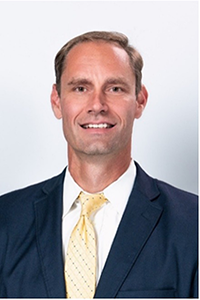
Dr Fred Divers
Chief Medical Officer
at American Oncology Network
Dr Divers is a Medical Oncologist with Genesis Cancer and Blood Institute. He joined the American Oncology Network in 2018 and became Advisory Board Chairman in 2020. He serves on the Board of Directors for the Community Oncology Alliance and is board-certified in medical oncology and hematology.
References