Patient-reported outcomes from the phase 3 lidERA trial show preserved functioning and less frequent joint pain with giredestrant vs standard endocrine therapy.
Supplements and Featured Publications
Dr Gross discusses the key biological and clinical distinctions between cutaneous squamous cell carcinoma and basal cell carcinoma.
Welcome to OncLive On Air®! I'm your host today, Caroline Seymour.
OncLive On Air is a podcast from OncLive®, which provides oncology professionals with the resources and information they need to provide the best patient care. In both digital and print formats, OncLive covers every angle of oncology practice, from new technology to treatment advances to important regulatory decisions.
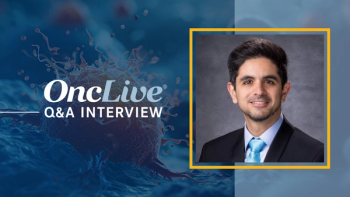
In today’s episode, we spoke with Neil D. Gross, MD, FACS. Dr Gross is the medical director of Perioperative Surgical Services, section chief of Oropharynx Cancer, Surgery, and professor of head and neck surgery at The University of Texas MD Anderson Cancer Center in Houston.
In our exclusive interview, Dr Gross discussed the key biological and clinical distinctions between cutaneous squamous cell carcinoma (CSCC) and basal cell carcinoma (BCC), noting that although BCC is more indolent and less responsive to systemic therapies, including immunotherapy, CSCC carries a meaningful risk of nodal and distant metastases and has demonstrated robust responses to anti–PD-1 therapy, with approximately half of patients achieving a significant response.
He emphasized the importance of early multidisciplinary evaluation, with resectability serving as a critical first branch point in treatment planning. For patients with unresectable or metastatic CSCC, anti–PD-1 therapy is now the established standard of care. For borderline resectable patients, such as those at risk for significant functional loss from surgery, upfront systemic therapy offers the potential to preserve function and achieve cure. For resectable, high-risk patients, Gross highlighted the role of adjuvant cemiplimab-rwlc (Libtayo) following surgery and radiation, based on data from the phase 3 C-POST trial (NCT03969004).
The discussion also addressed toxicity considerations in elderly and immunocompromised patients, populations Gross described as particularly high risk and underserved. He noted that although anti–PD-1 therapies are generally well tolerated, serious toxicities remain possible, underscoring the importance of careful patient monitoring in both adjuvant and investigational neoadjuvant settings.
Finally, Gross highlighted the actively accruing phase 3 NRG-HN014 trial (NCT06568172), a National Cancer Institute–sponsored cooperative group study open across the United States, Canada, and Australia, which is evaluating a neoadjuvant approach vs upfront surgery in patients with advanced resectable CSCC. He also noted that more mature data from C-POST, as well as long-term phase 2 neoadjuvant findings, are anticipated later this year.
That’s all we have for today! Thank you for listening to this episode of OncLive On Air. Check back throughout the week for exclusive interviews with leading experts in the oncology field.
For more updates in oncology, be sure to visit www.OncLive.com and sign up for our e-newsletters.
OncLive is also on social media. On X and BlueSky, follow us at @OncLive. On Facebook, like us at OncLive, and follow our OncLive page on LinkedIn.
If you liked today’s episode of OncLive On Air, please consider subscribing to our podcast on Apple Podcasts, Spotify, and many of your other favorite podcast platforms,* so you get a notification every time a new episode is posted. While you are there, please take a moment to rate us!
Thanks again for listening to OncLive On Air.
*OncLive On Air is available on: Apple Podcasts, Spotify, CastBox, Podcast Addict, Podchaser, RadioPublic, and TuneIn.
This content is a production of OncLive; this OncLive On Air podcast episode is supported by funding, however, content is produced and independently developed by OncLive.