

Opinion|Videos|August 28, 2026
Relapsed/Refractory Multiple Myeloma: Setting Expectations After CAR T-Cell Therapy
Author(s)Joshua Richter, MD, Marco Davila, MD, PhD
Dr. Joshua Richter and Dr. Marco Davila discuss how to counsel patients with relapsed/refractory multiple myeloma (RRMM) about recovery and long-term follow-up after CAR T-cell therapy.
Advertisement
Dr. Joshua Richter and Dr. Marco Davila discuss how to counsel patients with relapsed/refractory multiple myeloma (RRMM) about recovery and long-term follow-up after CAR T-cell therapy. Dr. Davila explains that although CAR T-cell therapy is often described as a "one-and-done" treatment, patients should understand that ongoing monitoring remains an important part of post-treatment care. He reviews the need for routine follow-up visits, laboratory assessments, surveillance for immune suppression, and evaluation for delayed toxicities, while noting that some patients may require interventions such as intravenous immunoglobulin replacement, antimicrobial support, or management of neurologic complications. At the same time, he emphasizes that most patients primarily require observation rather than intensive treatment after recovery. The discussion also highlights how increasing clinical experience with CAR T-cell therapy has improved the recognition and management of treatment-related toxicities, with the expectation that continued advances will further reduce long-term complications and lessen the burden of follow-up care for patients with RRMM.
Advertisement
Related to this article
Breast cancer experts address frequently asked questions on adjuvant and metastatic CDK4/6 inhibitor selection in HR-positive breast cancer.
The European Commission approved pembrolizumab plus enfortumab vedotin for muscle-invasive bladder cancer, irrespective of cisplatin eligibility.
Thoracic oncologists weigh how TROP2-directed antibody-drug conjugates fit into sequencing and combination strategies for EGFR-mutated NSCLC.
Patients with pancreatic cancer experience measurable changes in body composition years before diagnosis that differ from those seen in similar individuals without cancer.
Lisaftoclax plus acalabrutinib earned breakthrough therapy status in China for untreated CLL/SLL.
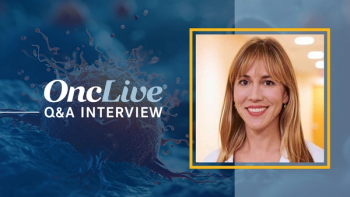
Andrea Cercek, MD, discusses the FDA approval of dostarlimab and its significance for dMMR locally advanced rectal cancer management.
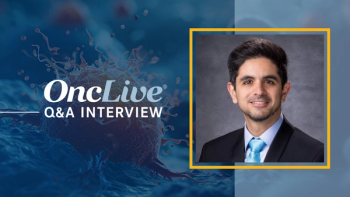
Fadi Haddad, MD, discusses TKI adherence barriers, adverse effect management, and the role of alternative TKI formulations in CML.
Updated ARC-20 data showed casdatifan activity as monotherapy and in combinations across treatment lines in advanced clear cell RCC.
Advertisement
Advertisement
Trending on OncLive
1
FDA Approval of Dostarlimab Brings Potential Organ-Sparing Approach in dMMR Locally Advanced Rectal Cancer
2
Casdatifan Demonstrates Activity in Advanced Clear Cell RCC
3
Treatment Tailoring and Weighing Alternative Formulations Support Optimal TKI Deployment in CML
4
HER2+ Maintenance Therapy Approvals and Innovative Brain Metastasis Care Reshape Breast Cancer Management
5