
Whereas the androgen receptor (AR) is a common target in prostate cancer, emerging findings are showing a potential role for targeting AR in breast cancer, as well.
Whereas the androgen receptor (AR) is a common target in prostate cancer, emerging findings are showing a potential role for targeting AR in breast cancer, as well.
Michael F. Press, MD, PhD, discusses issues with the ASCO-CAP guidelines on assessment of HER2 amplification by fluorescence in situ hybridization testing.
Dr. Elizabeth Swisher discusses biomarkers for PARP inhibitors and the evolving role of these agents in ovarian cancer.
Results of a phase I expansion study demonstrated a manageable safety profile and clinical activity with mirvetuximab soravtansine in the treatment of patients with platinum-resistant ovarian cancer.

Rovalpituzumab tesirine demonstrated encouraging single-agent antitumor activity with a manageable safety profile in the treatment of patients with recurrent small cell lung cancer.

Intentional weight loss in postmenopausal women has been found to be associated with a lower endometrial cancer risk, particularly among those with obesity, according to the results of a recent study published in the Journal of Clinical Oncology.

Anne Rositch, PhD, discusses important takeaways from her study on hysterectomy-corrected mortality rates in cervical cancer and the significance of cervical cancer screening.

The addition of hormonal therapy to radiation treatment following surgery significantly improved survival in patients with recurrent prostate cancer, according to the results of a study published in The New England Journal of Medicine.
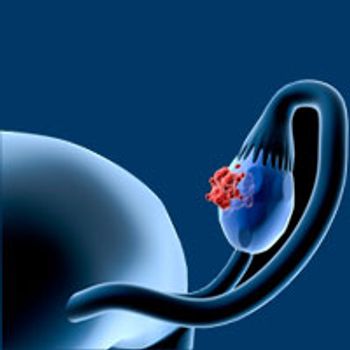
Diagnostic laparoscopy reduced the number of futile laparotomies in patients with suspected advanced-stage ovarian cancer, according to the results of a recent study.

A prostate-specific antigen nadir greater than 0.5 ng/mL following radiation and androgen deprivation therapy seems to identify men prior to PSA failure who are at high-risk for death, and would thus require more aggressive treatment for their prostate cancer.

Lois Ramondetta, MD, discusses the updated recommendations and the importance of advocating for lesser-known HPV-associated cancers.

Carolyn E. Banister, MD, discusses the results of a study that uncovered a new subtype of cervical cancer, as well as some of the remaining challenges in the overall treatment landscape.

A sharp decline has been observed in the overall rate of men receiving treatment for prostate cancer.

A direct assessment of the uterine microbiome in patients with endometrial cancer has revealed a potential predictive role for vaginal microbes.

A watch-and-wait approach is emerging as a potential treatment strategy for patients with rectal cancer.

In the current treatment landscape of HPV-positive oropharyngeal squamous cell carcinoma, there is a significant lack of biomarkers to predict recurrence.

As mortality rates continue to climb in endometrial cancer, there remains a pressing need for effective screening and diagnostics.

Anti-HER2 DC1 vaccination was demonstrated to be a safe and immunogenic treatment to induce tumor-specific T-cell responses in patients with HER2-positive breast cancer.

Roy Herbst, MD, PhD, discusses the next steps with pembrolizumab in NSCLC, PD-L1 testing, and managing increased toxicities with combination regimens.

According to Dimosthenis Andreou, MD, patients with pelvic Ewing sarcoma have poorer local control and poorer overall survival.

KTE-C19, an investigational CAR T-cell therapy, recently demonstrated positive results for patients with chemorefractory aggressive non-Hodgkin lymphoma.

Induction chemotherapy followed by reduced-dose radiation and weekly cetuximab demonstrated improved swallowing and nutritional status as well as an excellent complete clinical response for patients with HPV-associated oropharyngeal squamous cell carcinoma.

The regimen of rituximab plus CHOP chemotherapy has been the standard of care for patients with previously untreated diffuse large B-cell lymphoma for several years, and it appears it will remain that way for now, despite recent research to find novel alternatives.

In the treatment paradigm of chronic lymphocytic leukemia, anti-CD20 antibodies such as obinutuzumab, and other targeted agents like ibrutinib, have shown promising efficacy and tolerability when compared with standard chemoimmunotherapy.

The use of CT-planned high-dose-rate intracavitary brachytherapy demonstrated excellent local control and survival for patients with stage I/II cervical carcinoma, according to the results of a recent study published in Gynecologic Oncology.

Patients with endometrial cancer who receive surgery in the first 2 weeks after diagnosis have worse survival outcomes, according to a study recently reported in the American Journal of Obstetrics and Gynecology.

An association was found between the use of nonsteroidal anti-inflammatory drugs and endometrial cancer risk.

NOTCH1 mutations have been found to define an aggressive subgroup of patients with adenoid cystic carcinomas, with a corresponding pattern of metastatic spread.

The addition of chemotherapy, either adjuvant or induction, to concomitant chemoradiotherapy achieved a significantly high survival benefit for patients with locally advanced nasopharyngeal carcinoma.

Entospletinib was well tolerated and demonstrated modest activity in patients with relapsed or refractory mantle cell lymphoma.

September 7th 2016

September 8th 2016
September 9th 2016