

Emmanuel S. Antonarakis, MBBCh, discusses research examining AR-V7 as a biomarker for chemotherapy efficacy in advanced prostate cancer.
Emmanuel S. Antonarakis, MBBCh, discusses research examining AR-V7 as a biomarker for chemotherapy efficacy in advanced prostate cancer.

The FDA has accepted a supplemental Biologics License Application for ipilimumab for the adjuvant treatment of patients with stage III melanoma at high risk of recurrence following complete resection.

Neither sorafenib nor sunitinib improved outcomes when administered after surgery to patients with locally advanced renal cell carcinoma (RCC), according to results from the phase III ASSURE trial, which were presented at a presscast held ahead of the 2015 Genitourinary Cancers Symposium.

The indolent nature of follicular lymphoma and the range of treatment options currently available or in development may create complicated questions regarding how to best use and sequence these therapies.
Oncologists, hematologists, and other experts on hematologic malignancies will convene for the 19th Annual International Congress on Hematologic Malignancies, from February 20-21 in Miami, Florida, to provide insight into recent developments in the treatment of the diseases.

To gain insight into the integration of olaparib into clinical practice, OncLive interviewed Ursula A. Matulonis, MD, medical director of gynecologic oncology at Dana-Farber Cancer Institute.

The proteasome inhibitor ixazomib met its primary endpoint of improving progression-free survival at a prespecified interim analysis of a phase III trial of patients with relapsed/refractory multiple myeloma.

The risk of death was significantly reduced for patients with BRAFV600E/K mutation-positive metastatic melanoma treated with dabrafenib (Tafinlar) and trametinib (Mekinist) compared with dabrafenib alone.

The FDA has expanded the approval of ibrutinib for the treatment of patients with Waldenström’s macroglobulinemia, according to a press release.

The combination of trametinib (Mekinist) and dabrafenib (Tafinlar) improved overall survival (OS) compared with vemurafenib alone in patients with unresectable (stage IIIC) or metastatic (stage IV) BRAFV600E/K mutation-positive cutaneous melanoma.

To gain insight into the unanswered questions surrounding the treatment of pNETs, OncLive interviewed Pamela L. Kunz, MD, Assistant Professor of Medicine/Oncology at Stanford University.

Enzalutamide increased progression-free survival (PFS) by nearly 10 months compared with bicalutamide in patients with metastatic castration-resistant prostate cancer (mCRPC).
To gain insight on the integration of these agents and other immunotherapies into clinical practice, OncLive interviewed Jeffery S. Weber, MD, PhD, a senior member at Moffitt Cancer Center in Tampa, Florida.

The FDA has approved the PARP inhibitor olaparib (Lynparza) for the treatment of women with BRCA-positive advanced ovarian cancer.
The FDA has approved the VEGFR-2 inhibitor ramucirumab (Cyramza) in combination with docetaxel for the treatment of patients with metastatic non-small cell lung cancer (NSCLC) whose tumor has progressed during or following treatment with platinum-based chemotherapy.

Treatment with nilotinib in combination with chemotherapy elicited complete hematological remissions in 87% of elderly patients with newly diagnosed Philadelphia-positive acute lymphoblastic leukemia.

Treatment with the PD-1 inhibitor pembrolizumab generated responses in 66% of patients with heavily pretreated classical Hodgkin lymphoma.

Cetuximab is the only FDA-approved EGFR inhibitor for the treatment of squamous cell carcinoma of the head and neck.
The FDA has granted an orphan drug designation to the novel AXL inhibitor BGB324 (R428) for the treatment of patients with acute myeloid leukemia (AML).
Juno Therapeutics, Inc, has filed a registration statement for an initial public offering of its common stock, as its early stage therapies continue to advance in clinical trials.

The treatment of cancer is complex, and what might seem like a relatively minor medical issue at first can quickly escalate into an emergency.

Mutations known to be involved in hematologic malignancies were found in the blood cells of 2%-3% of individuals over age 40 and 5%-6% of those over age 70.

Ibrutinib has been approved by the European Commission for the treatment of adult patients with relapsed or refractory MCL and adult patients with CLL.
The investigational chimeric antigen receptor (CAR) therapy CTL019 demonstrated promising activity in 2 pilot trials, eliciting complete remissions in 27 of 30 pediatric and adult patients (90%) with relapsed/refractory acute lymphoblastic leukemia (ALL).
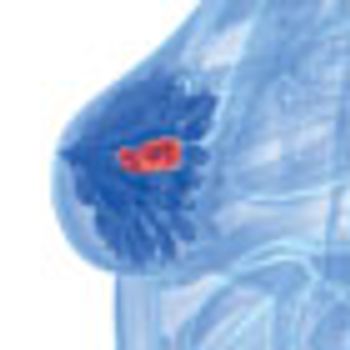
The FDA has expanded the approval of Lymphoseek (technetium Tc 99m tilmanocept) injection to include lymphatic mapping in solid tumors and sentinel lymph node (SLN) detection for breast cancer and melanoma

Advanced Cell Diagnostics, Inc. (ACD) and Cleveland Clinic were jointly awarded a 2-year, $1.4 million grant from the National Cancer Institute (NCI) to develop and validate a diagnostic test to identify B-cell non-Hodgkin lymphomas (NHLs) from benign lymphoproliferative diseases.

Pertuzumab and trastuzumab plus chemotherapy for the treatment of HER2-positive metastatic breast cancer improved median overall survival (OS) by 15.7 months over standard first-line therapy

Androgen receptor splice variant-7 (AR-V7) is a truncated form of the AR that does not have the ligand-binding domain. Detection of AR-V7 in circulating tumor cells (CTCs) can be used to predict resistance to AR-targeting agents, such as abiraterone or enzalutamide.

Infinity Pharmaceuticals has entered into two separate agreements with Roche and AbbVie to develop and commercialize duvelisib (IPI-145), an oral inhibitor of PI3K-delta and PI3K-gamma, for the treatment of patients with hematologic malignancies.

Last week, the FDA expanded the approval for enzalutamide (Xtandi) to include the treatment of men with chemotherapy-naive metastatic castration-resistant prostate cancer.