

An interim analysis of the COU-AA-302 trial investigating the use of abiraterone acetate (Zytiga) in chemotherapy-naïve patients with mCRPC showed a trend toward improvement in PFS and OS.
An interim analysis of the COU-AA-302 trial investigating the use of abiraterone acetate (Zytiga) in chemotherapy-naïve patients with mCRPC showed a trend toward improvement in PFS and OS.

Expression levels of thymidylate synthase may help point the way to new treatment options for patients with ALK-positive NSCLC, including combination therapy.
Erlotinib given as a maintenance therapy did not improve PFS or OS in patients with epithelial ovarian cancer who had received first-line platinum-based chemotherapy.

New study reveals that widespread molecular screening of non–small cell lung cancer is feasible and can be performed outside of large academic medical centers.

Research presented at ASCO 2012 examined the expanded use of sipuleucel-T, as well as methods to determine which patients might benefit the most from the therapy.

Tivozanib increased progression-free survival and objective response rate in patients with renal cell carcinoma compared with sorafenib.

The FDA approved carfilzomib for patients with multiple myeloma who have received at least two prior lines of therapy.

The FDA has approved everolimus for treating patients with hormone receptor-positive, HER2 negative breast cancer, when given in combination with the aromatase inhibitor exemestane.

While ovarian cancer survival rates have improved slightly since the 1970s, the overall five-year survival for patients diagnosed with the tumor type lags behind the average rate of all cancers.
The FDA has approved cetuximab in combination with the FOLFIRI regimen as a first-line treatment for patients with mCRC who express EGFR and wild-type KRAS mutations.
The phase III EXPAND trial of cetuximab in combination with standard chemotherapy for patients with advanced gastric adenocarcinoma failed to show a significant improvement in progression-free survival.

Three medical societies have joined in endorsing low-dose computed tomography screening for patients at high risk of developing lung cancer.

ODAC voted 11-0 in support of carfilzomib as a new treatment option for patients with multiple myeloma, despite side effect concerns raised by the FDA.

The results of several long-term clinical trials published last year clarify the role of combination ADT and RT in the treatment of men with prostate cancer.
JAK plays an important role in the formation and development of blood cells, and defects in the gene have been identified in myeloproliferative neoplasms.
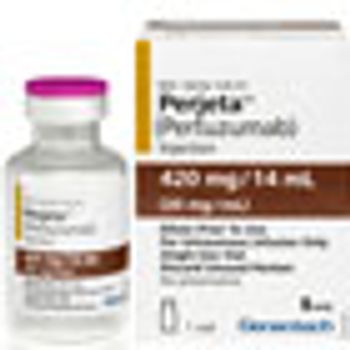
The FDA has approved pertuzumab combined with trastuzumab and docetaxel for patients who have not received prior treatment for HER2-positive metastatic breast cancer.

Trametinib and dabrafenib delayed disease progression and showed a trend toward improved survival in patients with advanced melanoma.

Bevacizumab plus chemotherapy as a second-line treatment for metastatic colorectal cancer improved survival among patients whose disease had progressed after first-line combination therapy with bevacizumab.

Adolescent and young adult patients between the ages of 16 and 30 had poorer outcomes when given the same treatment regimen as younger acute lymphoblastic leukemia patients.

On May 16, the ASCO highlighted the results of five ground-breaking studies in advance of its annual meeting held in Chicago from June 1-5, 2012.

The use of PET/CT scans in the detection of early recurrence in patients with squamous cell carcinoma of the head and neck remains an open question, despite recent research suggesting beneficial results.

CDX-011, a targeted therapy designed to treat patients with advanced breast cancer, appears to increase PFS in TNBC patients who have received multiple prior lines of therapy and express GPNMB.

The USPSTF has made a final recommendation against routine screening for prostate cancer in asymptomatic males through PSA testing.

Ipilimumab generates antitumor activity in some patients with advanced melanoma whose disease has metastasized to the brain without resulting in unexpected toxicities.

Celldex Therapeutics will present the interim results of a phase IIb study testing the efficacy of a new monoclonal antibody in patients with advanced breast cancer.

The prostate cancer drug abiraterone acetate is expected be provided for patients through England's publicly funded healthcare system after NICE reversed its initial recommendation.

A combination of the BRAF inhibitor dabrafenib and the MEK inhibitor trametinib has shown promising activity in patients with advanced melanoma.

The neoadjuvant administration of sipuleucel-T may stimulate an immune response in patients with localized prostate cancer without adversely affecting their surgeries.

A recap of our coverage from the Oncology Nursing Society 37th Annual Congress, in New Orleans, where thousands of oncology nurses gathered and shared valuable clinical insights.
Vemurafenib continues to demonstrate clinical response and overall survival benefits for patients with metastatic melanoma.