

Many older patients with stage III lung cancer who received radiation therapy fared no better than those who did not receive radiation therapy.
Many older patients with stage III lung cancer who received radiation therapy fared no better than those who did not receive radiation therapy.

While pertuzumab is moving ahead in the FDA approval process, an additional indication for denosumab might be halted.

Human errors can cause higher-than-expected medication error rates and delays in getting the proper chemotherapy doses to the patients who need them.

In order to design new treatments for prostate cancer and prolong the lives of patients with the disease, researchers are going to have to delve into the tumor microenvironment.

Human papillomavirus is perhaps best known as the main cause of cervical cancer, but if recent trends continue, by 2020 HPV will cause more cases of oropharyngeal cancer each year than cervical cancer.
The FDA granted regular approval for imatinib for treating patients after the surgical removal of KIT-positive GISTs.

The FDA has approved vismodegib for the treatment of patients with basal cell carcinoma.

The FDA approved axitinib for the treatment of patients with advanced RCC who have failed to respond to another drug.
Approximately 7% of Americans carry the human papillomavirus (HPV) in their oral cavities, and men are 3 times more likely to carry the virus than women.
Patients with ovarian cancer who express BRCA1/2 mutations demonstrated a better overall survival after 5 years.

The FDA has deemed subcutaneous injection as a safe and valid method of delivering the drug bortezomib in patients with multiple myeloma.

The molecular basis behind the relatively high incidence of secondary skin cancers after patients received vemurafenib has been discovered.
Two new studies suggest that dual inhibition of HER2 might serve as a better approach to treating patients with HER2-positive breast cancer.
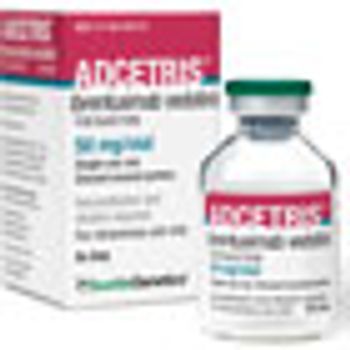
The FDA and Seattle Genetics announced that new warning labels would be issued for brentuximab vedotin.
Several advancements in research and drug approvals have changed the landscape of care for optimal treatment in patients with lymphoma, leukemia, and myeloma.

In an era when advances in chemoradiation and targeted therapies have revolutionized treatment in head and neck oncology patients, it's possible that treating physicians might not know where surgery fits into the regimen.

A statistical analysis led to the discovery of the first high-risk genetic mutation associated with hereditary prostate cancer.

NICE has issued a draft recommendation against Yervoy approval, stating it does not show benefits to justify its costs.

Cancer treatment addresses a patient's physical health but the mental state of the patient is something that might need more than an oncologist's expertise.

Awareness and treatment of oncofertility have been given a tremendous boost over the past 5 years by the Oncofertility Consortium.

Beth Baughman DuPree, MD, FACS, discussed the latest in breast cancer care at the 3rd Annual NCONN Conference.

Genetic markers are becoming a more integral part of diagnosing cancer and determining which patients will encounter more aggressive forms of their disease.

The investigational drug, tivozanib, showed improved rates of PFS in patients with advanced RCC than the already-approved sorafenib.

Middle-aged men taking a class of drugs called statins to reduce cholesterol levels were shown to have reduced the risk of mortality due to prostate cancer by approximately 50%, according to a new study...

Bevacizumab (Avastin) improved progression-free survival (PFS) in patients with ovarian cancer but was not shown to affect overall survival (OS), according to a new study...

The investigational compound cabozantinib (formerly known as XL184) has generated much excitement in recent years for its ability to target multiple pathways involved in the development of cancer.

Johnson and Johnson announced that they do not expect more Doxil (doxorubicin HCl liposome injection) to be available until sometime late in 2012...

As the incidence of head and neck cancers linked to the HPV continues to rise, a federal advisory panel has recommended that all 11- and 12-year-old boys be vaccinated against the virus.

Twelve-year results from a Canadian Cancer Society Research Institute study shows chemotherapy alone increases survival in patients with Hodgkin Lymphoma.

Study finds that peripheral blood stem cell (PBSC) transplants increase the incidence of graft-versus-host disease (GVHD).