

A high-risk CAR-HEMATOTOX score was associated with worse outcomes with obe-cel in relapsed/refractory B-ALL.

Chris Ryan joined OncLive in November 2021 as a senior editor and became the website's managing editor in October 2023. Before arriving at MJH Life Sciences, he spent nearly a decade covering professional and high school sports—including the New Jersey Devils and the NHL from 2016 to 2021—for The Star-Ledger and NJ.com. Email: [email protected]
A high-risk CAR-HEMATOTOX score was associated with worse outcomes with obe-cel in relapsed/refractory B-ALL.
The FDA approved brentuximab vedotin plus lenalidomide and rituximab for relapsed or refractory large B-cell lymphoma.
The FDA has approved mirdametinib for patients with neurofibromatosis type 1 who have symptomatic plexiform neurofibromas.

Health Canada has approved perioperative pembrolizumab for resectable non–small cell lung cancer.

Zilovertamab vedotin generated responses and was safe in heavily pretreated relapsed/refractory mantle cell lymphoma.

The FDA has granted fast track designation to amezalpat for patients with hepatocellular carcinoma.

The combination of cabozantinib and nivolumab showed 16-week disease control in microsatellite stable colorectal cancer.
The FDA has granted breakthrough device designation to Serial CTRS for risk prognosis in non–small cell lung cancer.

The FDA has granted orphan drug designation to 225Ac-satoreotide for patients with small cell lung cancer.
THIO plus cemiplimab generated a potential survival benefit in pretreated advanced non–small cell lung cancer.

The FDA accepted a BLA seeking the approval of the pertuzumab biosimilar HLX11 for HER2-positive breast cancer.

The FDA has approved a companion diagnostic for trastuzumab deruxtecan in hormone receptor–positive, HER2-ultralow metastatic breast cancer.

Walter J. Curran, MD, discusses the evolving use of radiotherapy in small cell cancer and data supporting its optimal use.

Kathleen Moore, MD, MD, FASCO, discusses the development of antibody-drug conjugates in ovarian cancer and how they could shift the field.

The EMA’s CHMP has recommended the approval of liso-cel for relapsed/refractory follicular lymphoma after at least 2 prior lines of therapy.

CARGO Therapeutics announced that it will discontinue the phase 2 FIRCE-1 trial evaluating firi-cel in relapsed/refractory large B-cell lymphoma.
The FDA has granted priority review to belzutifan for advanced pheochromocytoma and paraganglioma.

Encorafenib plus cetuximab and mFOLFOX6 improved responses in BRAF V600E–mutated metastatic colorectal cancer.

Neoadjuvant sintilimab plus chemoradiotherapy improved pCR rates in resectable, locally advanced esophageal squamous cell carcinoma.
The FDA approved treosulfan plus fludarabine for alloHSCT conditioning in acute myeloid leukemia or myelodysplastic syndrome.

Nivolumab plus chemotherapy demonstrated long-term survival benefits in advanced gastric, GEJ, or esophageal cancer in China.

The European Commission approved first-line amivantamab plus lazertinib for EGFR-mutated advanced non–small cell lung cancer.

Health Canada approved fruquintinib for select patients with metastatic colorectal cancer.

The development of LAVA-1207 for metastatic castration-resistant prostate cancer has been discontinued.
The FDA approved datopotamab deruxtecan for select unresectable or metastatic, hormone receptor–positive, HER2-negative breast cancer.

Limertinib was approved in China for locally advanced or metastatic non–small cell lung cancer harboring an EGFR T790M mutation.

Obe-cel generated durable remissions in patients with relapsed/refractory B-cell acute lymphoblastic leukemia treated during the FELIX trial.

The xT CDx assay is now available nationwide in the United States for use in solid tumor profiling.
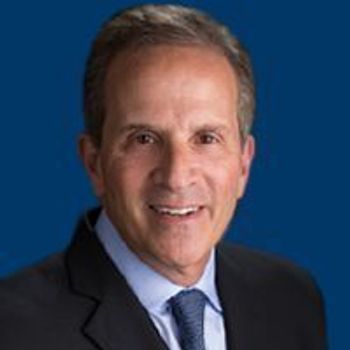
Neal Shore, MD, FACS, discusses implications of data for sasanlimab plus BCG in BCG-naive, high-risk non–muscle-invasive bladder cancer.

Treatment with synthetic hypericin for up to 12 months produced responses in early-stage cutaneous T-cell lymphoma.