
Georgina V. Long, BSc, PhD, MBBS, FRACP, discusses the findings from a subgroup analyses of the CheckMate-067 trial.
Georgina V. Long, BSc, PhD, MBBS, FRACP, discusses the findings from a subgroup analyses of the CheckMate-067 trial.
Adil Daud, MD, discusses the role of dabrafenib plus trametinib in patients with advanced melanoma and highlighted other combinations under investigation.
Nonalcoholic fatty liver disease, a risk factor linked to the development of hepatocellular carcinoma and increased mortality, is growing in clinical significance.
The standard of care for the frontline treatment of patients with hairy cell leukemia has been purine nucleoside analogs, including pentostatin and cladribine; however, investigators are challenging this treatment in a phase II clinical trial with a targeted therapy that may provide similar benefit with fewer toxicities.
Kerry Rogers, MD, discusses the potential of ibrutinib (Imbruvica) in hairy cell leukemia, emerging treatment options such as moxetumomab pasudotox (Lumoxiti), and next steps and challenges in the field.
Ezzat Elhassadi, MD, discusses the results from a 10-year institutional analysis and how the presence of a TP53 mutation can correlate with survival outcomes in patients with mantle cell lymphoma.
Hope S. Rugo, MD, discusses the latest advancements in the treatment landscape for patients with TNBC and highlights some data from clinical trials presented at the 2019 ESMO Congress.
Naoto Tada Ueno, MD, PhD, FACP, discusses the diagnosis and treatment of patients with inflammatory breast cancer and highlights the biggest challenges in both diagnosing and treating this patient population.
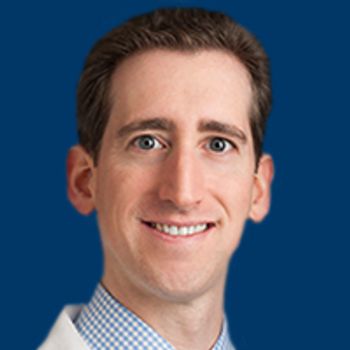
Jonathan B. Strauss, MD, MBA, discussed the role of hypofractionated radiotherapy in patients with breast cancer and offered advice on treatment selection.
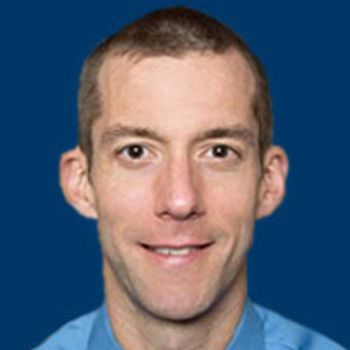
Michael J. Hall, MD, Fox Chase Cancer Center, discusses the emergence of PARP inhibition in the armamentarium for patients with pancreatic cancer.
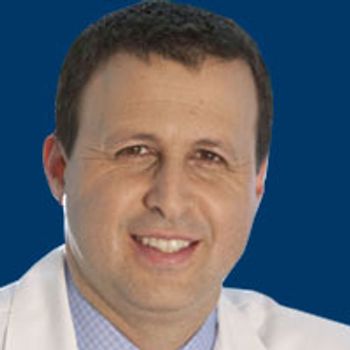
Richard S. Finn, MD, discusses results from the KEYNOTE-240 trial and explained how they are still clinically meaningful for patients with hepatocellular carcinoma.
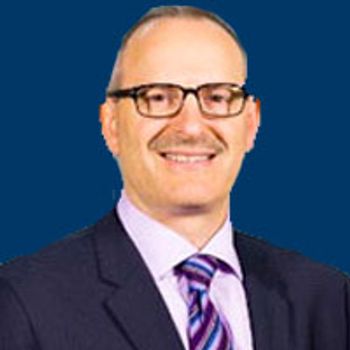
David Polsky, MD, PhD, discusses findings from an analysis in patients with BRAF-mutant, unresectable, metastatic melanoma, as well as the next steps for validating these findings and potentially using circulating tumor DNA to help inform treatment decisions.

Rory McCulloch, MD, discusses the results of a retrospective analysis looking at rituximab, bendamustine, and cytarabine in patients with mantle cell lymphoma who have relapsed on a BTK inhibitor.
Raajit K. Rampal, MD, PhD, discusses a retrospective analysis of pre-transplant samples from patients with myelofibrosis to determine the value of mutational profiling in predicting outcomes after transplant.
Banu Arun, MD, discusses how the role of genetic testing is evolving in breast cancer with the development of new targeted agents.

Myung-Ju Ahn, MD, discusses the results from the AURA LM trial and the next steps that need to be taken in order to confirm the efficacy that was seen with the lower dose of osimertinib in patients with EGFR-mutant non–small cell lung cancer with leptomeningeal metastases.
Jacqueline C. Barrientos, MD, MS, highlights emerging agents in the post-ibrutinib landscape and overall next steps for advancing the field of CLL.
Geoffrey Oxnard, MD, discusses testing error underlying liquid biopsy discordance, steps clinicians can take to optimize liquid biopsy, and where he sees this evolving in the treatment landscape for patients with cancer.

Nicolas Girad, MD, discusses the importance of evaluating durvalumab in a real-world setting, other questions that remain unanswered in this area, and the role of immunotherapy in patients with non–small cell lung cancer.
Antonio Passaro, MD, PhD, discusses findings from a phase IIIb trial for patients with EGFR mutation-positive non–small cell lung cancer and discussed results from other studies investigating ALK and KRAS mutations in patients with NSCLC.

Aditya Bardia, MD, MPH, discusses the potential role of circulating tumor cells and circulating tumor DNA testing in patients with breast cancer.
Quizartinib, a novel small molecule FLT3 inhibitor, is moving through the pipeline of new drugs under development for patients with FLT3-mutated acute myeloid leukemia, part of a menu of targeted treatment options that is expanding as investigators learn more about the molecular heterogeneity of the disease.

Thomas W. Flaig, MD, discusses the latest updates to the NCCN guidelines for the treatment of patients with muscle-invasive bladder cancer and highlights the latest approvals of checkpoint inhibitors in this patient population.
Emmanuel S. Antonarakis, MD, discusses the prevalence of mismatch repair and homologous recombination deficiency genes and how they may play a role in determining a patient’s treatment plan in addition to promising agents that have been introduced to the field in clinical trials.
William J. Gradishar, MD, discusses the latest updates in HER2-negative advanced breast cancer and the role of molecular assays in this space.
Sagar Lonial, MD, discusses some of the emerging agents for the treatment of patients with late relapse in multiple myeloma.
Elias Jabbour, MD, discusses the treatment options for patients with acute lymphoblastic leukemia across these various subgroups.
Jorge E. Cortes, MD, discusses the current treatment options for patients with acute myeloid leukemia, including the use of quizartinib in patients with FLT3 mutations, as well as data from the QuANTUM-R trial.

Christopher E. Dandoy, MD, MSc, discussed how higher levels of soluble suppression of tumorigenicity-2 and soluble terminal complement complex were associated with high-risk thrombotic microangiopathy, a severe complication related to stem cell transplantation.

Frederick L. Locke, MD, discusses the optimal management of chimeric antigen receptor T-cell therapy-related adverse events.