January 15, 2021 - A novel combination comprised of camrelizumab and apatinib was found to have promising clinical efficacy with an acceptable safety profile when used as a second-line treatment in patients with esophageal squamous cell carcinoma.
January 15, 2021 - A novel combination comprised of camrelizumab and apatinib was found to have promising clinical efficacy with an acceptable safety profile when used as a second-line treatment in patients with esophageal squamous cell carcinoma.

December 9, 2020 - Treatment with tamoxifen versus anastrozole did not yield any significant difference in terms of disease recurrence in postmenopausal women with locally excised ductal carcinoma in situ but understanding associated toxicities can inform care decisions.
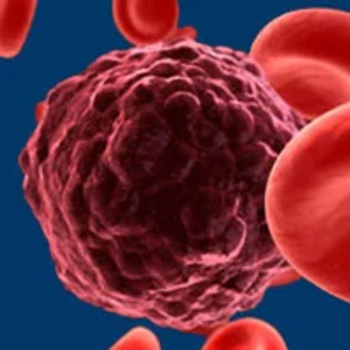
CPX-351, when given at higher doses in induction cycles 1 and 2, significantly prolonged hematologic recovery in younger patients with newly diagnosed high-risk or secondary acute myeloid leukemia.

December 8, 2020 - The combination of umbralisib plus ublituximab plus venetoclax demonstrated encouraging efficacy as treatment of patients with relapsed/refractory chronic lymphocytic leukemia, including those who are refractory to prior therapy with a Bruton tyrosine kinase inhibitor.
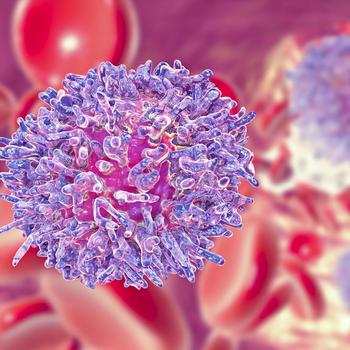
CC-92480, a novel oral cereblon E3 ligase modulator agent, plus dexamethasone demonstrated immunomodulatory activity across all dose levels examined in patients with relapsed/refractory multiple myeloma, according to data from the first portion of the ongoing phase 1 CC-92480-MM-001 trial presented during the 2020 ASH Annual Meeting & Exposition.
December 5, 2020 - The addition of navitoclax to ruxolitinib resulted in a clinically meaningful improvement in spleen volume and total symptom score in patients with myelofibrosis who no longer benefited from prior ruxolitinib therapy.
John O. Mascarenhas, MD, discusses how the positioning of JAK inhibitors in myelofibrosis has shifted, and also pointed to new agents under investigation.
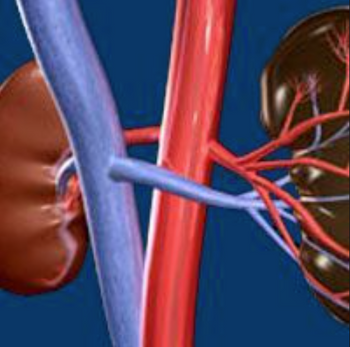
The first-line combination of lenvatinib and everolimus elicited clinical activity in patients with advanced non-clear cell renal cell carcinoma.
Alexandra S. Bercow, MD, discusses the implications of research showing that patients with advanced-stage cervical cancer who received palliative care consultations underwent the same level of treatment but had shorter, less acute, and fewer hospital stays than their counterparts who were not given such referrals.
David S. Hong, MD, discusses the burgeoning role of multitargeted therapeutics in patients with hematologic malignancies.

Anis Hamid, MBBS, discusses the analysis of genomic profiling from the phase III CHAARTED trial, and the burgeoning potential of precision medicine in metastatic hormone sensitive prostate cancer.
Corey S. Cutler, MD, MPH, discusses how physicians can optimize treatment management in patients with both acute and chronic graft-versus-host-disease.
A number of therapeutic options have become available in the frontline setting for patients with chronic lymphocytic leukemia, most recently the second-generation BTK inhibitor acalabrutinib.

Jae H. Park, MD, discusses the challenges in using CAR T-cell therapy in adult patients with acute lymphoblastic leukemia, and also highlights the potential role for off-the-shelf CAR T cells.

Stephen J. Schuster, MD, discusses promising findings and next steps for mosunetuzumab in patients with relapsed/refractory non-Hodgkin lymphoma.

Anthony D. Sung, MD, discusses the findings from the phase II trial of pasireotide as a method to prevent gastrointestinal toxicity and acute graft-versus-host-disease in patients who undergo allogeneic hematopoietic stem cell transplant.

David Miklos, MD, discusses the results from the ZUMA-2 trial evaluating KTE-X19 in patients with relapsed/refractory mantle cell lymphoma.

Sergio A. Giralt, MD, discusses the diagnostic challenges of transplant-associated thrombotic microangiopathy.
Aaron Gerds, MD, discusses data presented at the 2019 ASH Annual Meeting highlighting luspatercept as a treatment of anemia in patients with myelofibrosis.
Robert L. Coleman, MD, FACOG, FACS, discusses the role of rucaparib as a treatment option for patients with ovarian cancer, how this agent compares with other PARP inhibitors in this space, and where research is headed for these agents.
Three pivotal clinical trials evaluating PARP inhibitors have significantly impacted the treatment of patients with newly diagnosed ovarian cancer.
Floor J. Backes, MD, discusses the latest advancements made in the treatment of patients with ovarian cancer and the ongoing research efforts that are being made with novel combinations.
Simon Rule, MD, PhD, discusses pooled findings examining ibrutinib in patients with relapsed/refractory mantle cell lymphoma.
Ruben Mesa, MD, discusses findings from a pooled analysis of fedratinib at full dose in patients with myelofibrosis who had low platelet counts.
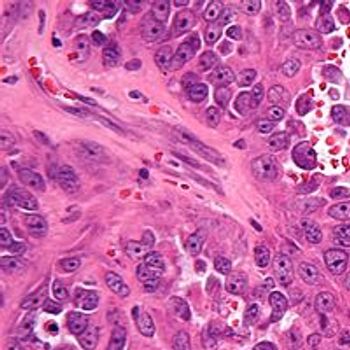
The FDA has granted a Regenerative Medicine Advanced Therapy designation to ADP-A2M4 (MAGE-A4) as a treatment for patients with synovial sarcoma.
The FDA has granted fast track designation to the potent reversible LSD1 inhibitor SP-2577 (seclidemstat) for the treatment of relapsed/refractory patients with Ewing sarcoma.
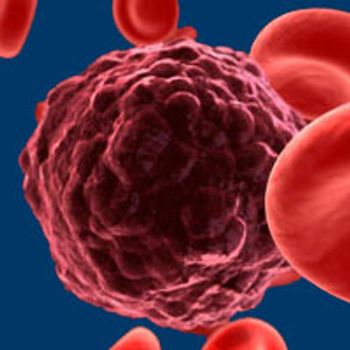
Induction therapy with R-CHOP followed by maintenance rituximab continued to show improvements in survival and responses compared with R-CHOP and interferon-alpha maintenance in older patients with mantle cell lymphoma.
Until strong findings emerged from the phase III PROfound study of PARP inhibitor olaparib (Lynparza) in patients with metastatic castration-resistant prostate cancer, targeted therapy had an uncertain foothold in this tumor type.
The proliferation of targeted therapies in non–small cell lung cancer has helped improve overall survival for patients with metastatic disease and illustrates the importance of molecular testing,

Ryan J. Sullivan, MD, discusses the rationale for BRAF/MEK combinations and immunotherapeutic combinations in melanoma and ongoing research examining triplet regimens.