Articles by David C. Fisher, MD
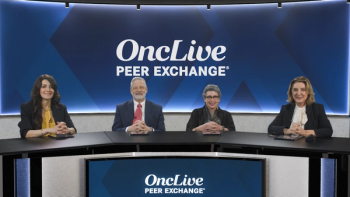
Panelists discuss how unmet needs in cutaneous T-cell lymphoma include the lack of a cure, the need for better biomarkers for early diagnosis and treatment response prediction; improving patients' quality of life by managing symptoms, such as itch; advancing understanding of disease biology to develop effective targeted therapies, such as cell therapy; and the importance of multidisciplinary care and clinical trial participation.
Panelists discuss how stem cell transplantation is considered primarily for younger patients or aggressive CTCL variants, balancing timing, remission status, and potential risks, while also emphasizing the value of early referral and specialized guidance for advanced disease.
Panelists discuss how decisions about reintroducing previous therapies for CTCL are based on prior tolerance, current disease state, and the reason for stopping treatment, with flexibility to recycle effective agents when appropriate.
Panelists discuss how to differentiate Mogamulizumab-associated rash from CTCL using clinical clues, biopsy findings, and molecular studies, and how treatment may be modified based on rash severity and characteristics.
Panelists discuss how to sequence and personalize therapy for Sézary syndrome, with mogamulizumab often used as first-line treatment due to potential for durable remission, followed by HDAC inhibitors, photopheresis, or alemtuzumab depending on disease progression and transplant planning.
Panelists discuss how to integrate skin-directed therapies with systemic treatments for CTCL, emphasizing individualized strategies based on disease compartment, cautious layering of treatments, management of bacterial colonization (especially Staphylococcus aureus), and use of adjunctive measures, such as bleach baths, for optimizing skin health.
Panelists discuss how to manage advanced-stage mycosis fungoides with nodal or visceral involvement by adapting treatments typically used for peripheral T-cell lymphoma, including single-agent chemotherapy and HDAC inhibitors, while accounting for long-term toxicities and unique dose considerations due to patient fragility and tumor biology.
Panelists discuss how individualized treatment plans must consider disease location, drug access, comorbidities, and newer therapies—such as HDAC inhibitors and immune checkpoint inhibitors— while emphasizing the importance of managing expectations and monitoring adverse effects.
Panelists discuss how treatment goals and selection for advanced-stage cutaneous T-cell lymphoma depend on disease compartmentalization, with therapies like brentuximab vedotin and mogamulizumab being used based on specific disease characteristics and toxicity profiles.
Panelists discuss how careful patient monitoring, education, and expectation management are essential in evaluating the effectiveness of skin-directed therapies, emphasizing routine assessments, treatment adherence, and the need for patience due to varying response times.
Panelists discuss how electron therapy—both spot and total skin electron beam—is used to manage extensive or refractory skin involvement and palliate symptoms in patients with CTCL.
Panelists discuss how multidisciplinary collaboration between dermatologists and oncologists helps optimize personalized treatment plans by integrating skin-directed and systemic therapies.
Panelists discuss how therapeutic goals for early-stage CTCL focus on symptom control with skin-directed therapies, avoiding systemic chemotherapy due to long-term toxicity and poor outcomes.
Panelists discuss how early-stage CTCL is defined using TNMB staging criteria, the typical presentation of patients at various stages, and the implications for treatment approaches.
Panelists discuss how CTCL is diagnosed, distinguished between mycosis fungoides and Sézary syndrome, and why early-stage disease is often misdiagnosed due to its resemblance to benign skin conditions.
David C. Fisher, MD, discusses pirtobrutinib resistance mechanisms that may develop during therapy in patients with CLL
David C. Fisher, MD, discusses treatment with bispecific antibodies and CAR T-cell therapy, respectively, for patients with cytokine release syndrome.
David C. Fisher, MD, discusses resistance mechanisms observed among patients with CLL who were previously treated with covalent BTK inhibitors.

