Articles by Dylann Cohn-Emery
BTX-1188, a first-in-class oral molecular glue, is undergoing investigation in phase 1 clinical trials in patients with solid tumors or acute myeloid leukemia, after preclinical trials supported its potential safety benefits in this population and demonstrated its high sensitivity in Myc-driven cancer cell lines.
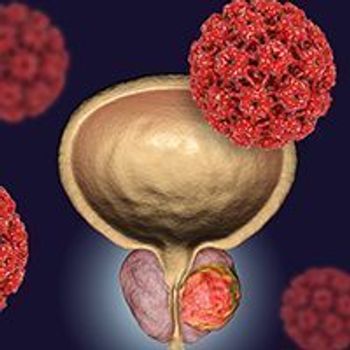
The combination of tislelizumab plus nab-paclitaxel demonstrated benefit and a tolerable safety profile in patients with high-risk non–muscle invasive bladder cancer.
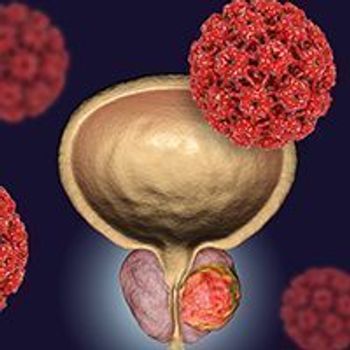
The combination of neoadjuvant tislelizumab and nab-paclitaxel elicited a high rate of pathologic complete response in patients with muscle-invasive bladder cancer, according to preliminary findings from the phase 2 TRUCE-01 trial.
The combination of JSP191, fludarabine, and low-dose total body irradiation demonstrated facilitation of full donor myeloid chimerism, clearance of minimal residual disease, and a tolerable safety profile in patients with myelodysplastic syndrome or acute myeloid leukemia.
The addition of SOT101, an interleukin-2/IL-15 Rβγ superagonist, to Pembrolizumab generated a clinical benefit and encouraging safety data in patients with advanced solid tumors.

The combination of nivolumab plus cabozantinib elicited a continued survival benefit compared with sunitinib in patients with untreated clear cell metastatic or advanced renal cell carcinoma.

The combination of pembrolizumab plus best supportive care elicited improved overall survival and overall response rates as second-line therapy in patients from Asia with advanced hepatocellular carcinoma.

Acalabrutinib demonstrated a lower incidence of cardiovascular-related toxicities and a lower overall toxicity burden compared with ibrutinib in patients with chronic lymphocytic leukemia.
The combinations of venetoclax plus acalabrutinib or obinutuzumab will be evaluated in the phase 3 MAJIC trial.

Pathologic complete response and event-free survival was not found to be significantly affected by race among patients with high-risk breast cancer who received neoadjuvant chemotherapy; however, disparities were observed among patients who did not achieve a pCR.
Nivolumab and cabozantinib demonstrated significant benefits in progression-free survival and objective response rate for patients with renal cell carcinoma regardless of whether they had a prior nephrectomy.

Treating patients with accelerated phase myeloproliferative neoplasm is an ongoing therapeutic challenge, due to the lack of standard treatment approaches, according to an expert.

Future treatment approaches for patients with polycythemia vera (PV) should center around adapting therapy using the available criteria, and eventually finding new targets.
The median progression-free survival benefit experienced by patients with metastatic breast cancer who were HER2 positive at initial diagnosis and who were receiving standard HER2-directed therapies proved to be more favorable than what was reported in those who were HER2 negative and switched to HER2 positive status.

The optimal sequence of therapies in the second- or later-line settings for patients with hepatocellular carcinoma remains unclear.

The combination of adagrasib and cetuximab is being investigated in patients with previously treated, advanced, KRAS G12C–mutant colorectal cancer in the international, phase 3 KRYSTAL-10 study.

Pertuzumab plus trastuzumab, and nab-paclitaxel used as neoadjuvant therapy in patients with HER2-positive locally advanced breast cancer induced a pathologic complete response similar to that achieved with docetaxel, carboplatin, trastuzumab, and pertuzumab, with less treatment-related toxicities.

Pralsetinib demonstrated robust and durable anti-tumor activity, as well as a tolerable safety profile, in heavily pretreated patients with multiple RET fusion–positive advanced solid tumors.
CLN-081 demonstrated promising preliminary antitumor activity and an acceptable safety profile across all doses tested in patients with previously treated non–small cell lung cancer (NSCLC) harboring EGFR exon 20 insertion mutations.

Maintenance olaparib showcased progression-free survival benefit in almost half of the patients with ovarian cancer vs 21% of those who received placebo, including consistent benefit in high- and low-risk patients.

February 12, 2021 - Tivozanib led to a significantly greater quality-adjusted time without symptoms of disease and toxicity as third- or fourth-line therapy versus sorafenib in patients with metastatic renal cell carcinoma.

February 2, 2021 — Larotrectinib was found to elicit high response rates, durable responses, and to extend survival benefit in patients with advanced lung cancer whose tumors harbor an NTRK gene fusion, including those with central nervous system metastases.
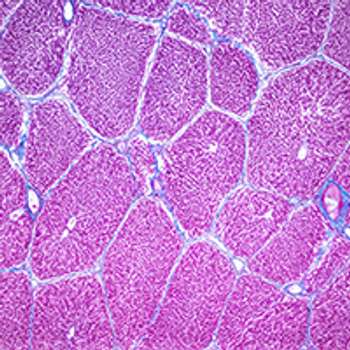
January 16, 2021 - Lenvatinib monotherapy was found to be effective in patients with unresectable hepatocellular carcinoma in the United States.
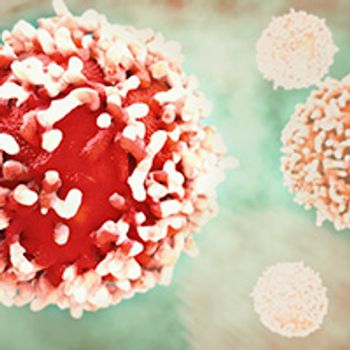
December 10, 2020 - Favorable outcomes after treatment with the HER2-directed lapatinib were indicated by early declines in circulating tumor cell counts in patients with metastatic breast cancer who initially had HER2-negative primary tumors but positive HER2 CTCs.
December 7, 2020 — Findings from the MEDALIST trial demonstrated encouraging clinical efficacy, as well as a tolerable safety profile, with luspatercept among patients with myelodysplastic syndrome and myeloproliferative neoplasms with ring sideroblasts and thrombocytosis.

Ciltacabtagene autoleucel was found to elicit clinically meaningful improvements in health-related quality of life in patients with relapsed/refractory multiple myeloma, and this benefit may become even more pronounced as responses to treatment deepen over time, according to data from the CARTITUDE-1 study presented during the 2020 ASH Annual Meeting & Exposition.

December 5, 2020 - The addition of belantamab mafodotin to bortezomib and dexamethasone elicited high response rates and a suitable safety profile in patients with relapsed or refractory multiple myeloma.
The anti-inducible T-cell co-stimulator monoclonal antibody MEDI-570 showed clinical activity with durable responses, as well as acceptable safety and tolerability in patients with relapsed/refractory angioimmunoblastic T-cell lymphoma and peripheral T-cell lymphoma.

A modified dosing schedule of frontline nivolumab (Opdivo) and ipilimumab (Yervoy) compared with the standard dose showed no differences in responses or safety in patients with advanced renal cell carcinoma, according to results of the CheckMate-920 trial.

Findings from a preplanned analysis of the phase 4 CARD study demonstrated superior patient-reported outcomes with cabazitaxel in men with castration-resistant prostate cancer who received prior docetaxel and androgen receptor targeted therapy versus alternative AR-targeted treatment options.
