Gail J. Roboz, MD, Weill Cornell Medical Center
Articles by Gail J. Roboz, MD, Weill Cornell Medical Center
Unmet Needs in High-Risk MDS
ByGail J. Roboz, MD, Weill Cornell Medical Center,Amy DeZern, MD, MHS,James M. Foran, MD,Rami Komrokji, MD,Azra Raza, MD, Columbia University Medical Center The panel of experts highlight promising clinical trials for the treatment of myelodysplastic syndrome.

Promising Data for Pevonedistat in High-Risk MDS
ByGail J. Roboz, MD, Weill Cornell Medical Center,Amy DeZern, MD, MHS,James M. Foran, MD,Rami Komrokji, MD,Azra Raza, MD, Columbia University Medical Center Amy DeZern, MD, MHS leads a discussion surrounding the mechanism of action and clinical trial data on the use of magrolimab and pevonedistat in patients with high-risk myelodysplastic syndrome.
Emerging Role of Venetoclax in the Treatment of MDS
ByGail J. Roboz, MD, Weill Cornell Medical Center,Amy DeZern, MD, MHS,James M. Foran, MD,Rami Komrokji, MD,Azra Raza, MD, Columbia University Medical Center Rami Komrokji, MD and Gail Roboz, MD, discuss treatment considerations and clinical trial data surrounding the use of venetoclax in patients with myelodysplastic syndrome or acute myeloid leukemia.

Treatment in Older Patients with High-Risk MDS
ByGail J. Roboz, MD, Weill Cornell Medical Center,Amy DeZern, MD, MHS,James M. Foran, MD,Rami Komrokji, MD,Azra Raza, MD, Columbia University Medical Center Azra Raza, MD, discusses considerations for use of hypomethylating agents in older patients with high-risk myelodysplastic syndrome.
Role of Transplant in MDS
ByGail J. Roboz, MD, Weill Cornell Medical Center,Amy DeZern, MD, MHS,James M. Foran, MD,Rami Komrokji, MD,Azra Raza, MD, Columbia University Medical Center The panel of experts comment on the role of transplant in patients with myelodysplastic syndrome.
HMAs in High-Risk MDS
ByGail J. Roboz, MD, Weill Cornell Medical Center,Amy DeZern, MD, MHS,James M. Foran, MD,Rami Komrokji, MD,Azra Raza, MD, Columbia University Medical Center The panel of experts comment on the optimal timing of hypomethylating agents and transplant in patients with high-risk myelodysplastic syndrome.
Use of HMAs for the Treatment of MDS
ByGail J. Roboz, MD, Weill Cornell Medical Center,Amy DeZern, MD, MHS,James M. Foran, MD,Rami Komrokji, MD,Azra Raza, MD, Columbia University Medical Center The panel of experts highlight the risk factors and considerations for use of hypomethylating agents in patients with myelodysplastic syndrome versus acute myeloid leukemia.

Treatment of Transfusion Dependent MDS
ByGail J. Roboz, MD, Weill Cornell Medical Center,Amy DeZern, MD, MHS,James M. Foran, MD,Rami Komrokji, MD,Azra Raza, MD, Columbia University Medical Center The panel of experts reflect on the use of lenalidomide in patients with myelodysplastic syndrome who are transfusion dependent.

Luspatercept: An Erythroid Maturation Agent in MDS
ByGail J. Roboz, MD, Weill Cornell Medical Center,Amy DeZern, MD, MHS,James M. Foran, MD,Rami Komrokji, MD,Azra Raza, MD, Columbia University Medical Center Rami Komrokji, MD discusses the recent approval and FDA indication for the use of the erythroid maturation agent luspatercept.
ESA Use in the Treatment of MDS
ByGail J. Roboz, MD, Weill Cornell Medical Center,Amy DeZern, MD, MHS,James M. Foran, MD,Rami Komrokji, MD,Azra Raza, MD, Columbia University Medical Center The panel of experts discusses considerations necessary when recommending treatment with erythropoiesis-stimulating agents in patients with myelodysplastic syndrome.
Guidelines for the Treatment of MDS
ByGail J. Roboz, MD, Weill Cornell Medical Center,Amy DeZern, MD, MHS,James M. Foran, MD,Rami Komrokji, MD,Azra Raza, MD, Columbia University Medical Center Rami Komrokji, MD, discusses his approach to treatment in patients with myelodysplastic syndrome, while being mindful of recommended guidelines.
Individualized Treatment for MDS
ByGail J. Roboz, MD, Weill Cornell Medical Center,Amy DeZern, MD, MHS,James M. Foran, MD,Rami Komrokji, MD,Azra Raza, MD, Columbia University Medical Center The panel of leukemia experts highlight the importance of individualized treatments for patients with myelodysplastic syndrome.

Staging Models in Diagnosis and Risk Assessment of MDS
ByGail J. Roboz, MD, Weill Cornell Medical Center,Amy DeZern, MD, MHS,James M. Foran, MD,Rami Komrokji, MD,Azra Raza, MD, Columbia University Medical Center Rami Komrokji, MD, and Gail Roboz, MD, discuss the importance of staging models in the diagnosis and routine assessment of patients with myelodysplastic syndrome.
The Impact of Mutational Status on Treatment Considerations for MDS
ByGail J. Roboz, MD, Weill Cornell Medical Center,Amy DeZern, MD, MHS,James M. Foran, MD,Rami Komrokji, MD,Azra Raza, MD, Columbia University Medical Center James Foran, MD; Azra Raza, MD; and Gail Roboz, MD, discuss how mutation status in myelodysplastic syndrome may impact treatment considerations.
Clinical Considerations in the Diagnosis of Patients with MDS
ByGail J. Roboz, MD, Weill Cornell Medical Center,Amy DeZern, MD, MHS,James M. Foran, MD,Rami Komrokji, MD,Azra Raza, MD, Columbia University Medical Center Rami Komrokji, MD, of the H. Lee Moffitt Cancer Center & Research Institute, discusses the importance of examining a patient’s complete blood count, nutritional status and bone marrow when considering a diagnosis of myelodysplastic syndrome.
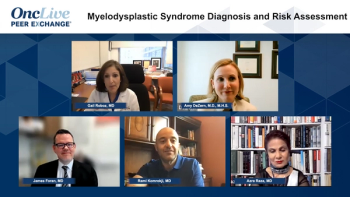
Myelodysplastic Syndrome Diagnosis and Risk Assessment
ByGail J. Roboz, MD, Weill Cornell Medical Center,Amy DeZern, MD, MHS,James M. Foran, MD,Rami Komrokji, MD,Azra Raza, MD, Columbia University Medical Center Gail Roboz, MD; Azra Raza, MD; and Amy DeZern, MD, MHS, discuss the clinical considerations and risk assessments inherent to a diagnosis of myelodysplastic syndrome.
Progress in the Treatment of AML
ByHarry P. Erba, MD, PhD, Duke University School of Medicine,Amir Fathi, MD, Massachusetts General Hospital,Mark J. Levis, MD, PhD, Johns Hopkins University,Gail J. Roboz, MD, Weill Cornell Medical Center,Daniel Pollyea, MD, MS, University of Colorado Denver 
Implications for Treating AML With CC-486
ByHarry P. Erba, MD, PhD, Duke University School of Medicine,Amir Fathi, MD, Massachusetts General Hospital,Mark J. Levis, MD, PhD, Johns Hopkins University,Gail J. Roboz, MD, Weill Cornell Medical Center,Daniel Pollyea, MD, MS, University of Colorado Denver 
CC-486 Maintenance Therapy in AML
ByHarry P. Erba, MD, PhD, Duke University School of Medicine,Amir Fathi, MD, Massachusetts General Hospital,Mark J. Levis, MD, PhD, Johns Hopkins University,Gail J. Roboz, MD, Weill Cornell Medical Center,Daniel Pollyea, MD, MS, University of Colorado Denver 
Gemtuzumab for AML
ByHarry P. Erba, MD, PhD, Duke University School of Medicine,Amir Fathi, MD, Massachusetts General Hospital,Mark J. Levis, MD, PhD, Johns Hopkins University,Gail J. Roboz, MD, Weill Cornell Medical Center,Daniel Pollyea, MD, MS, University of Colorado Denver 
CPX-351 in Newly Diagnosed Secondary AML
ByHarry P. Erba, MD, PhD, Duke University School of Medicine,Amir Fathi, MD, Massachusetts General Hospital,Mark J. Levis, MD, PhD, Johns Hopkins University,Gail J. Roboz, MD, Weill Cornell Medical Center,Daniel Pollyea, MD, MS, University of Colorado Denver 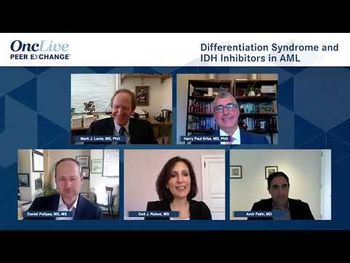
Differentiation Syndrome and IDH Inhibitors in AML
ByHarry P. Erba, MD, PhD, Duke University School of Medicine,Amir Fathi, MD, Massachusetts General Hospital,Mark J. Levis, MD, PhD, Johns Hopkins University,Gail J. Roboz, MD, Weill Cornell Medical Center,Daniel Pollyea, MD, MS, University of Colorado Denver 
IDH Inhibitors and MDS
ByHarry P. Erba, MD, PhD, Duke University School of Medicine,Amir Fathi, MD, Massachusetts General Hospital,Mark J. Levis, MD, PhD, Johns Hopkins University,Gail J. Roboz, MD, Weill Cornell Medical Center,Daniel Pollyea, MD, MS, University of Colorado Denver 
IDH1/2 Inhibitors for AML
ByHarry P. Erba, MD, PhD, Duke University School of Medicine,Amir Fathi, MD, Massachusetts General Hospital,Mark J. Levis, MD, PhD, Johns Hopkins University,Gail J. Roboz, MD, Weill Cornell Medical Center,Daniel Pollyea, MD, MS, University of Colorado Denver 
IDH Mutations in AML
ByHarry P. Erba, MD, PhD, Duke University School of Medicine,Amir Fathi, MD, Massachusetts General Hospital,Mark J. Levis, MD, PhD, Johns Hopkins University,Gail J. Roboz, MD, Weill Cornell Medical Center,Daniel Pollyea, MD, MS, University of Colorado Denver 
FLT3 Triplet Regimens for AML
ByHarry P. Erba, MD, PhD, Duke University School of Medicine,Amir Fathi, MD, Massachusetts General Hospital,Mark J. Levis, MD, PhD, Johns Hopkins University,Gail J. Roboz, MD, Weill Cornell Medical Center,Daniel Pollyea, MD, MS, University of Colorado Denver 
Monitoring Response to Venetoclax Regimens in AML
ByHarry P. Erba, MD, PhD, Duke University School of Medicine,Amir Fathi, MD, Massachusetts General Hospital,Mark J. Levis, MD, PhD, Johns Hopkins University,Gail J. Roboz, MD, Weill Cornell Medical Center,Daniel Pollyea, MD, MS, University of Colorado Denver 
Venetoclax in AML: Safety Profile
ByHarry P. Erba, MD, PhD, Duke University School of Medicine,Amir Fathi, MD, Massachusetts General Hospital,Mark J. Levis, MD, PhD, Johns Hopkins University,Gail J. Roboz, MD, Weill Cornell Medical Center,Daniel Pollyea, MD, MS, University of Colorado Denver 
Optimal Use of Venetoclax in AML
ByHarry P. Erba, MD, PhD, Duke University School of Medicine,Amir Fathi, MD, Massachusetts General Hospital,Mark J. Levis, MD, PhD, Johns Hopkins University,Gail J. Roboz, MD, Weill Cornell Medical Center,Daniel Pollyea, MD, MS, University of Colorado Denver 
VIALE Studies in AML
ByHarry P. Erba, MD, PhD, Duke University School of Medicine,Amir Fathi, MD, Massachusetts General Hospital,Mark J. Levis, MD, PhD, Johns Hopkins University,Gail J. Roboz, MD, Weill Cornell Medical Center,Daniel Pollyea, MD, MS, University of Colorado Denver