
Peter Voorhees, MD, discusses treatments for both newly diagnosed and relapsed patients with multiple myeloma.
Peter Voorhees, MD, discusses treatments for both newly diagnosed and relapsed patients with multiple myeloma.
Saad Z. Usmani, MD, discusses recent multiple myeloma data, the potential role of CAR T-cell therapy, and what therapeutic advancements the community can expect in the remainder of 2017.
Kendra Sweet, MD, discusses the various factors that must be taken into account when prescribing first-line therapies to patients with CML, novel studies, and TKI discontinuation.
Rachid Baz, MD, discusses the change in risk factors for select treatments, the impact of daratumumab, and current sequencing questions in multiple myeloma.
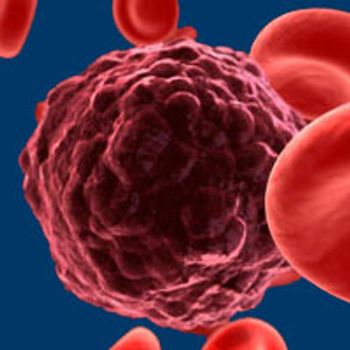
Julio Chavez, MD, discusses the current state of CLL and emerging regimens moving through the pipeline.
Reed Friend, MD, discusses the revised steps in diagnosing patients with multiple myeloma and prognostic factors, as well as existing challenges and hopes for the field’s future.
Rami Komrokji, MD, shares his insight on the various types of MPNs, how these diseases can be diagnosed and managed, and the next steps needed to improve patient outcomes.
Mohamed Kharfan-Dabaja, MD, discusses the future of PNH treatment, the various symptoms that can present in PNH, and the challenges that still remain for further improving outcomes.
Shane A. Meehan, MD, discusses the continued importance of IHC testing in melanoma, even with the emergence of novel molecular assays.
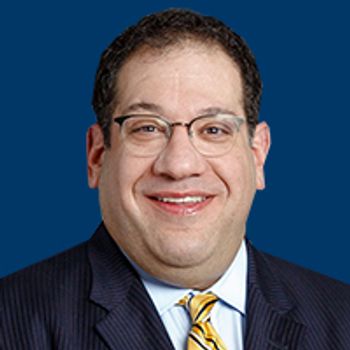
Russell Berman, MD, discusses ongoing surgical advances in the treatment of melanoma.
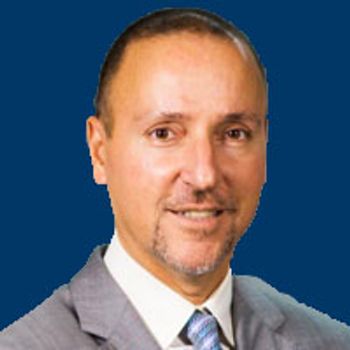
Douglas Kondziolka, MD, provides insight on some of the technical advancements in treating brain metastases in patients with melanoma.
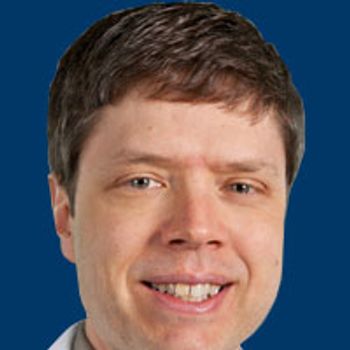
Jeffrey E. Lancet, MD, discusses new discoveries in the treatment of AML and challenges that remain in improving patient outcomes.
Kenneth H. Shain, MD, discusses the emergence of proteasome inhibitors in multiple myeloma and whether these agents will be best used as monotherapy or in combination regimens.
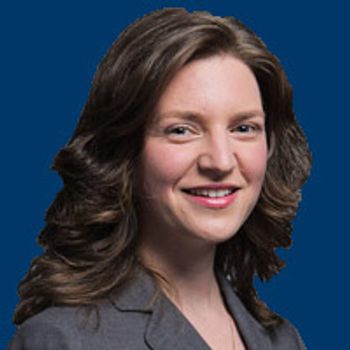
Jennifer A. Stein, MD, PhD, discusses the skin-related adverse events for patients on treatment for melanoma, as well as the importance of identifying new primary melanomas.
Thomas Kipps, MD, PhD, discusses the details of the integrated analysis from the iwCLL meeting, his ongoing research with ROR1 as a target in chronic lymphocytic leukemia, and pivotal combination studies being conducted with ibrutinib.
Jeffrey S. Weber, MD, PhD, discusses both pivotal studies for dabrafenib/trametinib in patients with melanoma and any unanswered questions that remain after the extensive 5-year follow-up.
Pierre Massion, MD, on the necessity of having more people undergo lung cancer screening, ongoing clinical trials emphasizing the importance of early detection, and how to determine who is at highest risk for lung cancer.

Rachel Dibble, NP, discusses the importance of palliative care at the start of diagnosis for patients with non-small cell lung cancer and explained its differences from end-of-life care.
Melissa Johnson, MD, discusses the impact of immunotherapy for patients with non-small cell lung cancer—those with both high and low levels of PD-L1 expression—and how the treatment and the role of PD-L1 will continue to progress in the coming years.
Leora Horn, MD, MSc, discusses the utility of blood-based biomarkers, how they have transformed treatment approaches for patients with non-small cell lung cancer, and the ongoing work currently being done with them.
Melissa A. Wilson, MD, PhD, discussed the promising results with BRAF/MEK inhibitor combinations in melanoma and what ongoing studies have the potential to alter the landscape again.
Brian Rini, MD, discusses additional adjuvant trials that have perplexed the field, what potential immunotherapy could have in this setting, and other obstacles to tackle in the renal cell carcinoma landscape.
Jia Ruan, MD, PhD, discusses some of the ongoing work in the field of T-cell lymphoma and the unanswered questions investigators are still facing for these patients
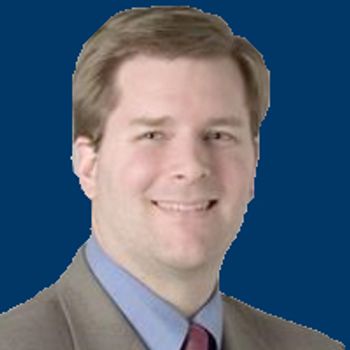
Andrew Stephenson, MD, discusses some of the past and current data demonstrating the benefits of active surveillance for patients with localized prostate cancer and the evolving opinions on PSA screening.
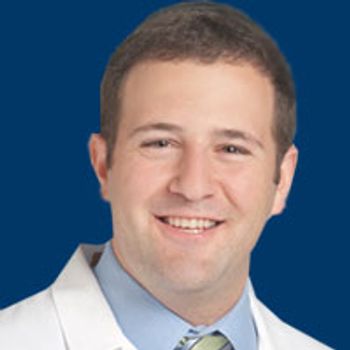
Moshe Ornstein, MD, discusses the obstacles physicians are facing with the use of immunotherapy for patients with renal cell carcinoma.
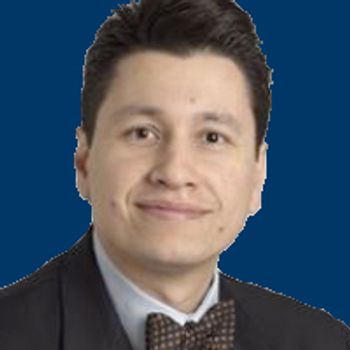
Jorge Garcia, MD, discusses how the field of bladder cancer has transformed with the FDA approval of pembrolizumab, and how oncologists should choose between 5 checkpoint inhibitors now available for the second-line setting and beyond.
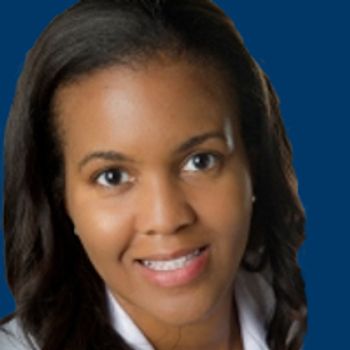
Adrienne A. Phillips, MD, discussed the subtypes of adult T-cell lymphoma/leukemia, the challenges with treating them, and what community oncologists need to know about these patient populations.
Lisa G. Roth, MD, discusses the challenges of treating adolescent and young adult patients with Hodgkin lymphoma and the benefits of having a multidisciplinary approach with this population.
Tsiporah B. Shore, MD, discusses some of these newer advancements related to stem cell transplantation and the challenges with including patients in ethnic populations.
Bijal D. Shah, MD, discusses the current treatment paradigm of MCL, what therapies are moving through the pipeline at a rapid rate, the potential benefit with CAR T-cell therapy, and pivotal biomarker studies currently being conducted.